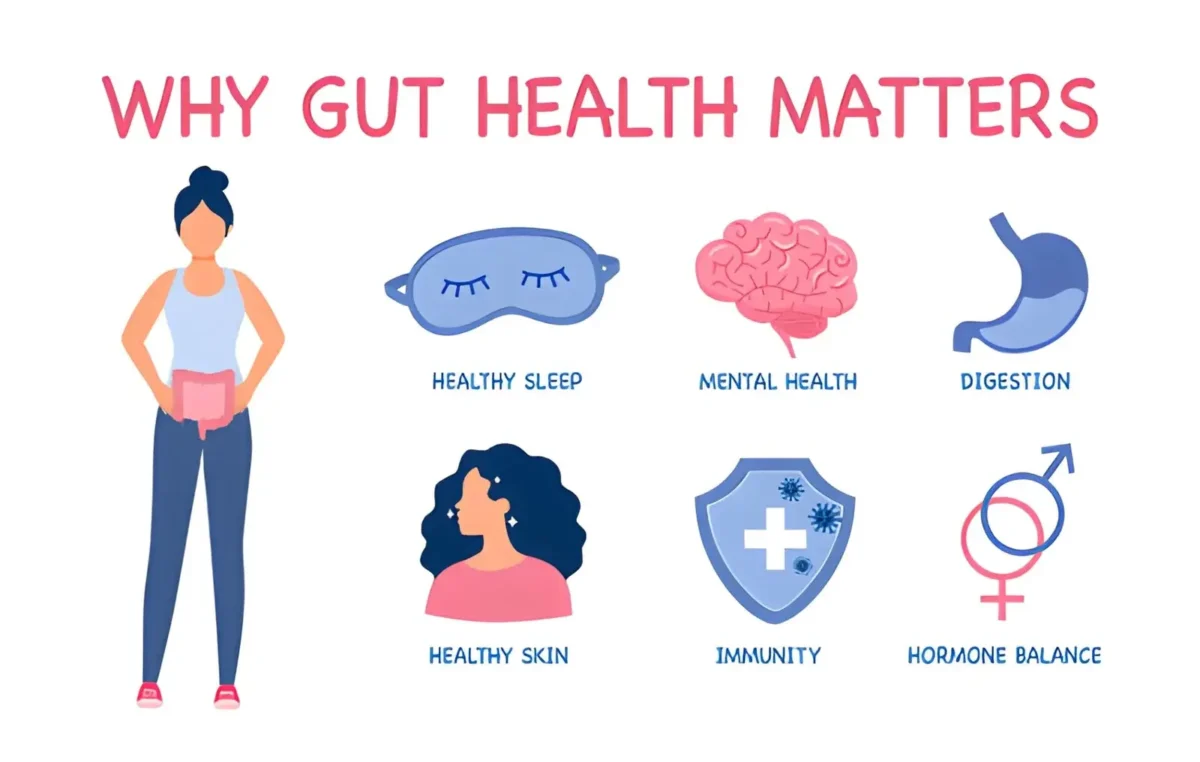

Digestive symptoms can be frustrating because many of them look remarkably similar on the surface. Bloating, abdominal discomfort, constipation, diarrhea, nausea, and changes in appetite can have dozens of possible explanations. Some problems are temporary and related to food or illness, while others involve chronic digestive conditions that require medical management. Understanding the major categories of gut issues can make it easier to recognize patterns and know when symptoms deserve a closer look.
Microbiome Imbalances and Digestion
The digestive tract contains trillions of microorganisms collectively known as the gut microbiome. These organisms play an important role in breaking down certain foods, producing useful compounds, and supporting normal digestive function. Diet, medications, illness, age, and other factors can all influence the balance and diversity of this microbial community.
For people looking to support their microbiome, gut health products can provide convenient ways to incorporate probiotics, prebiotics, fiber, and other targeted ingredients into a broader digestive wellness routine. Different products are designed to support different aspects of gut health, so it is worth considering the specific strains, ingredients, dosages, and intended uses when choosing an option.
Nutrition also plays a major role in supporting a healthy gut microbiome. A varied diet rich in vegetables, fruits, beans, whole grains, and other fiber-containing foods can help nourish beneficial gut microbes. Combined with thoughtfully selected supplements when appropriate, these dietary habits can form a well-rounded approach to supporting digestion and overall gut health.
IBS and Functional Disorders
Irritable bowel syndrome, commonly called IBS, can cause abdominal pain along with changes in bowel habits. Some people primarily experience constipation, others have diarrhea, and some alternate between the two. Bloating and a feeling of incomplete bowel movements can occur as well.
IBS is considered a disorder of gut-brain interaction. This means symptoms can arise from changes in how the digestive system and brain communicate, even when routine testing does not reveal visible structural damage in the digestive tract.
Food can influence symptoms, but there is no universal IBS diet. Some people identify particular foods that consistently cause trouble. Others may benefit from approaches such as a low-FODMAP diet under professional guidance. Fiber intake, exercise, sleep, medications, and stress management may also play roles in treatment.
Functional dyspepsia is another gut-brain interaction disorder. It tends to affect the upper digestive system and may cause early fullness, discomfort after eating, burning, or pain in the upper abdomen.
Reflux and Upper Digestive Problems
Gastroesophageal reflux disease, or GERD, develops when stomach contents repeatedly move upward into the esophagus. Heartburn is a familiar symptom, but reflux can also cause regurgitation, chest discomfort, coughing, or throat symptoms in some people.
Eating patterns can influence reflux. Large meals, lying down soon after eating, alcohol, and certain trigger foods may worsen symptoms for some people. Treatment can include lifestyle changes and medications that reduce stomach acid, depending on symptom frequency and severity.
Other upper gastrointestinal conditions include gastritis and peptic ulcers. Gastritis involves inflammation of the stomach lining, while ulcers are open sores that can develop in the stomach or upper portion of the small intestine. Helicobacter pylori infection and regular use of certain anti-inflammatory medications are among the recognized causes of peptic ulcers.
Persistent upper abdominal pain, recurrent vomiting, difficulty swallowing, gastrointestinal bleeding, or unexplained weight loss warrants medical evaluation rather than repeated attempts at self-treatment.
The Gut-Brain Connection
Digestive function does not operate independently from the rest of the body. The gastrointestinal tract communicates extensively with the brain through neural, hormonal, and immune pathways. The enteric nervous system, sometimes informally described as the gut’s own nervous system, helps regulate digestion locally.
Communication between the digestive tract and your nervous system can help explain why emotional stress sometimes produces very physical digestive symptoms. Stress may alter intestinal movement, increase sensitivity to sensations in the digestive tract, or change how strongly someone perceives discomfort.
This connection does not mean digestive symptoms are imaginary or simply caused by worrying. Gut-brain interaction is a genuine biological process. For people with certain functional gastrointestinal disorders, treatment may therefore involve several approaches, including dietary changes, medications, behavioral therapies, sleep improvement, and stress management.
Inflammatory and Other Conditions
Some digestive problems involve inflammation or other identifiable disease processes. Inflammatory bowel disease, or IBD, includes Crohn’s disease and ulcerative colitis. Although the names sound similar, IBD and IBS are different conditions. IBD involves chronic inflammation and can damage the gastrointestinal tract.
Celiac disease is another distinct condition. In people with celiac disease, consuming gluten triggers an immune response that damages the small intestine. Treatment requires a strict gluten-free diet, making an accurate diagnosis important before eliminating gluten long term.
Food intolerances can also produce digestive symptoms without involving the same immune process. Lactose intolerance, for example, occurs when the body does not produce enough lactase to digest lactose effectively.
Because so many gut issues share symptoms, persistent problems should not be diagnosed based on bloating or bowel changes alone. Understanding the possibilities is useful, but identifying the actual cause is what allows treatment to become targeted rather than a cycle of guesswork.
Also read
- Life Fitness: Revolutionizing Wellness and Exercise Solutions
- Creating the most exciting trip of your life
- Comprehensive Guide to In Home Nursing Services






Leave a Comment