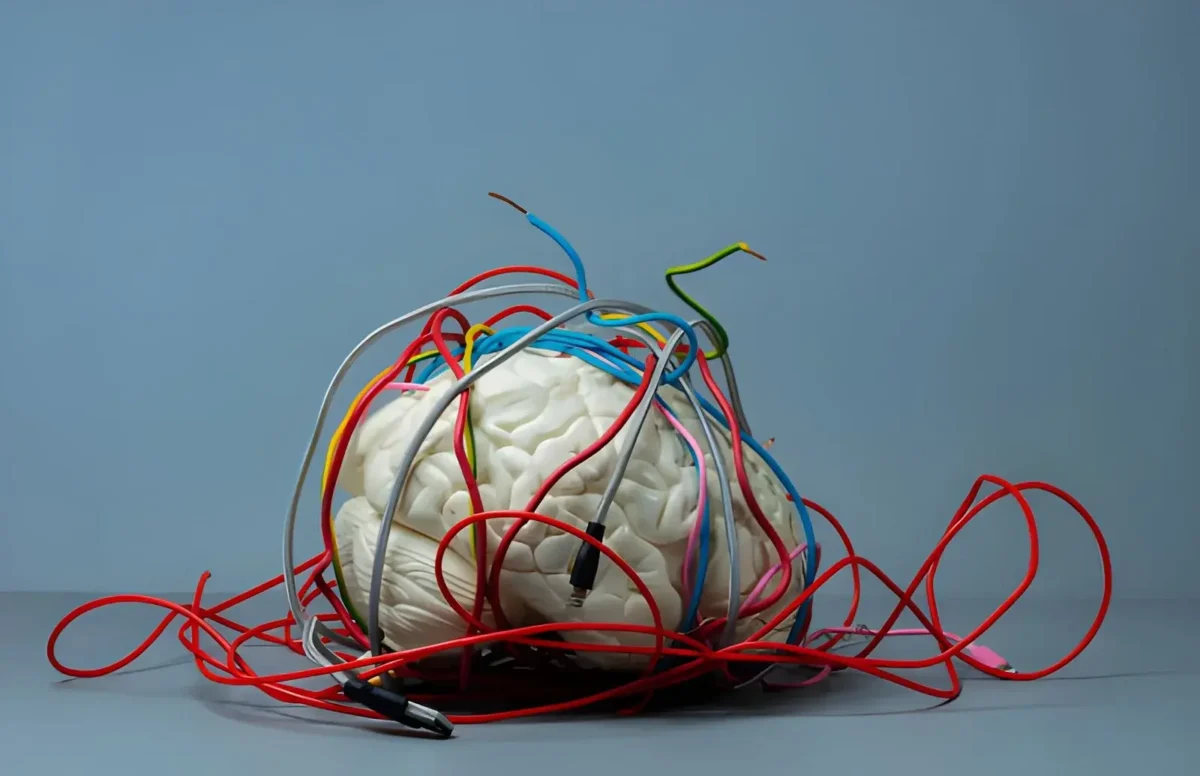

Strange feeling. Lots of people know it. Hard to describe, though. Completely exhausted. Can’t relax. Both at once. Tired all day. Mind wide awake at night. Small problems feel weirdly urgent. Focus slips. Body stays tense. Even with nothing actually dangerous going on.
People call it “survival mode.” Not a formal medical diagnosis. Still useful, though. Describes what long or repeated stress does to the body’s stress-response systems. Understanding what survival mode does to your nervous system starts with one thing. How those systems are supposed to work.
The Nervous System Has a Built-In Alarm System
The stress response exists for a reason. Brain spots a threat. The autonomic nervous system gets the body ready. Fast.
Big player? The sympathetic nervous system. The fight-or-flight part. Heart rate climbs. Breathing speeds up. Blood pressure rises. Muscles get ready to act. Attention locks onto the perceived threat.
Hormones jump in too. The hypothalamic-pituitary-adrenal axis. HPA axis for short. Ends up helping release cortisol. A hormone that mobilizes energy under stress.
Short-term emergency? These changes help. Body puts immediate action first. Everything else waits.
Problem starts when the alarm keeps going off.
When the Alarm Doesn’t Seem to Switch Off
Normally, stress fades once the stressful thing passes. The parasympathetic nervous system helps with recovery. Heart rate settles. Blood pressure drops. Other functions drift back toward rest.
Modern stress doesn’t always have an ending, though.
Work pressure. Money worries. Relationship trouble. Caregiving. Not enough sleep. Constant uncertainty. Stressful situations over and over. The body keeps flipping its stress response on. Again. And again.
Doesn’t mean actual danger. Not necessarily. The brain reacts physically to psychological threats too. Even anticipated ones. Not just physical danger. Research on stress physiology shows prolonged activation can affect systems all over the body.
That’s the “exhausted but wired” thing. Body’s tired from nonstop demands. Nervous system still acting like it needs to stay ready.
Why It’s Possible to Feel Tired and Alert at the Same Time
Sounds contradictory. Exhausted and on edge. Both can happen together, though.
Stress responses burn energy. Body shifts how it uses resources. Cranks up alertness. Puts challenge-handling functions first. For a while. Stress drags on? Keeping all that running can lead to fatigue. Other physical symptoms too.
The American Psychological Association notes chronic stress can come with fatigue. Trouble concentrating. Irritability. Sleep problems. Muscle tension. Headaches. Digestive issues. Other health concerns.
Sleep gets dragged into the cycle. Body’s tired. Mind won’t settle. Still chewing on problems. Responsibilities. Possible threats. Bad sleep then makes emotions harder to manage. Everyday stress too. Another source of strain. Round and round.
The Role of the Parasympathetic Nervous System
The autonomic nervous system isn’t a simple on-off switch. Sympathetic and parasympathetic branches work together. Constantly. Helping the body respond to whatever’s changing.
Sympathetic side gets the body ready for action. Parasympathetic side handles recovery. Rest. Digestion. A healthy stress response moves between the two. Doesn’t get stuck in one.
That’s why relaxation stuff helps. Slow breathing. Enough sleep. Physical activity. Time outside. Social connection. Mindfulness. Other healthy stress management. Gives the body chances to step out of constant activation.
Goal isn’t zero stress. Stress is normal. Part of life. Goal’s enough recovery between stressful stretches. Plain and simple.
What Prolonged Stress Can Affect
Long-lasting stress hits more than emotions. The stress response ties into heart function. Digestion. Immunity. Hormones. Muscles. Nervous system.
Research links chronic stress to changes in cortisol. Other stress-related processes too. Prolonged stress might also feed into sleep trouble. Digestive symptoms. Headaches. Muscle tension. Mental health problems.
Doesn’t mean every case of fatigue, insomnia, or anxiety comes from stress, though. Lots of medical conditions look similar. So persistent or severe symptoms? Need proper medical attention.
Moving From Constant Alertness Toward Recovery
Getting out of a long stress pattern? Usually no instant fix. More about spotting ongoing stress sources. Building in regular recovery.
Simple habits lay the groundwork. Steady sleep schedule. Eating regularly. The right amount of physical activity. Not overdoing caffeine. Relaxation techniques. Time with supportive people.
Some people also look into approaches involving the parasympathetic nervous system and the vagus nerve. A Truvaga Vagus Nerve Stimulator, for example, is one type of consumer wellness tech built around vagus nerve stimulation. Considering a device or specific intervention? Check its intended use. Safety info. Talk concerns through with a qualified healthcare professional.
Bigger idea’s simpler. The nervous system needs both. Activation. And recovery.
Listening to the Signals
Exhausted but can’t slow down? Might mean the body’s handling more stress than it can comfortably recover from. Not a character flaw. Honestly. Doesn’t mean something’s permanently wrong with the nervous system either.
Knowing how the stress response works makes it easier to recognize. Sympathetic nervous system. HPA axis. Hormones. Parasympathetic system. All working together to protect the body through challenges. When stress drags on or keeps repeating, though? That protection gets physically and mentally draining.
Telling a temporary stress response apart from ongoing stress. Important first step. From there? Consistent recovery. Healthy routines. The right professional support. More chances for the nervous system to find its balance again.
Also Read
- Innovative Technologies in Metalworking Equipment
- What Is the Cheapest Month to Visit Pattaya?
- Travel in Style: How Personalised Travel Bag Tags Elevate Your Luggage







Leave a Comment