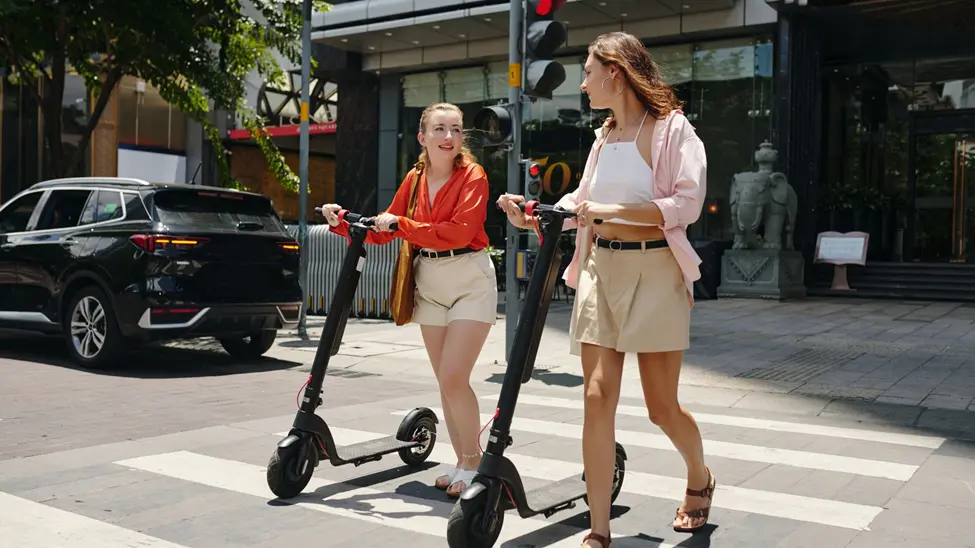

Something fundamental is shifting in how cities move, and honestly, it’s been a long time coming. Electric mobility isn’t just a policy buzzword or a tech industry talking point. It’s the actual, ground-level transformation happening on your street, your commute, and in the air you pull into your lungs every morning.
Studies confirm that e-bikes can hit energy efficiency equivalent to 3,800 mpg and cost under $50 annually to charge. Whether you care about cleaner air, shrinking your commute budget, or just arriving at work without that low-grade traffic-induced rage, understanding how sustainable city living ties into electric transportation has never been more relevant.
Let’s get into the actual ecosystem that’s making this work.
Electric Mobility as the Real Backbone of Sustainable City Living
This isn’t just a story about swapping a gas tank for a battery. It’s about reimagining how entire urban systems function. Electric vehicles in cities, shared e-scooters, cargo e-bikes, and electric buses together form a network that’s broad, practical, and growing faster than most people realize.
What the Urban Electric Ecosystem Actually Looks Like
Canadian city dwellers have more real choices today than ever before. For a lot of riders, StreetRides electric bikes Canada represents a practical, accessible entry point into reliable, affordable e-bike ownership across dense urban neighborhoods. That fits neatly into a broader micromobility network, e-scooters, e-mopeds, and electric transit options that doesn’t compete with public transit so much as it patches the holes transit alone can’t fill.
Why Cities Are Treating Urban Sustainable Transportation as Non-Negotiable
Oslo. Amsterdam. Shenzhen. Vancouver. These aren’t cities dabbling in urban sustainable transportation; they’re encoding it into long-term planning documents. Urbanization keeps accelerating. Climate commitments keep tightening. Noise ordinances are getting stricter. Electric mobility hits the pain points cities care about most: choking congestion, deteriorating air quality, road safety failures, and unequal access to reliable transportation options.
Knowing what electric mobility includes is a starting point. The sharper question is why serious city planners treat it as indispensable, not optional.
The Environmental Case That Actually Holds Up Under Scrutiny
Here’s where the argument gets genuinely compelling. Beyond the talking points, electric mobility delivers measurable environmental gains that reshape daily urban life in ways residents feel personally.
Zero Tailpipe Emissions and the Lifecycle Story Is Better Too
Tailpipe emissions drop to zero with EVs. Full stop. Lifecycle emissions, factoring in manufacturing and end-of-life recycling still come in significantly lower than gas-powered equivalents. Swap short car trips for e-bikes or e-scooters? The emissions reduction gets even sharper, alongside real congestion relief in dense neighborhoods.
Fewer emissions means something visceral: the air you breathe walking to the corner store is actually cleaner.
Cleaner Air, Fewer Sick Days, Healthier Neighborhoods
Reduced traffic-related air pollution translates into fewer asthma attacks, fewer emergency room visits, and healthier lungs for children and older adults. Cities that have meaningfully expanded eco friendly urban mobility infrastructure have documented measurable drops in respiratory illness rates. Lower healthcare costs follow. So do fewer missed school days. It compounds quickly.
And beyond cleaner lungs, electric mobility is also quietly, quite literally, changing how cities sound.
Quieter Streets Are More Than a Nice-to-Have
EV powertrains produce almost no noise at the low speeds common in residential areas exactly where people live and gather. Take a look at what that shift actually means:
| Scenario | Approximate Noise Level |
| Busy ICE traffic street | 80–95 dB |
| EV-dominant street | 50–60 dB |
| E-bike passing at 20 km/h | ~40 dB |
| Library interior | ~30 dB |
Quieter streets encourage outdoor activity, improve sleep quality, and create public spaces people genuinely want to inhabit. That’s not a minor quality-of-life footnote. That’s urban transformation.
Why Micromobility Might Be the Smartest Tool in the Whole Toolkit
Infrastructure matters enormously. But for the millions of short, everyday trips that clog city arteries, the most immediate solution is often the smallest one.
Short Urban Trips Are Practically Built for E-Bikes
Most urban trips clock in under 10 km, the precise sweet spot where e-bikes and light electric vehicles outperform everything else on efficiency and practicality. Shifting even a modest fraction of those trips away from private cars produces outsized gains: less congestion, less parking pressure, fewer emissions. A California shared micromobility pilot found that 49% of trips directly replaced car trips. That’s not marginal. That’s structural change.
Solving the First- and Last-Mile Problem Nobody Talks About Enough
Micromobility hubs positioned near transit stations and employment clusters make public transit dramatically more attractive. When you can step off a subway and immediately grab an e-bike for the remaining two kilometers, the whole system works. That’s the kind of practical, people-first integration that makes eco-friendly urban mobility genuinely functional, not aspirational theater.
What You Can Do Right Now Without Waiting for Policy to Catch Up
The future of urban electric mobility is legitimately exciting. But you don’t need to hold out for autonomous vehicles or wireless charging roads to make a meaningful difference today.
Small Daily Shifts That Compound Over Time
Replacing two or three short car trips each week with an e-bike ride or transit connection adds up quickly in emissions avoided, money saved, and stress genuinely reduced. Batching errands and using shared EVs for longer journeys stretches the impact further.
Getting Involved at the Community Level
Individual choices matter. But the fastest route to a more livable city is residents pushing together for the infrastructure and policies that make better options easier for everyone. Advocating for protected cycling lanes, requesting curbside EV charging, backing school “bike bus” initiatives, these moves shift the needle in ways individual purchases alone cannot.
The Bigger Picture Is Already Here
Electric mobility isn’t a future promise you’re waiting on. It’s actively reshaping how cities breathe, sound, and function right now. From e-bikes cutting commute costs to EVs supporting grid stability, the compounding benefits are real. Cities moving decisively on this will be cleaner, healthier, and more equitable places to live, full stop.
And residents who make even modest shifts, trading a car trip for an e-bike, exploring local incentive programs, advocating for better infrastructure, aren’t just making personal choices. They’re participating in something genuinely larger. Sustainable city living builds from individual decisions and scales into transformation.
Questions Worth Answering About Electric Mobility and City Life
1. What separates electric mobility from traditional public transit?
A: Electric mobility spans a much wider range of modes, EVs, e-bikes, e-scooters that work alongside traditional transit rather than competing with it, creating a more complete and flexible urban network.
2. How does electric mobility improve daily life in dense urban neighborhoods?
A: Quieter streets, cleaner air, and lower commuting costs improve quality of life in tangible ways. Residents in EV-dominant neighborhoods report better sleep, more time outdoors, and stronger community connections.
3. Why are e-bikes often more impactful than electric cars for urban sustainable transportation?
A: Most urban trips are under 10 km, the natural sweet spot for lightweight electric vehicles. They take up less space, reduce parking demand, and can fully replace car trips for many daily commuters.
Also Read-Branded Title Meaning: The Complete Guide to Understanding Branded Car Titles







Leave a Comment