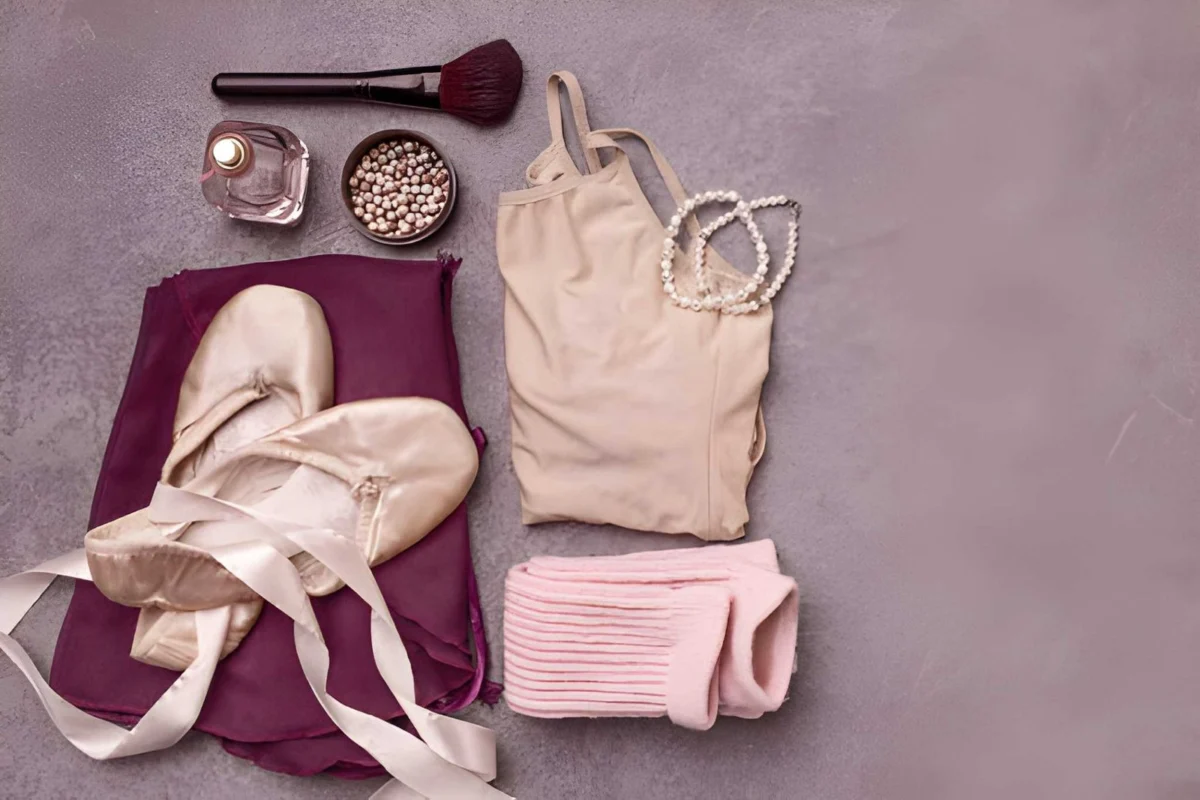

For dancers, having the optimal equipment and attire can significantly impact their performance. Whether for beginners or seasoned professionals, a visit to a dance store offers an array of essentials crucial for honing skills and enhancing stage presence.
Footwear: The Foundation of Dance
The right footwear is fundamental for any dancer. Ballet slippers, jazz shoes, and tap shoes each serve distinct functions and are designed to support varying styles of movement. Selecting proper dance shoes can prevent injury and provide the comfort needed for long rehearsals and performances.
Attire: Balancing Comfort with Style
Dance attire is more than just a fashion statement; it provides the necessary flexibility and support. Leotards, tights, and unitards are common choices, allowing for ease of movement and breathability.
Accessories: The Supporting Cast
In addition to shoes and attire, accessories like leg warmers, headbands, and dance bags care for a dancer’s additional needs. These items contribute to both performance and practical aspects of a dancer’s routine.
Technical Equipment: Enhancing Practice
Resistance bands, yoga mats, and foam rollers are excellent for improving strength, flexibility, and recovery. These tools support the demanding physical requirements of dance.
Music: The Heartbeat of Dance
A good sound system or portable speakers can make all the difference during practice sessions. Quality sound equipment helps maintain rhythm, tempo, and energy levels.
Nourishment: Fueling the Performer
Dance is a physically demanding discipline, necessitating proper nutrition. Hydration bottles, energy snacks, and supplements should always be within reach to sustain energy through intense routines.
On-the-Go Essentials
A well-stocked dance bag is a necessity. It should include all the essentials mentioned earlier, along with toiletries and spare attire. This ensures that dancers are prepared for any situation, especially when travelling between classes and performances.
Costume Care: Preserving Performance Pieces
Caring for costumes is vital. Storage bags, hangers, and garment steamers help maintain costumes’ pristine condition while preventing wrinkles and damage.
Personal Care: Maintaining Well-being
Skin-care products, deodorants, and first-aid kits are important not only for appearance but also for health, preventing blisters and other skin irritations.
Training Tools: Progression in Skills
Ballet barres, dance mirrors, and instructional DVDs or online classes can facilitate home practice, offering additional platforms for skill refinement.
Injury Prevention: Staying Safe
Support braces, ankle wraps, and kinesiology tapes are crucial for injury prevention. They offer the necessary protection and support for vulnerable joints.
Emergency Supplies
A small sewing kit, safety pins, and spare laces should be in every dancer’s bag, prepared for quick fixes and adjustments during performances.
Foot Care: Prioritising Comfort
Toe pads, blister pads, and foot ointments ensure a dancer’s feet remain in top condition, ready for the rigorous demands of dance.
Conclusion: Preparation Meets Performance
Dancers require a range of equipment and essentials to perform their best. A comprehensive approach to preparation, comprising footwear, attire, accessories, and personal care, ensures that dancers are fully equipped to excel in their craft.
Read more: iPhone Liquid Error Won’t Go Away After 24 Hours? Do This
The Business Benefits of Adopting Sustainable Energy Solutions
Keratin Tip Extensions for Face Framing Haircuts: Care and Maintenance Guide

Leave a Comment