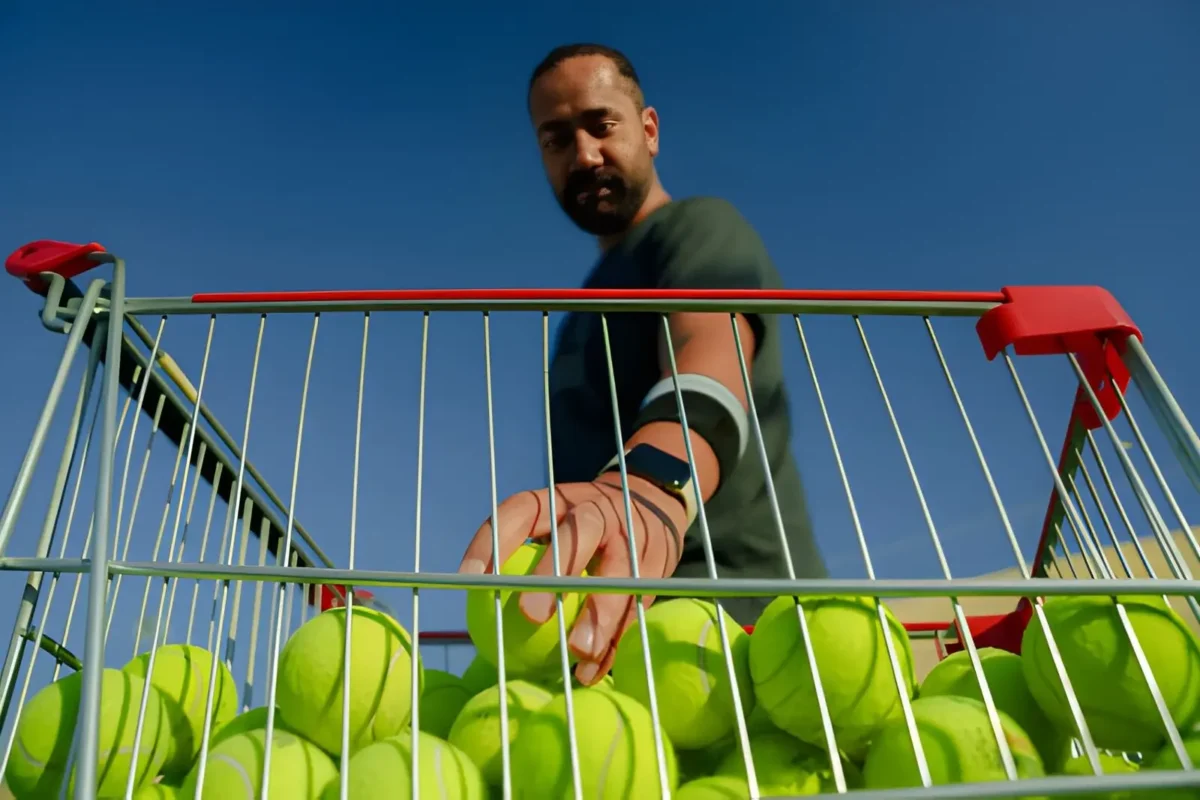

Choosing the right tennis balls is crucial for enhancing the playing experience across all levels of tennis. From beginners to professionals, each level demands specific ball characteristics such as durability, bounce, and speed that align with a player’s skill level and playing style. Understanding these differences can significantly impact performance and enjoyment on the court.
Understanding the Types of Tennis Balls
There are several types of tennis balls available on the market, catering to different ages, skill levels, and playing surfaces. Standard types include regular duty, extra duty, and high altitude balls. Regular duty balls are ideal for clay and indoor courts as they have less fluffiness, whereas extra duty balls are suited for hard courts due to their durability. High altitude balls are specifically designed for play over 4,000 feet above sea level to account for the thinner air.
Beginners and Intermediates
For beginner and intermediate players, tennis balls with lower compression are recommended. These balls travel slower and bounce less, which helps new players to refine their strokes and footwork without the pressure of fast-paced games. Many beginners benefit from using pressureless balls during practice as they are long-lasting and retain their bounce longer than standard balls.
Advanced and Professional Levels
Advanced players typically require tennis balls that provide consistent bounce and speed to match their high-intensity games. Pressurised balls are often preferred at this level due to their liveliness and the control they offer. Professional players, particularly, opt for balls that meet ITF standards, ensuring consistency and performance on all tournament surfaces, whether clay, grass, or hard courts.
Choosing Balls Based on Surface
The choice of tennis balls should also align with the surface being played on. Each surface has unique characteristics, and selecting the correct ball is essential for optimal performance. For example, clay courts require regular duty balls that slide and spin less, while hard courts demand extra duty balls for better resistance.
Durability and Longevity
Durability is a key factor when selecting tennis balls, especially for frequent players. Pressurised balls tend to lose their bounce quicker, making them less ideal for long-term use. On the other hand, pressureless balls offer more prolonged playtime as they maintain their bounce for a considerably longer period.
Tennis Balls for Training
Training sessions often require a large number of balls that can withstand repetitive hits. Therefore, pressureless balls are a favoured choice in these scenarios due to their durability. They provide consistent play throughout practice despite frequent usage, making them a cost-effective option for training purposes.
Impact of Altitude
At high altitudes, regular tennis balls often bounce more than expected. To counter this, high altitude tennis balls are designed with reduced pressure to perform optimally in lower air pressure environments. This consideration is crucial for players residing or competing in elevated areas.
Choosing Balls for Junior Players
Children and juniors have specific needs in tennis equipment. Lower compression balls, often coloured red, orange, or green, are scaled according to age and proficiency. These balls allow young players to develop their skills at a manageable pace, providing ample opportunities to learn the fundamentals of the game.
Environmental Considerations
The environmental impact of tennis balls is an increasing concern. Many manufacturers are now focusing on sustainable practices, such as using recyclable materials for packaging and developing longer-lasting pressureless balls to reduce waste. Players are encouraged to consider the environmental implications of their choices when selecting tennis balls.
Popular Tennis Ball Brands
Several brands dominate the market with high-quality tennis balls suitable for various levels of play. Well-known brands like Wilson, Penn, and Dunlop offer a broad range of options that cater to all preferences and playing conditions. Each brand brings its unique characteristics and innovations to the table.
Considering Price and Value
Price is an essential factor when buying tennis balls. While premium balls may offer better performance characteristics, they could also entail higher costs. Players should balance price and value by aligning their choice with their frequency of play and performance expectations.
Tennis Ball Maintenance Tips
Proper storage can significantly extend the functional life of tennis balls. They should be kept in a cool, dry place to prevent premature wear and avoid exposure to excess moisture. Storing balls in a pressurised container can also help maintain their bounce.
Ensuring Optimal Performance
Regularly updating tennis balls is necessary to ensure optimal performance. Over time, dirt accumulation and loss of pressure can degrade the ball’s quality and playing characteristics. Using fresh balls for competitions and serious practice is essential for maintaining high standards of play.
Conclusion: Making the Right Choice
In conclusion, choosing the best tennis balls requires an understanding of one’s playing level, the playing surface, and personal preferences. By considering these factors and exploring the options available at Buffalo Sports, players can find the perfect match that enhances their playing experience and supports their development on the court.
Also Read-Innovative Technologies in Metalworking Equipment





Leave a Comment