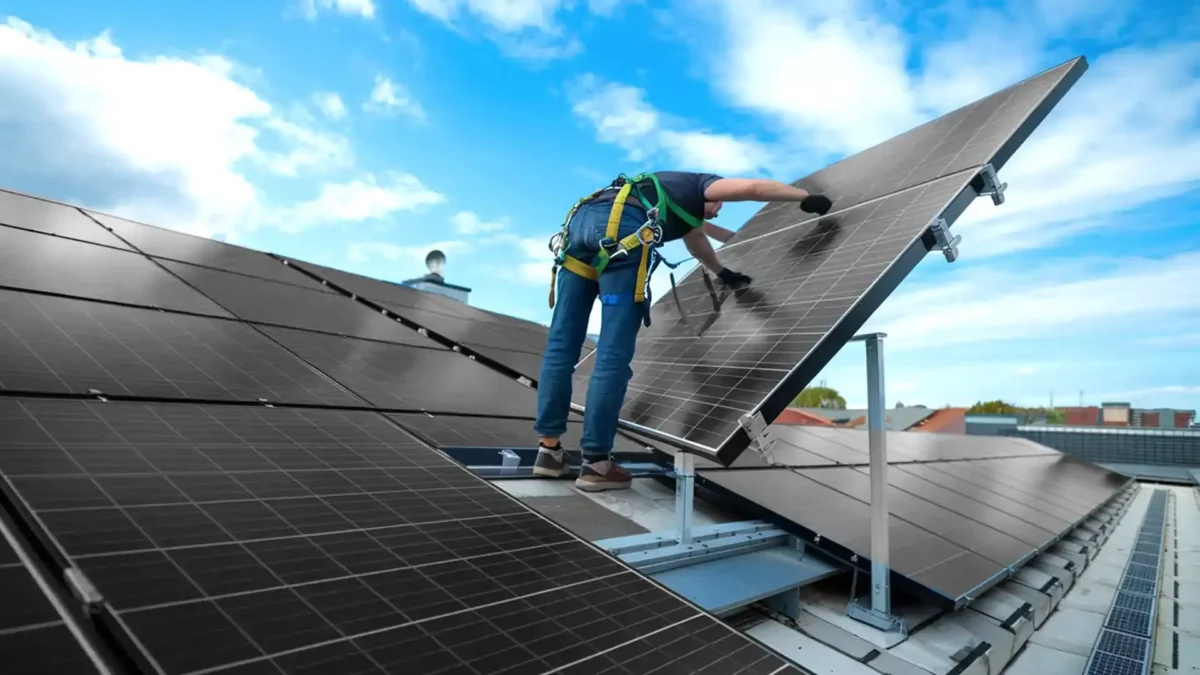

Buying wholesale solar equipment in bulk can streamline procurement, improve pricing, and support consistent installations for contractors who regularly use the same panels, inverters, batteries, and balance-of-system components. Effective solar inventory management requires careful planning around project pipelines, storage capacity, product compatibility, lead times, and available cash flow. Use these inventory strategies to establish practical stock levels, reduce overstocking, and keep equipment available for upcoming solar projects.
Track Your Actual Equipment Usage
Start by looking at what your business has actually used over the past several months. Make a list of which panels, inverters, batteries, and other equipment consistently get used in your projects. This gives you a better basis for making buying decisions than just estimating what you think you’ll use.
Pay attention to seasonal changes too. Most solar installers are more active in the spring and summer months, so adjust your purchasing according to those shifts instead of maintaining the same levels year-round. After all, if you overstock on something, by the time your busy season comes back around, that piece of equipment might be outdated compared to newer items on the market.
Set Minimum and Maximum Stock Levels
Set yourself a minimum quantity you want to keep on hand for frequently used equipment, but, just as importantly, also set a maximum quantity that you’re comfortable storing. Your minimum should be enough to keep projects moving along while giving you time to place another order. Your maximum prevents you from buying more than you can reasonably use, just because you saw a good price on a piece of equipment.
Of course, these limits can and should vary by part. Smaller parts that get used a lot can be kept in much higher stock than bulky equipment that takes up a lot of space.
Standardize Equipment If You Can
Stocking too many variations of similar products can take up a lot of space very quickly. Standardizing your equipment options around a proven piece of equipment can simplify your inventory management. For example, sticking to a few inverters and batteries that you know are compatible might make it easier to predict future demand. Standardizing also helps you and your team members become more familiar with the equipment they’re installing.
If you install solar, wholesale equipment can save you a great deal on project costs, but those discounts typically require you to purchase in larger quantities. It’s important to manage your inventory effectively so you can take advantage of these wholesale costs while keeping your stock at reasonable levels you’ll actually use.
Also Read
- https://grammerway.com/is-chiropractic-care-effective-for-back-pain-what-to-know-before-your-first-visit/
https://grammerway.com/5-signs-its-time-to-build-a-custom-home-instead-of-buying/
https://grammerway.com/top-8-billing-platforms-for-orthotics-and-prosthetics-providers/







Leave a Comment