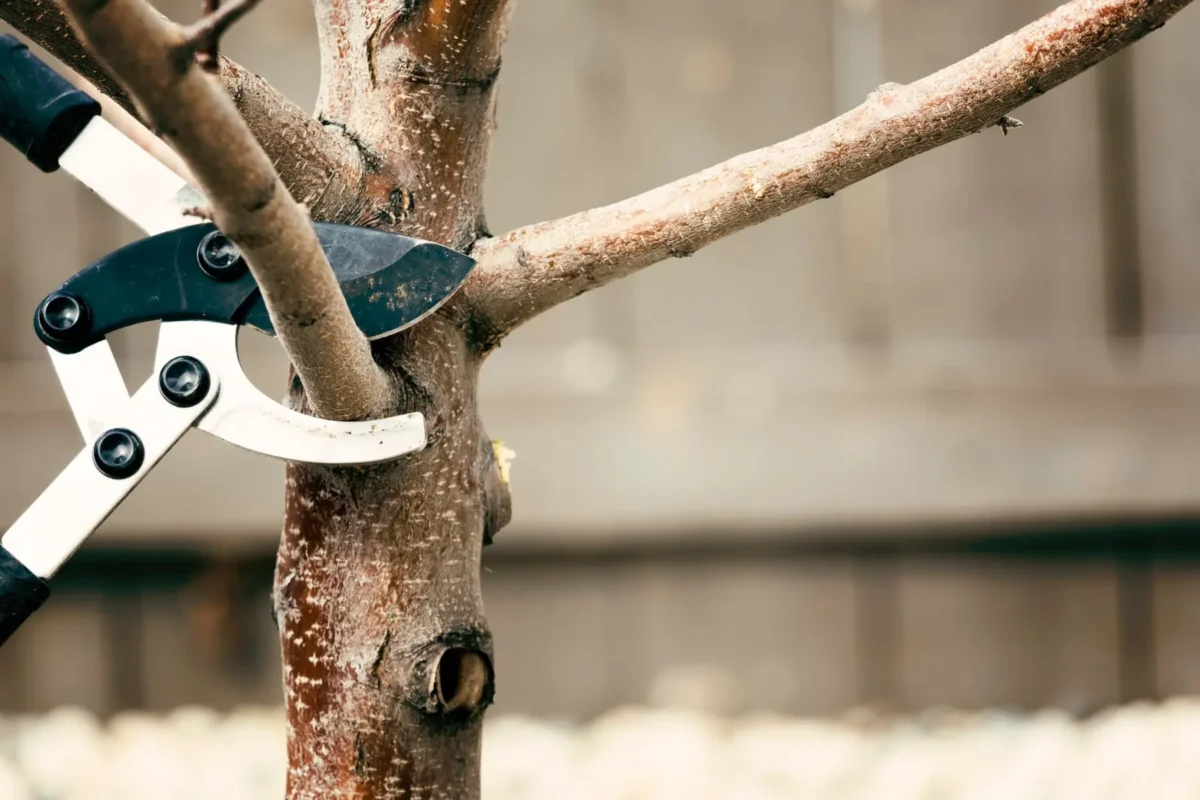

Most homeowners treat tree care like a reactive chore. A branch comes down in a storm, so they call someone. The lawn guy mentions the maple looks rough, so they think about it for a month and forget. The problem with this approach is that trees operate on their own clock, and the best time to help one is often months before any problem shows up.
The good news is that tree care doesn’t demand much. A few focused weekends a year, timed to what the tree is actually doing, cover most of what a healthy yard needs. Some jobs are simple enough to handle yourself, while others, like major pruning or a suspicious lean, are better left to professional tree services that have the training and equipment to work safely overhead. Either way, knowing the calendar is the first step.
Here’s a season-by-season breakdown of what matters and when, written for a temperate climate with four distinct seasons. If you’re in a warmer region, the timing shifts a bit, but the logic stays the same.
Spring: Watch, Water, and Hold Off on the Pruning Shears
Spring is when trees wake up, and it’s your best window for spotting problems early.
Inspect as the canopy leafs out. A tree that leafed out unevenly, or has bare patches while its neighbors are full, is telling you something. Look for dead branches that never budded, cracks in the trunk, and fungal growth at the base. Mushrooms growing around the root zone are worth taking seriously. They often signal decay underground where you can’t see it.
Water young trees deeply. New trees planted within the last two or three years need consistent moisture, roughly 10 to 15 gallons a week during dry stretches. Mature trees usually manage on their own, but a newly planted tree without help its first summer often doesn’t make it to the second.
Refresh mulch, but do it right. Pull back any mulch piled against the trunk and spread a ring two to three inches deep, stopping well short of the bark. Mulch volcanoes, those mounds of mulch piled up trunks, trap moisture against the tree and invite rot and rodents. This is one of the most common mistakes in residential landscaping, and it takes five minutes to fix.
Resist the urge to prune. Spring pruning during leaf-out wastes the tree’s energy and can spread disease, especially in elms and oaks. Unless you’re removing storm damage, leave the cutting for later in the year.
Summer: Water Smart and Leave the Big Cuts Alone
Summer is mostly about keeping trees unstressed, because a stressed tree is a magnet for pests and disease.
Water deeply and infrequently. One long soak a week beats a light sprinkle every day. Deep watering trains roots downward, which is exactly what you want heading into the hotter months. Established trees in typical suburban yards often need no supplemental water at all, but drought years change that math for everyone.
Watch for trouble in the leaves. Mid-summer is when pests and fungal issues show up. Chewed edges, sticky residue, early fall color in July, and spots on leaves all deserve a closer look. Catching most of these early makes them manageable. Catching them in year three of an infestation usually doesn’t.
Skip the heavy pruning. Cutting live branches in summer opens wounds that bleed sap and invite insects right when those insects are most active. The exceptions are hazard branches, anything dead, hanging, or hanging over a roof or play area, which can and should come down whenever you spot them.
One summer job worth doing: check tree stakes and ties on younger trees. Ties left on too long girdle the trunk, strangling the tree slowly as it thickens. If the tree can stand on its own, the stakes should come off entirely.
Fall: The Real Work Begins
Fall is the busiest season on the tree care calendar, and the most rewarding, because work done now pays off all next year.
Plant. If you’re adding trees, fall is the ideal window in most regions. Soil stays warm while air temperatures cool, so roots grow without the stress of summer heat. A tree planted in October often outpaces the same tree planted in April.
Fertilize if a soil test says so. Don’t fertilize on a hunch. Get a soil test first, many extension offices do them cheaply, and only feed what’s actually missing. Blanket fertilizing does more harm than good in yards that don’t need it.
Rake or mulch the leaves. Leaving a thick mat of leaves on the lawn all winter invites fungal problems, but you don’t need to bag them. Running the mower over them a couple of times shreds them into food for the soil.
Inspect for hazards before winter storms. This is the season to walk your property with a critical eye. Dead branches over the driveway, a trunk leaning a little more than you remember, cracks where two big limbs meet. Winter storms have a way of finding the weak spots you ignored in October, and emergency removal during a storm costs far more than a planned one in fall.
Winter: Prune, Plan, and Protect
Dormant season, not dead season. Winter is when the most important pruning of the year happens.
Prune while the tree sleeps. With leaves down, you can finally see the branch structure, crossing limbs, deadwood, and branches rubbing each other. Dormant pruning causes the least stress, and cuts heal fast once spring growth starts. For big limbs or anything near power lines, this is professional work. For small branches under about two inches thick with a clean saw and a proper cut, a careful homeowner can handle it.
Protect young trunks. In regions with freezing nights and sunny winter days, thin-barked young trees can crack from sunscald. Plastic tree guards or wraps on the south-facing side solve this cheaply.
Knock down heavy snow loads. Use a broom and an upward motion to gently lift branches and let snow slide off. Don’t shake them, frozen branches snap. And leave ice alone entirely; it’s not worth a broken arm.
Plan next year’s projects. Winter is a great time to schedule professional work, since arborists are less booked and some offer off-season pricing. By the time spring rush hits, you’ll already be on the calendar.
A Few Rules That Apply Year-Round
Whatever the season, three habits keep you out of trouble. Never top a tree; it creates weak, fast regrowth that becomes a hazard in a few years. Don’t pile anything, mulch, soil, or stored firewood, against a trunk. And when a job involves a chainsaw over shoulder height, a ladder, or a power line, that’s your signal to make the call rather than the cut.
Trees reward small, well-timed attention with decades of shade, privacy, and value. Follow the calendar above and most of your tree care becomes a few quiet weekends instead of a series of expensive emergencies.
Also Read
- https://grammerway.com/how-to-make-better-financial-decisions/
https://grammerway.com/maximizing-returns-through-strategic-commercial-property-investment/
https://grammerway.com/exploring-the-bachelor-in-science-at-james-cook-university-your-pathway-to-a-scientific-career/







Leave a Comment