
Choosing materials for a metal building is one of those early decisions that quietly affects everything later: strength, safety, budget, upkeep, and even how smoothly the project moves. If you are an owner, contractor, marketer, or hands-on builder, the right metal construction materials can save you from expensive fixes down the road.
Buildings clad in metal are a leading solution for projects that are on-time, on-budget, and eye-catching. This guide walks you through the best materials for metal buildings and makes choosing metal construction materials feel a little less like guesswork.
Essential Criteria for Metal Building Material Selection
Once you know what the building must do, the material decision becomes much clearer. Think about performance first, then cost, maintenance, and whether the structure may need to adapt later.
Durability, Cost, and Maintenance
The main factors for metal construction materials usually come down to strength, corrosion resistance, maintenance needs, availability, and how well the material suits the building’s purpose. For roof framing, wall support, and secondary steel members, buyers often compare steel purlins, C purlins, and galvanized purlins before reviewing options like C purlins for sale from trusted suppliers.
Structural Fit and Adaptability
Strong metal building material selection also depends on practical design details. Load requirements, bay spacing, roof pitch, span lengths, and future expansion plans all matter. A farm shed, retail shell, warehouse, and backyard workshop may all use metal, but they do not always need the same grade, coating, or profile.
With those basics in place, it helps to compare the most common materials side by side.
Comparing Popular Metal Construction Materials
Every metal has a job it does especially well. Strength is important, of course, but weight, weather exposure, appearance, and repair needs can be just as important over the life of the building.
Steel Solutions for Strength and Versatility
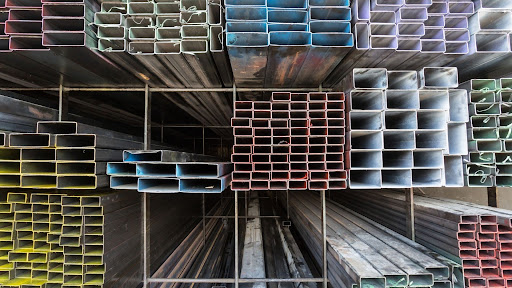
Steel is still one of the best materials for metal buildings because it can handle heavy loads, wide spans, and rough jobsite conditions without fuss. Cold-formed steel is commonly used for purlins and girts, while hot-rolled steel is often chosen for primary frames and larger structural members.
Coatings make steel even more useful. Galvanized and painted systems can help fight rust, extend service life, and reduce maintenance headaches. When comparing durable framing choices, many buyers look at coated steel purlins, C purlins, and metal roofing supports, so it makes sense to research C purlins for sale before locking in a final order.
Aluminum, Copper, and Specialty Metals
Aluminum is a smart fit when weight needs to stay low. You will often see it used in wall panels, trim, canopies, and coastal details where corrosion resistance matters. Powder-coated finishes also give you better color consistency and weather protection.
Copper and specialty metals cost more, so they are usually reserved for specific needs. They work well where conductivity, long-term visual appeal, or chemical resistance is important. Are they right for every building? Not really. But in the right setting, they can be worth every dollar.
Next comes the site itself, because even a tough material can struggle in the wrong environment.
Climate, Sustainability, and Long-Term Value
A material that performs beautifully in a dry inland location may have problems near salt air, heavy snow, or industrial fumes. Climate, code requirements, and building use should guide the final decision.
Adapting to Harsh Environments
Coastal projects usually need stronger corrosion protection than buildings in dry inland areas. Galvanizing, high-performance paint systems, sealed connections, and compatible fasteners can help metal components last longer in salt, snow, wind, and chemical-heavy conditions.
The broader market is also leaning into factory-made metal systems. “Pre-engineered metal building market size was valued at USD 44.1 billion in 2025 and is projected to grow… to USD 87.0 billion by 2033, at a CAGR of 8.9% from 2026 to 2033.”
That growth makes sense. Prefabricated systems can reduce waste, improve consistency, and speed up construction when planning is done well.
Sustainability and Cost Over Time
Recycled steel and aluminum can perform very well when sourced and tested to proper standards. If your project has green goals, lender requirements, or public-sector rules, ask for environmental product data early. Waiting until the bid stage can create avoidable headaches.
Upfront cost is only one piece of the puzzle. Prefab parts, modular framing, accurate takeoffs, and smart ordering can reduce labor hours, cut scrap, and improve long-term return. In plain terms: the cheapest material on day one is not always the best deal.
Once the material matches the site, the next thing to watch is the connection system.
Fasteners, Design Choices, and Mistakes to Avoid
Fasteners and joints do a lot of quiet work. They carry loads, control movement, and help keep water out. Poor connection choices can shorten the life of even high-quality metal systems.
Fasteners and Connections
Self-drilling screws, pre-painted fasteners, and properly matched washers help protect roof and wall assemblies. Bolted connections are easier to inspect, which is useful for maintenance teams. Welded joints can be strong, but they require skilled labor and proper coating after the work is finished.
When comparing secondary framing options, C purlins for sale are often reviewed by gauge, coating, hole pattern, and compatibility with the building design. Those details may sound small, but they affect installation, inspection, and code compliance.
Aesthetics, Customization, and Common Errors
Metal buildings do not have to look plain or industrial. Color-coated panels, architectural cladding, exposed steel, mixed-material facades, and clean trim details can give a project a polished, modern look without sacrificing performance.
Common mistakes include underestimating wind uplift, overlooking snow loads, skipping code checks, and choosing weak corrosion protection. Before placing an order, confirm load data, coating type, delivery lead time, and system compatibility. Also make sure the c purlins for sale you choose fit your specific roof and wall assemblies.
Future-ready projects go one step further by planning for smarter materials and easier inspections.
Expert Recommendations and Future Trends in Metal Construction Materials
Engineers and architects are paying closer attention to long service life, lower waste, and better field performance. The next wave of metal construction will likely blend proven materials with improved coatings, better monitoring, and cleaner planning.
Nanocoatings and Smart Materials
New coating technologies may improve scratch resistance, heat control, and corrosion protection. Smart materials are also being explored for movement tracking, moisture alerts, and early damage warnings. That is a big deal when small problems can become expensive repairs.
IoT Sensors and Better Planning
Sensors placed in key steel areas can help owners spot stress, leaks, or movement before repairs become urgent. This is especially useful for warehouses, manufacturing plants, and buildings that support heavy equipment.
Trends are exciting, sure. But most buyers still need clear answers before they commit.
Final Thoughts
Choosing the right materials for a metal construction project is about more than checking off specifications—it’s about creating a building that delivers reliable performance for decades. By balancing structural requirements, climate conditions, maintenance expectations, and long-term costs, you can select materials that provide the best value rather than simply the lowest upfront price. From durable steel framing and corrosion-resistant coatings to properly matched fasteners and future-ready technologies, every decision contributes to a safer, stronger, and more efficient structure. Taking the time to evaluate your options carefully now will help ensure your metal building remains resilient, cost-effective, and built to meet your needs well into the future.
Common Questions About Metal Building Material Choices
What factors should be considered when selecting materials for an installation?
To ensure the endurance, durability, and character of your building, consider cost, durability, availability, sustainability, maintenance, and aesthetic appeal. The right choice should fit the site, the building’s purpose, and the owner’s long-term plans.
What factors do you consider when selecting a construction site for a project?
Key site points include location, environmental conditions, zoning rules, available facilities, neighborhood fit, and room to grow. These details affect access, permits, drainage, material choice, and the future value of the finished structure.
How do I pick the right metal for my region’s climate?
Start with the biggest weather risks: salt air, snow, heat, storms, or industrial fumes. Then match the metal, coating, and fasteners to those conditions. Local codes and an experienced supplier can help you narrow the safest options.
Choose carefully now, and your metal building has a much better chance of staying strong, efficient, and good-looking for years.
Read more: What to Know Before Purchasing a Pre-Owned Vehicle
What Makes Today’s Vehicles More Driver-Friendly Than Ever
Best Practices for Designing Web Carousels: Enhance Usability and Accessibility

Leave a Comment