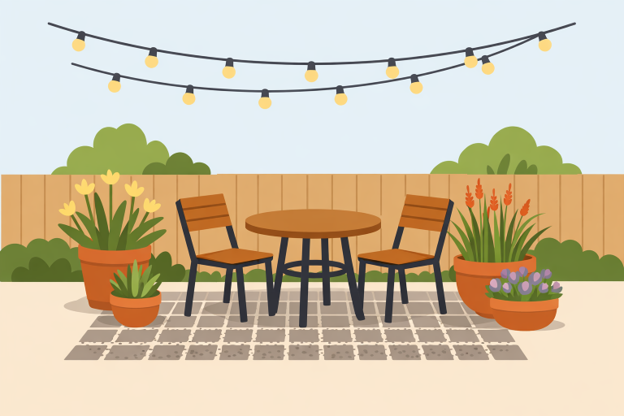

Transforming your backyard into a stunning outdoor living area not only enhances your home’s aesthetic appeal but also provides a serene retreat for relaxation and entertainment. By incorporating thoughtful design elements such as residential hardscaping services and sustainable practices, you can create a space that is both beautiful and functional. Whether you dream of cozy lounging corners, lush greenery, or an inviting entertainment zone, careful planning ensures success.
Today’s homeowners are increasingly prioritizing outdoor living spaces as extensions of their interior environments. With strategic approaches and an eye for quality, your backyard can become the perfect oasis for quiet afternoons or lively gatherings, ultimately boosting your home’s overall value and curb appeal.
Define the Purpose of Your Outdoor Space
Before embarking on your outdoor transformation, it is vital to clarify the purpose your backyard will serve. Are you envisioning a tranquil escape for reading and meditation, a family-friendly play zone, or an elegant space for entertaining guests? Defining the purpose guides your design process, allowing you to create distinct zones for dining, lounging, and activities. This thoughtful approach will help ensure that your space is both functional and harmonious.
Designing with intention also maximizes every square foot available, making your backyard layout both practical and inviting for everyone who uses it.
Choose Durable and Weather-Resistant Materials
Outdoor areas must endure the elements, so selecting high-quality, weather-resistant materials is key. Products like composite decking and powder-coated metal furnishings stand up well to rain, sun, and temperature shifts. These choices offer low maintenance and preserve your investment over time. According to a Trex report on outdoor living trends, durability remains a top concern for homeowners as they seek materials that retain their appearance year after year.
Avoid materials that are prone to rust, rot, or fade. Consider natural stone for patios or walkways, which offers aesthetic appeal with a timeless touch. Hardscaping features not only provide a solid foundation for gathering spaces but also lend definition and texture to your landscaping design.
Incorporate Native Plants for Sustainability
Choosing native plants is an environmentally friendly strategy that brings lasting beauty to your backyard. Native species are adapted to the local climate and soil conditions, which means they require less water and maintenance than non-native plants. This not only reduces your workload but also conserves resources and helps local ecosystems thrive. Through thoughtful plant selection and placement, you can create vibrant borders, pollinator gardens, and shady retreats in every corner of your outdoor space.
Implement Permeable Surfaces to Manage Water Runoff
Responsible landscape design accounts for sustainability by managing water runoff naturally. Installing permeable surfaces, such as gravel, mulch pathways, or permeable pavers, allows rainwater to filter back into the ground instead of running off into storm drains. This approach minimizes erosion and even helps with your garden’s irrigation, reducing the need for supplemental watering. Permeable landscaping is a growing trend and is often endorsed by environmental experts for its ecological benefits.
Enhance Ambiance with Lighting and Comfortable Furnishings
Creating the right ambiance makes your outdoor space as enjoyable by night as it is by day. Use layered lighting to highlight walkways, accent garden features, and illuminate seating areas for evening gatherings. Solar-powered lights, LED path markers, and string lights all contribute to a welcoming atmosphere. Comfortable and weather-resistant furnishings such as deep-seated chairs, cushioned sofas, and hammocks invite relaxation and encourage lingering in the fresh air. Outdoor rugs, decorative pillows, and shade canopies further enhance comfort and create a warm, indoor-like feel that makes your backyard a true extension of your home. For more inspiration, browse Architectural Digest’s backyard design guide for innovative lighting and decor ideas.
Maintain Your Outdoor Space Regularly
Regular upkeep is essential to sustaining the beauty and functionality of your outdoor oasis. Set a routine for cleaning hard surfaces, checking for needed repairs, and pruning plants as necessary. Addressing maintenance needs promptly keeps your area looking fresh and prevents minor issues from becoming major headaches. Regular care ensures that your backyard remains a welcoming and safe environment for your family and guests alike.
Personalize Your Space with Unique Decor
Express your personal style through carefully chosen decor elements. Outdoor rugs, colorful cushions, artwork, garden sculptures, and even water features reflect your tastes and make your backyard unique. Whether your style is modern, rustic, or eclectic, these details bring warmth and personality, helping your new outdoor living space truly feel like home.
Conclusion
Designing and maintaining a beautiful outdoor living space is a rewarding process that blends creativity, function, and sustainability. By starting with a clear sense of purpose, investing in quality materials, embracing sustainable planting, implementing permeable surfaces, and paying attention to ambiance and personal touches, you will build a backyard paradise you can enjoy for years to come.
Read more: The Impact of Structure and Discipline in Modern Education
Why Homeowners Sell Their Properties Quickly in Lawrence, Kansas
Modern Muscle Cars as Daily Drivers in Orlando, Florida: Power Meets Practicality

Leave a Comment