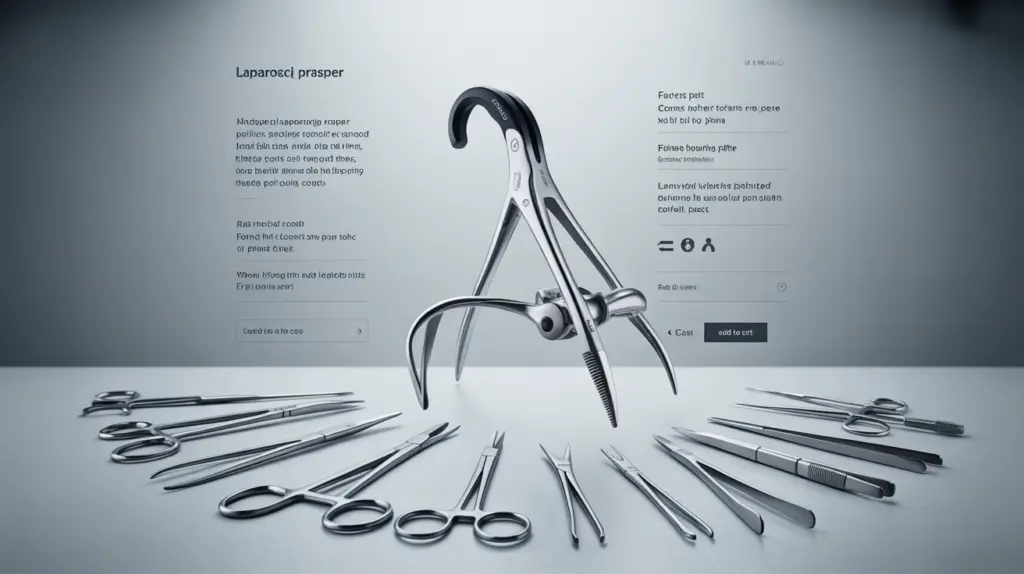

Selling medical tools online isn’t a casual shopping experience. These aren’t impulse buys. The products are complex, the buyers are cautious, and every purchase carries weight. In a crowded marketplace where multiple stores carry similar items, the store that explains a product clearly will almost always earn the order.
And this is where many sellers miss the mark. Photos and long product descriptions might check the basic boxes, but they don’t give buyers enough confidence. A hospital, clinic, or independent professional wants more than specs on a page.
They want to see safety, scale, and usability before they commit. That’s exactly what animated visuals deliver.
Why Traditional Product Pages Fail Medical Buyers
Scroll through most medical e-commerce sites and you’ll notice a pattern: a few photos, a bulleted list of features, and maybe a PDF manual. While that may work for simple items, it falls short for medical equipment.
Medical buyers face unique challenges:
- Complexity of tools: Many instruments involve intricate mechanisms or multi-part assembly.
- Strict standards: Safety and compliance are critical, so vague details create mistrust.
- High cost of error: A wrong purchase is not just a return—it may delay care or affect patient outcomes.
When buyers can’t clearly see how a tool works, hesitation kicks in. That pause often turns into abandoned carts, endless questions, or a lost sale to a competitor. Static visuals just don’t cut it for products where accuracy and trust matter most.
That’s why more medical tool stores are turning to advanced product visuals. By using professional 3D animation services, they give buyers the clarity they need and make every listing more informative, reliable, and purchase-ready.
How Animated Visuals Fill the Clarity Gap
Animation brings medical tools to life in ways that static images never can. By adding motion, you show more than just shape. Here’s how it changes the buying experience:
- Movement shows usability: A rotating model lets a buyer inspect every angle. A short animated clip demonstrates how each part moves, connects, or locks into place.
- Step-by-step instruction: Instead of scrolling through a text-heavy manual, buyers can see assembly or cleaning demonstrated in a matter of seconds.
- Scale and proportion: Many medical tools are judged by their size in relation to the human hand or another device. Animation can highlight scale clearly without guesswork.
- Highlighting safety features: Clips can focus on built-in safeguards like locking systems, ergonomic grips, or sterilization compatibility—that matter most to clinical buyers.
For stores dealing in technical or high-value equipment, 3D product animation services are especially effective. They allow you to create detailed cross-sections, exploded views, and realistic usage demonstrations that reduce uncertainty for buyers.
Why Medical Tools Demand More Than Pretty Marketing
For fashion or lifestyle products, an attractive photo may be enough. Medical tools, however, operate in a space where accuracy, reliability, and trust determine whether a sale happens at all. Buyers are not browsing casually; they are evaluating carefully.
Here’s why animated visuals hold special weight in this category:
- Trust and credibility: Demonstrating function in detail positions your brand as knowledgeable and transparent.
- Reduced product returns: When buyers know exactly what they are getting, surprises after delivery decrease.
- Support for compliance: Visual explanations of sterilization or handling steps can align with industry standards and reassure buyers.
A medical buyer is less impressed by glossy marketing than by proof of usability and safety. High-quality animations provide exactly that.
How Animated Visuals Boost Conversions and Sales
Clarity has a direct link to conversion. When buyers spend more time engaging with a product page and feel confident about what they’re buying, sales increase.
Consider the following effects that medical e-commerce stores often see after adding animated visuals:
- Higher engagement: Buyers stay longer on the page, exploring movement and details.
- Fewer doubts: With questions answered visually, buyers move through checkout faster.
- Reduced abandonment: Clear presentation reduces hesitation, leading to fewer dropped carts.
- Better post-purchase satisfaction: Customers who know exactly what they’re buying are less likely to return products or complain.
Every extra second a buyer spends understanding your product is a step closer to conversion. Animated visuals make that engagement natural instead of forced.
Cost Versus Long-Term Value
One objection many store owners raise is cost. Producing animated visuals does require an upfront investment. But the long-term value often outweighs that initial spend.
- Reusability: One animation can be used on your website, marketplaces, training materials, email campaigns, and even social channels.
- Savings on support: Clear product visuals reduce pre-sale questions and post-sale support requests.
- Better ROI than ads: Advertising dollars vanish quickly. An animated asset is a one-time cost that keeps working for years.
This is why many forward-thinking businesses are turning to professional 3D animation services. They deliver visual assets that drive sales across multiple platforms, making them more cost-effective than traditional product photography in the long run.
Looking Ahead: The Future of Medical E-Commerce
What we are seeing now is just the beginning. Buyers are starting to expect interactive and immersive experiences, not just flat media. Augmented reality, virtual reality, and interactive product demos are quickly moving into mainstream e-commerce.
For medical tools, this shift is especially powerful. Imagine letting a surgeon explore a tool virtually in 3D before purchase, or allowing a procurement manager to test fit and compatibility from their desktop. The technology already exists. Early adopters in the medical tool market will have a serious edge.
Practical Steps for Store Owners
If you run a medical tool online store and want to test this strategy, here’s a practical way to start:
- Identify complex products: Choose the tools that generate the most buyer questions or returns.
- Create focused animations: Answer three common buyer concerns through short animated clips.
- Integrate across channels: Use the same assets on product pages, ads, social posts, and email.
- Measure performance: Track time on page, conversion rates, and return rates before and after.
- Scale gradually: Once you see results, expand animations to your top-selling SKUs.
Even a small pilot with two or three products can reveal how much value animated visuals bring to your business.
Conclusion:
Selling medical tools online requires trust, precision, and clarity. Static photos and technical descriptions fall short of what buyers need to feel confident. Animated visuals fill that gap. They show usability, highlight safety, and build credibility in a way words cannot.
If you want your medical tool store to grow, treat animated visuals as essential, not optional. Start with your most complex products. Invest in accurate, professional assets. Partner with experts in 3D product animation services to produce demonstrations that meet clinical standards and buyer expectations.
The payoff is simple: fewer doubts, stronger trust, higher conversions, and lasting credibility in a market where precision matters most.
Also Read
- Innovative Technologies in Metalworking Equipment
- Liability Insurance Essentials for Growing Businesses
- Pendeja Meaning in English: Definition, Usage, Cultural Context, and Real-Life Examples







Leave a Comment