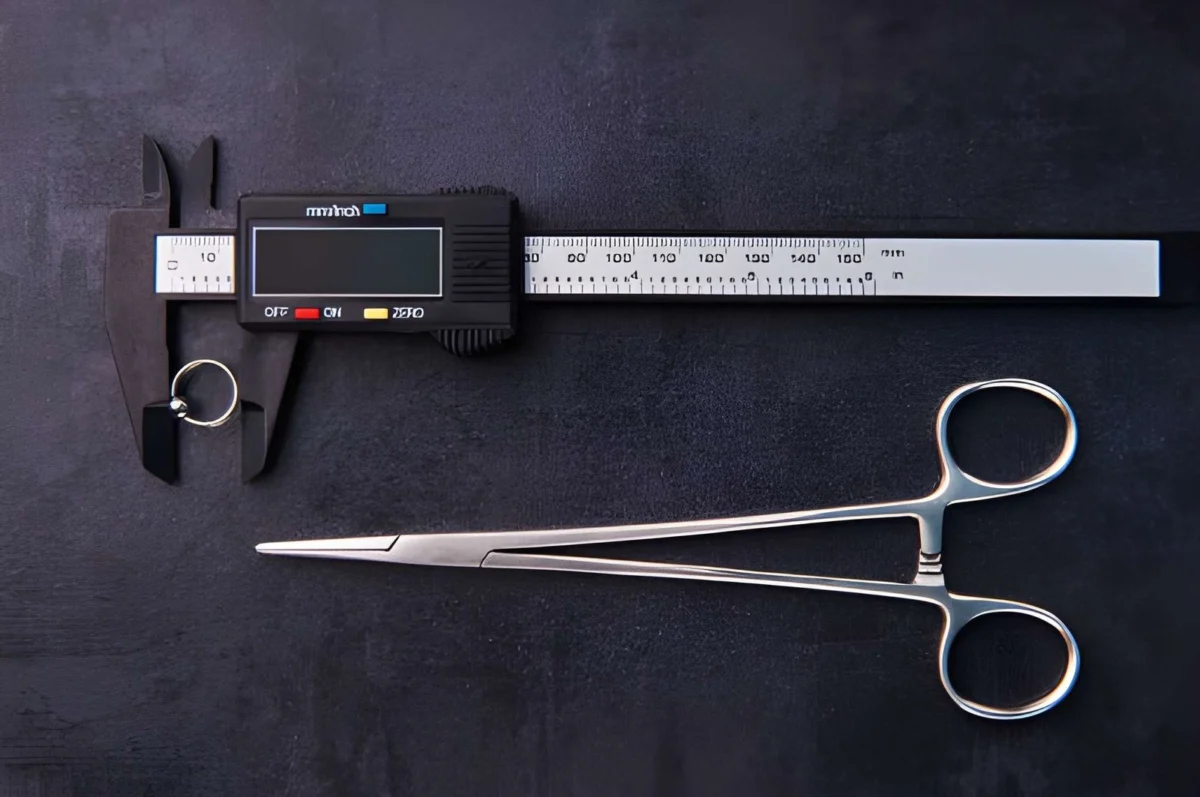

Explore the essential role of surgical calipers in achieving accuracy and consistency in medical procedures. Learn about their types, applications, and common pitfalls.
The Need for Exact Measurement in Procedures
In many medical and surgical fields, achieving precise measurements is not just about neatness; it’s critical for patient safety and successful outcomes. Whether it’s determining the exact depth of an incision, the spacing between anatomical structures, or the size of a lesion, even minor inaccuracies can lead to complications. This is where specialized tools become indispensable.
What Are Surgical Calipers?
Surgical calipers are instruments designed for highly accurate measurement of lengths, depths, and distances. They are particularly useful when visual estimation is insufficient. These tools allow practitioners to quantify dimensions with a high degree of confidence, ensuring that procedures are performed according to plan and that anatomical relationships are maintained or restored correctly.
Deep Dive: Applications and Types of Surgical Calipers
Measuring Tissues and Incisions
The primary function of surgical calipers is to provide objective measurements. In surgery, this might involve:
- Determining the precise length of an incision needed for optimal access or minimal trauma.
- Measuring the depth of a surgical site to ensure instruments reach the target area without damaging surrounding tissues.
- Assessing the spacing between critical anatomical landmarks to avoid injury during complex dissections.
This level of accuracy is vital in fields like neurosurgery, orthopedic surgery, and plastic surgery, where millimeters can make a significant difference.
Assisting with Implant Placement and Prosthetics
In dentistry and reconstructive surgery, calipers play a crucial role in fitting implants, prosthetics, and grafts. They help in:
- Measuring the dimensions of bone ridges for dental implants, ensuring proper fit and stability.
- Assessing the size and shape of defects or areas requiring reconstruction.
- Ensuring that prosthetic devices or implants match the required dimensions for a precise fit.
For practitioners needing reliable instruments for these sensitive applications, it’s important to know where to find them; you can click here for surgical caliper options designed for precision.
Specialized Caliper Designs
Different procedures call for different designs. Some common specialized types include:
- Krekeler Implant Calipers: Often used in dental implantology for measuring bone width and implant size.
- Ridge Mapping Calipers: Specifically designed to map the contours and dimensions of bone ridges.
- Castroviejo Calipers: Known for their fine tips, ideal for very precise measurements in ophthalmic or microsurgery.
Each type is engineered to meet the specific demands of its intended surgical application.
Common Mistakes and Misconceptions
- Relying solely on visual estimation: While experience helps, visual cues can be misleading, especially in complex or deep surgical sites.
- Using worn or damaged calipers: Calipers with bent tips or loose joints will not provide accurate readings, compromising the procedure.
- Not calibrating or zeroing the instrument: Like any measuring tool, calipers need to be properly set before use to ensure accuracy.
- Using the wrong type of caliper: Employing a general-purpose caliper for a task requiring a specialized design can lead to inaccuracies.
- Improper sterilization: While not directly affecting measurement, inadequate sterilization poses a significant risk to patient safety.
Practical Takeaways for Accurate Measurement
To ensure the best results when using surgical calipers, consider these points:
- Understand your caliper’s markings: Familiarize yourself with the scale and how to read it accurately.
- Practice with the instrument: Get comfortable with opening, closing, and holding the caliper before a critical procedure.
- Clean and maintain regularly: Proper cleaning and maintenance ensure longevity and continued accuracy.
- Store them carefully: Protect the delicate tips from damage by storing them in a protective case or tray.
A Practitioner’s Decision-Making Perspective
When selecting surgical calipers, practitioners often weigh several factors. The primary concern is accuracy and reliability, as faulty measurements can have serious consequences. Material quality is also important; durable stainless steel ensures longevity and resistance to corrosion. Ergonomics matter too – a comfortable grip aids in steady handling during long procedures. Finally, the specific needs of the intended surgical specialty will dictate the type of caliper required. For instance, an oral surgeon will have different requirements than a neurosurgeon.
Looking Ahead: Evolving Measurement Technologies
While traditional calipers remain a staple, the field of surgical measurement is continuously evolving. Advancements in digital calipers offer immediate readouts, reducing the chance of reading errors. Furthermore, integration with imaging technologies and navigation systems is becoming more common, providing real-time spatial data. However, the fundamental need for precise, tangible measurement tools like surgical calipers is unlikely to diminish, ensuring their continued relevance in the operating room.
Read more: Navigating the Aftermath: Understanding Your Rights After a Car Accident
Navigating the Aftermath of an ATV Accident in Ottawa
Understanding Toronto Home Equity Loans: A Homeowner’s Guide

Grace Mitchell is a content writer at GrammerWay, focused on English grammar, clear writing, and common language mistakes. She creates simple, reader-friendly guides to help improve writing confidence.
Leave a Comment