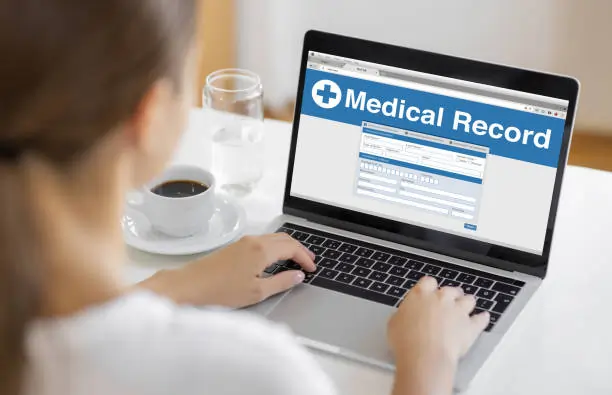

Medical record review remains a fundamental element in ensuring accurate, timely, and effective healthcare. As patient data grows and care becomes more complex, the accuracy and efficiency of medical record review are more crucial than ever. Healthcare providers, payers, and legal entities all rely on comprehensive reviews to support patient outcomes, determine treatment paths, and ensure compliance. Recent technological advancements are dramatically reshaping these processes, introducing new opportunities for accuracy and speed. For those seeking solutions to manage this complexity, specialized medical record review services are becoming increasingly essential.
The digital transformation of this field is driven by technologies like artificial intelligence (AI), natural language processing (NLP), and blockchain. These innovations promise major efficiency gains and error reduction, but they present new challenges around integration and data privacy. As the industry navigates these changes, understanding both the opportunities and hurdles is essential for healthcare organizations aiming to future-proof their practices.
Medical record review supports a range of other functions, including medical research, insurance claims processing, and legal evidence gathering. By updating the methods used for these reviews, healthcare can expect improved workflows and better patient outcomes. Healthcare leaders face the decision to invest in these digital solutions or risk falling behind peers more willing to adapt.
While the need for progress is clear, the pace of adoption varies widely and hinges on organizational priorities, regulatory requirements, and available resources. The following sections provide a comprehensive overview of the current landscape, emerging trends, and the future of this vital healthcare function.
Current Challenges in Medical Record Review
Traditional medical record review is inherently labor-intensive and time-consuming. Clinicians and administrative personnel must comb through hundreds of pages of documentation per patient, often navigating fragmented records from multiple facilities or EHR (Electronic Health Record) systems. This manual process can introduce delays in patient care, increase staff stress, and drive up administrative costs.
Fragmentation and data silos contribute to inconsistencies that threaten patient safety. Mistakes or omissions in reviews can lead to incorrect treatment decisions and complicate legal or insurance matters. Manual processes also increase the likelihood of missing critical anomalies or failing to spot fraudulent activity. According to a recent Health Affairs study, administrative complexity adds billions of dollars in unnecessary costs to the US healthcare system every year.
Emerging Technologies Transforming Medical Record Review
Technology is rapidly modernizing medical record review. Innovations like AI, NLP, and blockchain are poised to overhaul current approaches:
- Artificial Intelligence (AI): AI-driven algorithms process vast quantities of data with high speed and accuracy. By identifying complex patterns and flagging potential errors, AI transforms the way medical reviews support clinical decision-making and compliance. For further reading on how AI influences documentation, the Forbes Tech Council offers insightful analysis.
- Natural Language Processing (NLP): NLP extracts and interprets relevant health information from unstructured notes, charts, and correspondence, drastically reducing manual workload and enabling more reliable data extraction.
- Blockchain Technology: Blockchain solutions add a layer of tamperproof security, ensuring medical records remain confidential and reliable and reducing the risk of unauthorized access or data loss.
Benefits of Technological Advancements
Adopting emerging technologies in medical record review brings tangible advantages that improve healthcare delivery and compliance:
- Efficiency: Automated systems slash review times, clear administrative backlogs, and enable organizations to handle higher volumes of patient data with fewer resources.
- Accuracy: Algorithms apply standardized checks consistently and help detect subtle data discrepancies that a human reviewer could miss.
- Data Security: Blockchain’s decentralized structure creates a more secure environment, protecting sensitive information and ensuring regulatory compliance.
These technologies can also improve interdisciplinary communication by centralizing and harmonizing data for different care providers. As a result, treatment plans are informed by complete, accurate, and up-to-date information from the entire care team.
Challenges in Adopting New Technologies
While the future looks promising, healthcare’s path to widespread adoption is shaped by significant barriers:
- Integration Issues: Many providers still rely on legacy systems, which pose costly, complex integration challenges. Migrating to new platforms while maintaining everyday operations can disrupt workflows.
- Privacy and Compliance: Technological adoption must not compromise patient confidentiality. Navigating HIPAA and emerging privacy regulations requires strict controls, ongoing training, and investment in compliance programs.
- Training and Change Management: Staff need substantial technical training to fully utilize advanced system features, which can challenge resource allocation and organizational culture. Resistance to change and skill gaps may slow adoption rates.
The Role of Third-Party Providers
The expansion of digitization in healthcare has made outsourcing medical record review to specialized third-party providers increasingly appealing. These providers offer advanced technology and dedicated expertise, allowing healthcare organizations to scale efficiently without undertaking the substantial capital investment required for in-house infrastructure. Key advantages of outsourcing include scalability, as these partners can manage changes in review volume, enabling healthcare organizations to remain flexible in response to fluctuating demand. Additionally, third-party firms typically possess cutting-edge tools and platforms, offering clients immediate access to the latest innovations without the burden of ongoing internal maintenance and upgrades. Moreover, experienced providers have established best practices for compliance and security, significantly mitigating the risk of costly audit failures or penalties associated with non-compliance.
Future Outlook
The next generation of medical record review will see even deeper integration of automation, AI, and blockchain technologies. As healthcare data grows and security and accuracy standards rise, early adopters are likely to set new benchmarks for efficiency and quality of care. Forward-thinking organizations will continuously invest in staff development and strategic partnerships to maintain a competitive edge.
Ultimately, improved review processes promise not only administrative savings but also better-informed care and improved healthcare outcomes for patients. By recognizing and preparing for these trends, healthcare providers can ensure that medical record review continues to play its essential role in a rapidly changing industry.
Read more: Best Urgent Care in West Orange: Fast, Reliable Care for Immediate Medical Needs
Boost HVAC Efficiency & Reliability: Precision CNC Machining from Design to Production | Guide
AI Video Summarizer Review: Is This AI Tool Worth Your Time in 2026?

Grace Mitchell is a content writer at GrammerWay, focused on English grammar, clear writing, and common language mistakes. She creates simple, reader-friendly guides to help improve writing confidence.
Leave a Comment