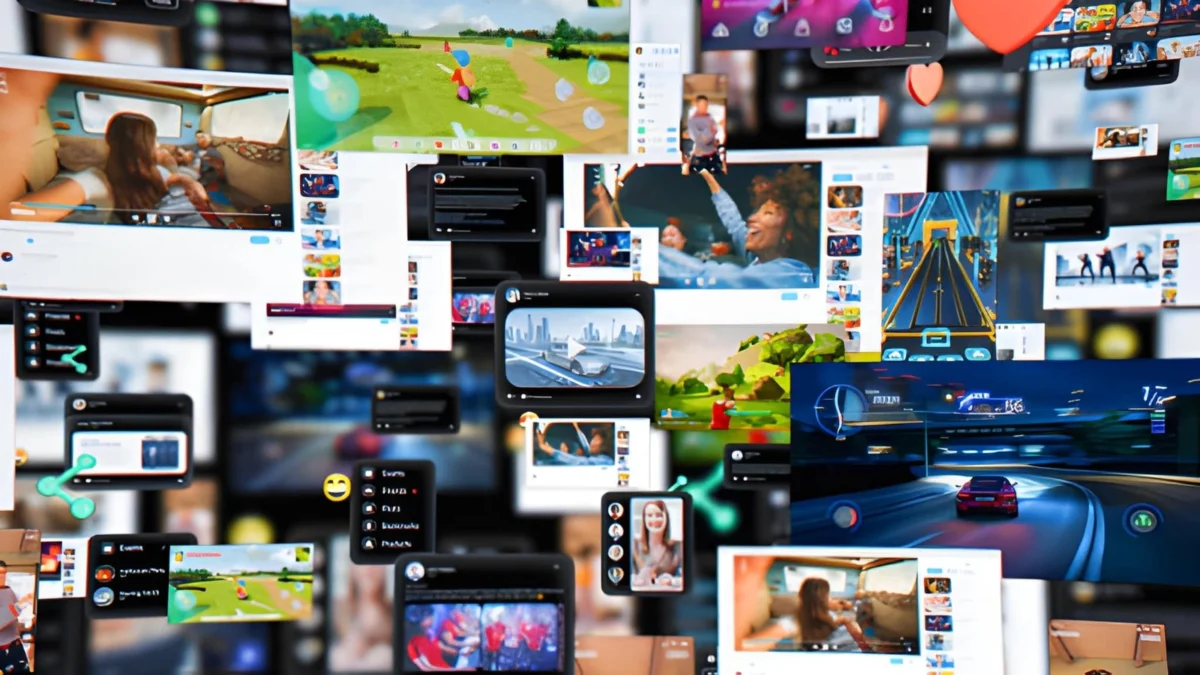

Leisure used to be easier to define. You went to the cinema, watched television, met friends, played a game, read a book, or went out for the evening. Today, entertainment is much more fluid. It moves between phones, laptops, tablets, streaming services, social apps, online communities, mobile games, and interactive platforms.
For many adults, digital leisure is not something separate from daily life. It is part of the routine. It fills a short break between tasks, helps people relax after work or study, and offers quick access to entertainment without much planning.
That change has also made people more selective. They do not just want more content. They want entertainment that is easy to access, simple to understand, enjoyable to use, and flexible enough to fit around busy schedules.
One example of this shift is the rise of casino-style digital entertainment. A social casino is part of a wider trend toward interactive leisure, where people are not only watching or scrolling, but actively participating.
Digital Leisure Is No Longer Just “Screen Time”
People often talk about screen time as if all digital activity is the same. But there is a big difference between answering emails, scrolling without thinking, watching a film, playing a game, reading news, or joining an online community.
Some screen time feels draining. Some feels useful. Some feels social. Some feels genuinely relaxing.
That is why digital leisure needs a more balanced conversation. The question is not only, “How much time are people spending online?” A better question is, “What kind of experience are they having?”
An hour spent jumping between apps may feel tiring. Twenty minutes spent playing a casual game, watching something funny, or joining a meaningful conversation may feel refreshing. The quality of the activity matters.
Why Entertainment Has Become More Interactive
A major change in online entertainment is the move from passive viewing to active participation.
Streaming a show is still popular, of course. But many people also want something they can do, not just something they can watch. This is one reason mobile games, quizzes, live chats, creator communities, polls, fantasy sports, and reward-based platforms have become so common.
Interactive entertainment works because it gives users a role. They make choices. They receive feedback. They explore. They return to see what happens next.
This is also why casino-inspired digital platforms appeal to some adults. They often offer short sessions, simple formats, and a sense of anticipation. The experience is easy to enter and does not require the same time commitment as many traditional games.
The Appeal of Short, Flexible Entertainment
Modern schedules are often messy. Between work, study, commuting, family responsibilities, errands, and social plans, not everyone has a full evening free.
Short-form entertainment fits into this reality.
People may spend ten minutes playing a game, fifteen minutes watching videos, or half an hour exploring a digital platform. These small pockets of leisure have become part of how people unwind.
The best digital platforms understand this. They do not force users into long commitments. They make it easy to start, pause, and return later.
That flexibility is one of the biggest reasons online entertainments continue to grow. It gives people control over when and how they relax.
What Makes a Digital Platform Enjoyable?
A good online entertainment experience is not only about the content. The way the platform feels matters just as much.
Here are a few things users tend to appreciate:
Simple navigation
People should not need a manual to understand where to go or what to do.
Fast access
If a platform is slow or confusing, users usually leave quickly.
Clear rules
Games, rewards, account features, and promotions should be explained in plain language.
Mobile-friendly design
Many people use entertainment platforms from their phones, so the experience needs to work smoothly on smaller screens.
A sense of control
Users should be able to manage notifications, account settings, and time spent on the platform.
Trust
People want to know that a platform is transparent, secure, and responsible.
A platform can look impressive, but if it feels confusing or pushy, the experience quickly loses its appeal.
How Casino-Style Platforms Fit into the Bigger Picture
Casino-style online entertainment is part of the broader move toward quick, interactive leisure. These platforms often combine familiar game formats, visual design, rewards, and short-session play.
For users, the appeal is usually convenience. They can enjoy casino-inspired entertainment without planning a trip or committing to a full night out. It can be part of a short break, a relaxed evening, or a casual digital routine.
Still, the best approach is always intentional. Online entertainment should feel like a choice, not a habit that happens automatically.
That means choosing trusted platforms, reading the rules, setting limits, and treating play as one part of a balanced lifestyle.
A Better Way to Think About Digital Habits
Instead of asking whether online entertainment is “good” or “bad,” it is more useful to ask how it fits into a person’s life.
A healthy digital leisure habit usually has three qualities:
- It has a purpose
The user knows why they are opening the platform. Maybe they want to relax, take a short break, or enjoy something interactive. - It has boundaries
There is some sense of time. The session does not simply continue until the evening disappears. - It feels good afterward
Good entertainment should leave people feeling rested, amused, engaged, or satisfied — not irritated, drained, or distracted.
These three points can apply to almost any digital activity, from streaming to gaming to social media.
Simple Ways to Make Online Leisure More Enjoyable
Digital entertainment works best when it is used with a little intention. That does not mean making it serious. It simply means creating better habits.
Try these practical steps:
- Choose one activity at a time
Watching a show while scrolling and answering messages usually feels less satisfying than focusing on one thing. - Set a natural stopping point
This could be one episode, one game session, or a set time limit. - Turn off unnecessary alerts
Constant notifications make it harder to relax. - Use trusted platforms
Look for clear terms, secure access, responsible play resources, and helpful support. - Avoid playing or browsing when stressed
Entertainment can help you unwind, but it should not become a way to avoid dealing with bigger problems. - Take screen breaks
Stand up, stretch, drink water, and give your eyes a rest. - Keep offline activities in the mix
Digital leisure is better when balanced with sleep, movement, friends, hobbies, and time away from screens.
Common Mistakes People Make with Digital Leisure
Even enjoyable platforms can become less satisfying when used without thought. Here are common habits to watch for:
- Opening apps automatically without deciding what you want to do.
- Letting short sessions turn into much longer ones.
- Ignoring privacy or account settings.
- Clicking promotions without reading the details.
- Using entertainment while also trying to work or study.
- Choosing platforms only because of flashy design.
- Forgetting to take breaks.
- Treating digital rewards as the main reason to play.
- Using online entertainment as the only way to relax.
- Staying up later than planned because content keeps going.
These mistakes are easy to make because digital platforms are built to be engaging. A little structure helps keep the experience positive.
FAQ
What is digital leisure?
Digital leisure is entertainment or relaxation that happens through online platforms, apps, games, streaming services, social media, or digital communities.
Why has online entertainment become so popular?
It is convenient, flexible, and available from devices people already use every day. It also fits into short breaks and busy routines.
What makes interactive entertainment different from passive entertainment?
Passive entertainment is mainly watched or consumed. Interactive entertainment asks users to participate, make choices, or respond to the platform.
Can casino-style digital platforms be part of balanced leisure?
Yes, when used responsibly. Adults should choose trusted platforms, understand the rules, set time limits, and treat play as entertainment.
How can people avoid spending too much time online?
Set a time limit, choose one activity, turn off unnecessary notifications, and create a clear stopping point before starting.
Final Thoughts
Digital leisure has changed the way people relax. Entertainment is now more flexible, more interactive, and more personal than it used to be. Whether someone is watching a show, playing a casual game, joining an online community, or exploring casino-style entertainment, the best experiences are the ones that feel clear, enjoyable, and controlled.
Key takeaways:
- Digital leisure is about quality, not just time spent on screens.
- Interactive platforms are popular because they give users a more active role.
- Short, flexible entertainment fits modern routines.
- Trust, clarity, and responsible design matter.
- Better digital habits make online entertainment more enjoyable.
A good next step is simple: choose entertainment with intention. Pick platforms that feel trustworthy, set healthy limits, and make sure your digital leisure adds something positive to your day.
Read more: Top 5 Enterprise Data Extraction Software for Smart Document Processing
How Portable Classrooms Support Flexible Learning Environments
Remake Renaissance: How Game Remakes Balance Nostalgia and Innovation

Grace Mitchell is a content writer at GrammerWay, focused on English grammar, clear writing, and common language mistakes. She creates simple, reader-friendly guides to help improve writing confidence.
Leave a Comment