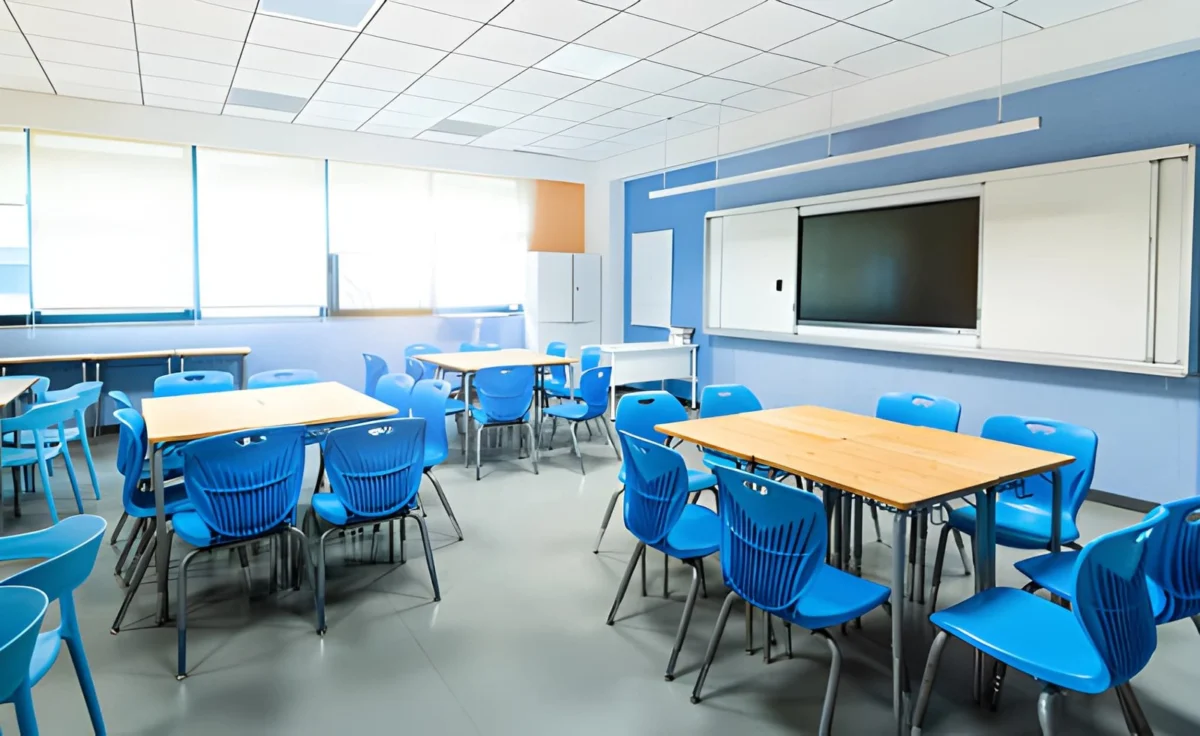

Modern school districts have evolved beyond conventional buildings to include portable classrooms. These structures provide schools with additional functional space without requiring lengthy construction schedules. Portable classrooms also support phased campus development while allowing schools to continue daily operations during renovations or expansion projects. Here’s how portable classrooms support flexible learning environments:
Accelerating Classroom Deployment
Renovation projects, storm damage, and population growth can create urgent space demands in a school district. Construction timelines influence how institutions respond to such shifting space needs across campuses. Mobile classrooms are deployed within a shorter timeline than conventional buildings, helping schools respond quickly to urgent space needs.
Because they are fabricated off-site, modular structures separate manufacturing from site work, allowing production to continue despite on-site conditions or weather delays. Prefabricated sections reduce on-site assembly time, and installation crews work on prepared foundations with minimal disruption to surrounding school buildings. When districts coordinate site preparation in advance, modular units connect to existing utilities without significant interruptions to the academic schedule. Portable classrooms also give districts flexibility beyond the initial installation. Some institutions redeploy units across campuses as enrollment patterns shift, extending facility use without triggering new construction cycles.
Adapting To Enrollment Growth
When enrollment grows faster than your district’s construction plans, modular buildings allow you to add classroom space without committing to a years-long build. Mobile classrooms come in various layouts, so you can choose a plan that aligns with your space needs. Modular structures also give districts the flexibility to scale as enrollment numbers become clearer. As actual enrollment develops, your district may adjust units rather than commit to a permanent building based on its projections. Most providers offer temporary portable classrooms and permanent modular solutions, making these constructions suitable for both short-term spikes and long-term expansion.
Customizing Multi-Use Learning Spaces
Portable classrooms accommodate more than traditional desk-and-chair instruction. Interior layouts are designed to your specifications, so the space reflects how your staff and students actually use it. Depending on your needs, you can include desks and lab tables for science instruction or open the floor plan for collaborative group work.
Although classrooms are the most common application, modular buildings work equally well for supporting spaces, including laboratories and libraries. Modular labs provide science and technical programs with dedicated space to operate; libraries offer functional workspaces that support both independent research and group learning. Cafeterias and dining halls extend the modular space, supporting both extracurricular activities and campus events. Locker rooms are available in multiple configurations for athletic and performing arts programs.
Integrating With Existing Campuses
Campus appearance often matters to school communities and district leadership. When a modular addition looks out of place, it draws attention away from the learning environment it was meant to support. Exterior customization options include metal roofing and coordinated panel systems. Such features allow a modular building to integrate seamlessly with existing campuses. Modern modular buildings are designed to complement existing architecture, and they hold up to the same aesthetic scrutiny as brick-and-mortar structures. Pit-set foundations give a structure the look of an on-grade building. Interiors use materials like kinetic carpet, elevated ceilings, and custom cabinetry that support daily school use.
Supporting Accessible Learning Environments
Access shapes participation. When a student or staff member cannot physically access a classroom due to barriers at the door, the learning environment has already failed to meet basic standards of accessibility. Portable classrooms are built to meet ADA requirements for public school buildings.
Accessible features should be integrated into the design from the start. Ramps, wide doors, wide aisles, and accessible bathrooms are among the features your team is able to incorporate into a modular classroom. Incorporating these elements during the design process may result in more effective outcomes than making modifications after the system is already in place.
Upgrade With Portable Classrooms
School districts continue adjusting classroom layouts as instructional methods, enrollment patterns, and campus requirements change over time. Portable classrooms support these transitions because schools can configure them at any location and for different operational needs. Many modular buildings now include technology infrastructure, accessibility features, and flexible interior layouts that align with modern educational environments. Start your search for a reputable vendor to learn more about the available portable classrooms they offer and the available add-on features.
Read more: Remake Renaissance: How Game Remakes Balance Nostalgia and Innovation
Affordable Dental Care | Spencer Dental Colonial Heights, VA
The Ultimate UGG Slippers Guide: Comfort and Style

Grace Mitchell is a content writer at GrammerWay, focused on English grammar, clear writing, and common language mistakes. She creates simple, reader-friendly guides to help improve writing confidence.
Leave a Comment