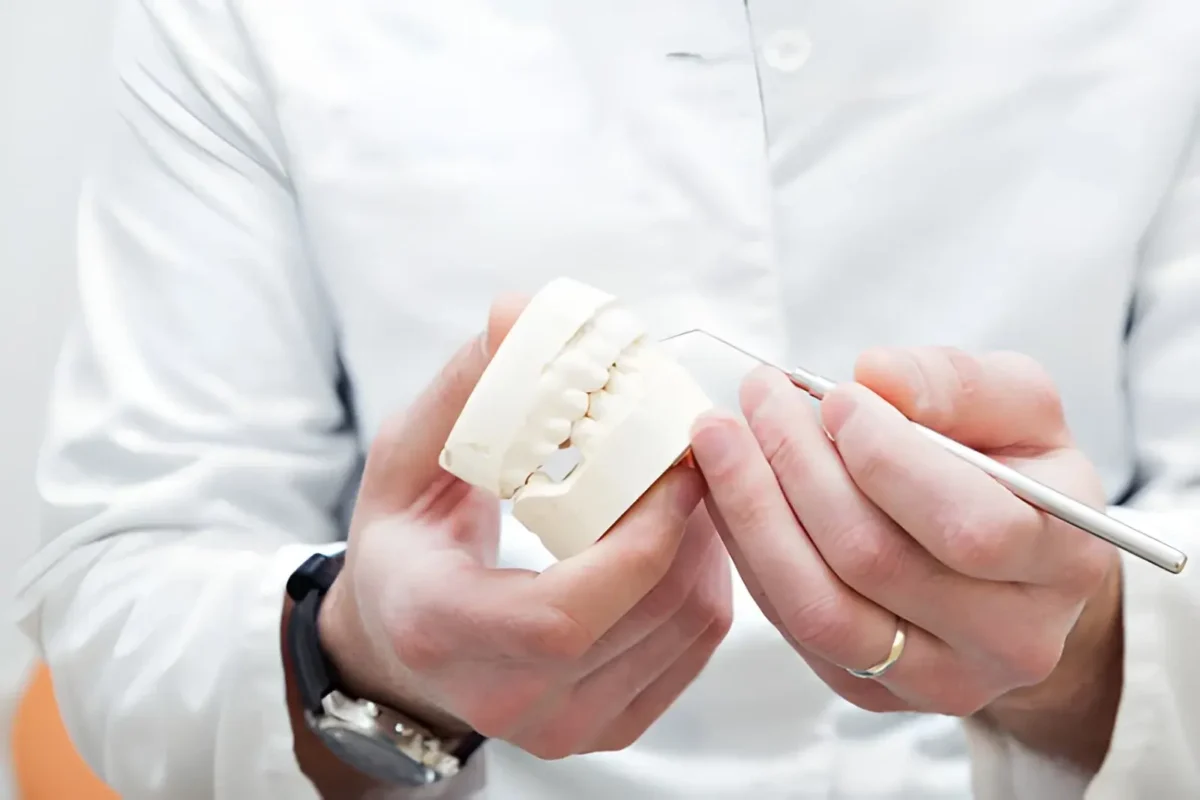

Clear aligners appeal to people who want orthodontic treatment that fits into an established routine. Their discreet appearance is convenient, but successful treatment still involves daily planning and consistent habits. Meals, cleaning, travel, and changes in comfort can all affect how manageable the process feels. A few practical systems can make those everyday responsibilities easier to handle.
Make Removal and Reinsertion Part of a Routine
Clear aligner trays generally need to be removed for eating and for most drinks other than plain water, according to the treating professional’s instructions. That means patients may take them out and put them back several times each day. Trying to manage the process in a hurry can be frustrating, particularly when trays fit tightly. Clean hands, a suitable storage case, and enough time for meals can help establish a smoother routine.
Some patients use accessories to make handling their trays easier. A removal and chewie tool for Invisalign and other aligner systems combines an aid for removing trays with a feature intended to help seat aligners. Forcing a tray or using improvised sharp objects may damage the appliance or irritate oral tissues. If an aligner repeatedly fails to fit properly, it’s important to seek out professional advice instead of trying to force it into place.
Build Meals Around the Recommended Wear Schedule
Clear aligner treatment typically involves a daily wear-time target established by the orthodontic provider. Frequent snacking can make that target harder to meet because every eating occasion adds removal, cleaning, and reinsertion. Some patients find it helpful to plan meals and snacks at more predictable times. The aim is not to encourage restrictive eating but to make room for both appropriate nutrition and treatment instructions.
Patients should also understand the rules for beverages while trays are in place. Colored or sugary drinks can become trapped near teeth, potentially increasing staining or decay concerns, and hot drinks may affect certain aligner materials. Plain water is generally the safest option while wearing trays, but specific instructions should come from the treating professional. A convenient water bottle can make this habit easier during long days.
Keep Oral Hygiene Simple but Consistent
Orthodontic treatment makes ordinary oral hygiene especially important because teeth spend much of the day covered by appliances. Food particles and plaque left on teeth before reinserting trays may remain in close contact with enamel. Brushing and cleaning between teeth as recommended can help reduce that problem. Dental professionals may adjust instructions to account for individual risk factors and existing dental conditions.
Cleaning the aligners themselves is a separate task from cleaning teeth. Patients should follow product-specific instructions because hot water, harsh cleaners, and abrasive techniques can damage some materials. A soft brush or manufacturer-approved cleaning method may be appropriate depending on the appliance. Rinsing and storing trays correctly can also reduce unpleasant odors and buildup.
Know Which Discomforts Deserve Attention
A feeling of pressure when beginning a new set of aligners can be part of the treatment experience. The intensity and duration vary, and patients should follow their provider’s instructions for managing discomfort. Persistent severe pain, cuts, significant swelling, or an appliance that cannot be worn comfortably should prompt professional advice. Symptoms should not be ignored simply because orthodontic treatment sometimes causes soreness.
Aligner edges can occasionally irritate the lips or cheeks, especially during an adjustment period. Patients should avoid modifying appliances without guidance because changing their shape may affect treatment. A clinician can determine whether smoothing, replacement, or another adjustment is appropriate. Getting advice early may prevent a small problem from interfering with daily wear.
Prepare for School, Work, and Travel
Treatment becomes easier when supplies are available wherever meals and daily activities happen. A spare case is useful because wrapping trays in napkins can lead to accidental disposal. People who travel frequently may also need a reliable way to follow their provider’s schedule for changing aligners. Keeping written or digital instructions accessible reduces guesswork away from home.
Workdays can be unpredictable, particularly for people with long meetings, public-facing jobs, or limited bathroom access. Choosing a discreet storage location and planning a realistic cleaning routine can help. In situations where brushing is temporarily impractical, patients should ask their dental team for appropriate guidance rather than inventing a risky workaround. Treatment plans work best when they account for the person’s actual schedule.





Leave a Comment