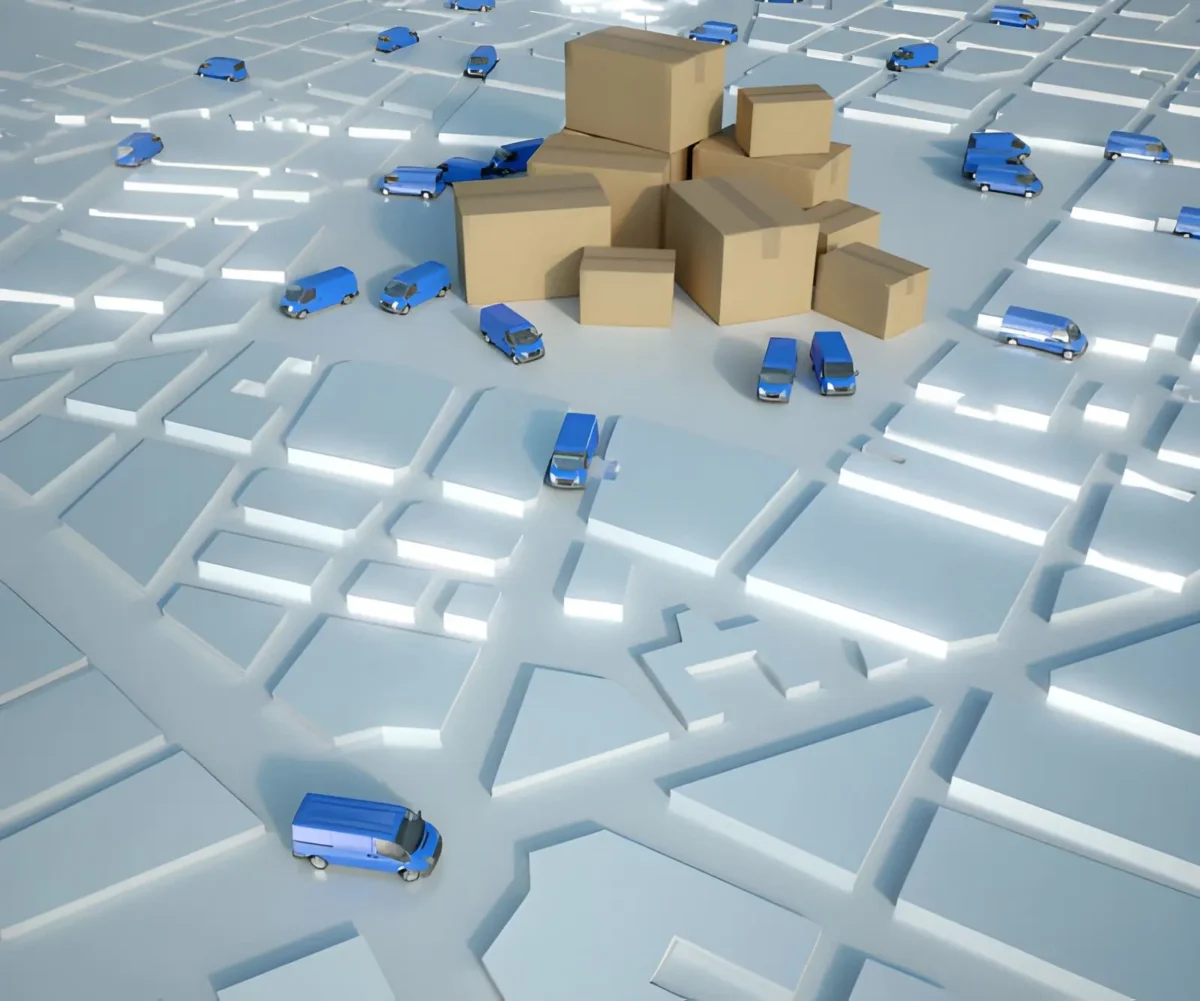

Carrier coordination sits at the center of every final mile delivery operation. Yet, most enterprise networks still run on spreadsheets, phone calls, and disconnected regional portals that never talk to each other. This fragmentation drives up delivery costs, creates inconsistent service quality across carrier tiers, and leads directly to SLA breaches that dispatchers only discover after a customer complaint.
Modern final mile delivery solutions were built to close that exact gap, replacing manual coordination with a unified visibility layer across every carrier network an enterprise depends on. Without a structured coordination framework, dispatchers spend hours reconciling performance data instead of resolving live exceptions on the road.
Let’s examine why carrier coordination breaks down at scale, how final mile delivery solutions solve it, and what enterprises need before deploying one.
Why Final Mile Delivery Solutions Struggle With Carrier Coordination at Scale
Most carrier coordination failures trace back to five recurring gaps. These issues compound quickly as networks expand across regions, service levels, and carrier tiers.
Fragmented Carrier Data Across Disconnected Systems
Carrier data often sits across separate spreadsheets, portals, TMS modules, emails, and partner dashboards. This forces dispatchers to reconcile information manually before making routing, tendering, or escalation decisions.
Inconsistent SLA Enforcement Across Regional Partners
Each carrier may report compliance differently, making performance comparison difficult across the network. Without one accountability standard, operations teams struggle to identify which partners protect OTIF and which create recurring SLA risk.
Manual Onboarding Slows Carrier Network Expansion
Adding a new regional or gig carrier often requires manual contract entry, service mapping, rate setup, and system configuration. This slows network expansion when demand spikes or new delivery zones need faster coverage.
No Real-time Visibility Into Carrier Capacity or Delays
Dispatchers often learn about missed pickups, capacity shortfalls, or route delays after the delivery window has already slipped. Final mile delivery solutions need live capacity visibility to support faster carrier intervention and same-shift recovery.
Rate Negotiation Happens in Silos, not at Network Scale
Without consolidated volume, cost, and performance data, teams lose leverage during regional and national carrier negotiations. Network-wide visibility helps logistics leaders negotiate from evidence instead of a fragmented shipment history.
How Final Mile Delivery Solutions Solve the Carrier Coordination Problem
Effective coordination requires one execution layer connecting planning, dispatch, tracking, recovery, and analytics. The strongest platforms allocate work intelligently, monitor execution continuously, and improve performance using carrier-level evidence across the network.
Unified Control Tower Execution
A control tower gives operations teams one live view of routes, carriers, drivers, exceptions, and SLA exposure. It combines GPS data, scan events, carrier feeds, geofencing triggers, and driver app updates in real time.
This helps dispatchers compare planned movement with actual execution while routes are still active. Final mile delivery solutions become more valuable when visibility supports action, not only reporting.
Rate-based Carrier Allocation
Rate-based carrier routing evaluates cost, capacity, location, and performance before assigning a shipment. It prevents overuse of premium carriers when lower-cost compliant partners can meet the same delivery promise.
It also avoids low-cost carriers with weak OTIF, poor PoD compliance, or slow exception response. Final mile delivery solutions should treat carrier allocation as a live optimization problem, not a fixed routing rule.
Automated Exception Management
Exceptions often begin with missed scans, route drift, failed access, dwell time, or ETA variance. A modern platform should detect these signals automatically and trigger alerts based on configurable SLA thresholds.
Recovery workflows can include resequencing, customer notification, supervisor escalation, carrier intervention, or same-shift reattempt planning. Final mile delivery solutions that automate exception workflows reduce dispatcher workload and improve same-shift recovery rates.
Standardized Integrations and Scorecards
Carrier coordination depends on stable API, EDI, webhook, and TMS integrations across the logistics stack. These connections should support tendering, tracking events, delivery milestones, PoD capture, invoicing, and claims workflows.
Carrier scorecards should track OTIF, FADR, scan compliance, exception response, PoD quality, cost-per-stop, and customer feedback. Final mile delivery solutions should make carrier governance evidence-based, repeatable, and visible across stakeholders.
Implementation Best Practices For Carrier Coordination
Successful implementation requires more than adding carriers into a routing engine. Enterprises should build a carrier operating model that supports scale, consistency, and continuous improvement from day one.
Audit Carrier Data First
Clean carrier IDs, service regions, rate cards, SLA rules, cutoff times, and integration formats before rollout begins.
Define Final Mile Carrier Tiers Clearly
Separate owned fleets, contracted carriers, parcel providers, and overflow partners using specific allocation and escalation rules.
Connect Core Logistics Systems
Integrate TMS, OMS, WMS, carrier systems, driver apps, CRM, and billing workflows before live dispatch.
Configure Exception Rules
Set thresholds for missed scans, late ETAs, failed attempts, route drift, capacity breaches, and POD delays.
- Pilot High-volume Lanes
Start with lanes where carrier fragmentation creates measurable cost, visibility, or SLA problems during daily execution.
Train Dispatchers on the Control Tower use
Shift teams from manual follow-up to exception prioritization, carrier escalation, and recovery management.
Review Carrier Performance Weekly
Use planned-versus-actual analytics to refine carrier allocation, service zones, route rules, and SLA thresholds.
Build a Coordinated Final Mile Delivery Network Before Complexity Scales
Carrier coordination is no longer an administrative task managed after routes are created. It is a core execution capability that determines cost, customer trust, SLA performance, and network resilience. Final mile delivery solutions help enterprises connect carrier allocation, visibility, exception management, customer communication, and performance governance inside one workflow.
That coordination reduces manual work while giving dispatchers better control during live delivery execution across every partner. With technology partners such as FarEye, enterprises can align AI-based routing, real-time control tower visibility, carrier intelligence, and predictive exception management at scale.
The result is a final mile network that manages outcomes across every carrier tier, not just route plans. As delivery volumes rise and carrier networks become more fragmented, coordination becomes the difference between scalable performance and recurring execution failure.
Also Read-Innovative Technologies in Metalworking Equipment





Leave a Comment