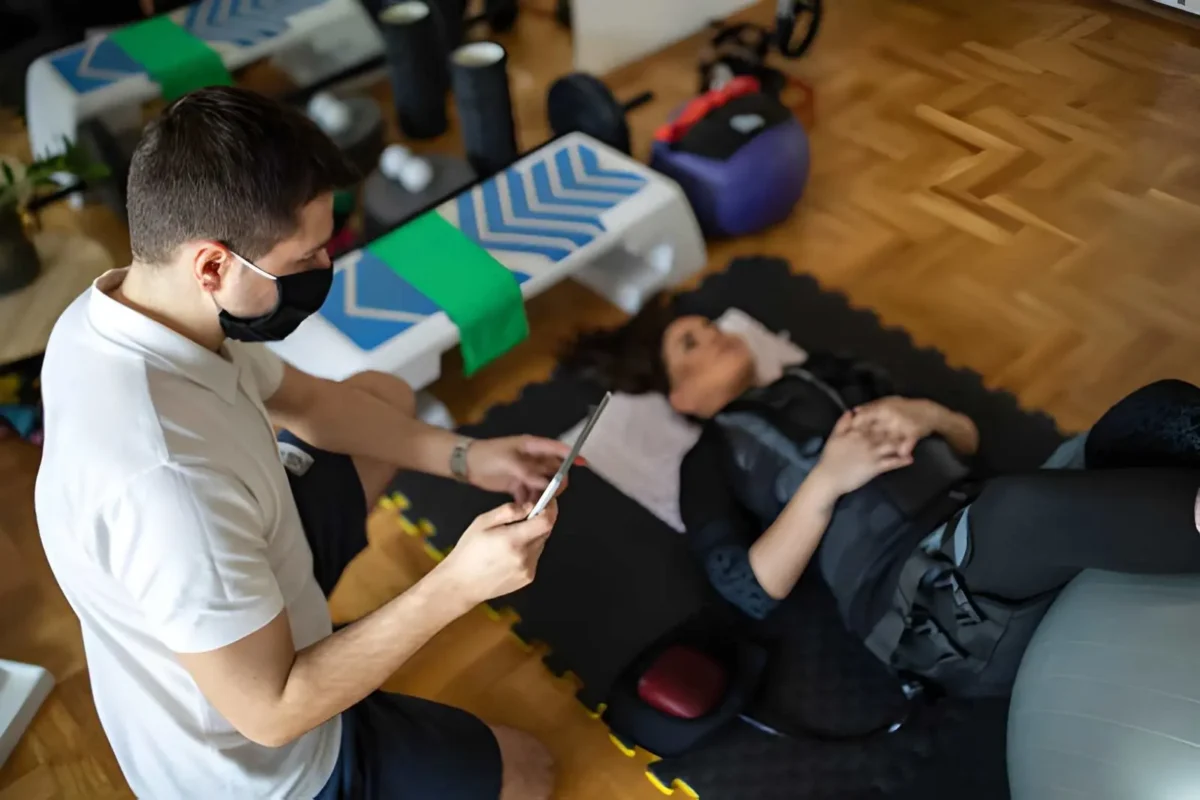

Mobile occupational therapy is an innovative approach that brings essential therapeutic services directly to clients in their own environments. This method is particularly beneficial for individuals who face challenges accessing traditional clinic-based therapy due to mobility issues, transportation difficulties, or other constraints. By delivering tailored occupational therapy services at home or other convenient locations, mobile occupational therapy enhances accessibility and promotes better health outcomes.
Understanding Mobile Occupational Therapy
Occupational therapy focuses on enabling individuals to participate fully in daily activities through therapeutic techniques that improve physical, cognitive, and emotional functions. Mobile occupational therapy extends these services beyond the clinic, allowing therapists to assess and address the unique needs of clients within their living or working spaces. This personalised approach ensures that therapy is relevant and practical, directly addressing the environmental factors that impact the client’s functionality.
Benefits of Mobile Occupational Therapy
The primary advantage of mobile occupational therapy is its convenience. Clients receive professional care without the need to travel, reducing stress and saving time. This is especially important for elderly clients, those recovering from surgery, or individuals with disabilities. Additionally, therapists can observe the client’s environment firsthand, enabling more accurate assessments and customised intervention plans.
Mobile occupational therapy also supports continuity of care. Clients may experience fewer interruptions in their therapy schedules, which is critical for achieving optimal recovery and maintaining progress. The flexibility of scheduling sessions in familiar surroundings often results in increased client engagement and motivation.
Who Can Benefit from Mobile Occupational Therapy?
Mobile occupational therapy is suitable for a wide range of individuals, including children with developmental delays, adults recovering from injury or illness, and seniors managing chronic conditions. It is particularly effective for clients with limited mobility or those living in rural or remote areas where access to healthcare facilities is restricted.
Services Provided Through Mobile Occupational Therapy
Therapists delivering mobile occupational therapy offer a comprehensive range of services. These include assessments of home safety and accessibility, training in the use of assistive devices, cognitive rehabilitation, and strategies to improve daily living skills. The therapy may also address vocational rehabilitation and support for mental health challenges related to physical disabilities.
How Mobile Occupational Therapy Works
The process typically begins with an initial consultation to understand the client’s needs and goals. The therapist then conducts an in-depth assessment in the client’s environment, identifying barriers and opportunities for improvement. Based on this assessment, a personalised therapy plan is developed and implemented during subsequent visits.
Therapists use a variety of techniques and tools to facilitate progress, including exercises, adaptive equipment, and environmental modifications. Regular monitoring and adjustments ensure that the therapy remains effective and aligned with the client’s evolving needs.
Role of Technology in Mobile Occupational Therapy
Advancements in technology have enhanced the delivery of mobile occupational therapy. Therapists may utilise mobile devices to document sessions, communicate with other healthcare providers, and access resources in real time. Telehealth options can complement in-person visits, providing additional support and flexibility for clients.
Challenges and Considerations
While mobile occupational therapy offers many benefits, it also presents challenges. Therapists must adapt to varying environments and ensure that interventions are safe and effective outside the controlled clinic setting. Scheduling and travel logistics can require careful planning to maximise efficiency and client satisfaction.
Choosing a Mobile Occupational Therapy Provider
Selecting a qualified and experienced provider is crucial for successful outcomes. Clients should seek therapists who are registered and have specialised training in occupational therapy. Providers offering mobile services should demonstrate flexibility, professionalism, and a commitment to personalised care.
For those interested in exploring mobile occupational therapy, mobile occupational therapy services can be a valuable resource. These services are designed to meet diverse needs and support clients in achieving greater independence and quality of life.
Conclusion
Mobile occupational therapy represents a significant advancement in healthcare delivery, making essential therapeutic services more accessible and tailored to individual needs. By bringing therapy directly to clients, it overcomes barriers related to mobility and geography, fostering improved health outcomes and enhanced daily functioning.
As healthcare continues to evolve, mobile occupational therapy is poised to play an increasingly important role in supporting clients across various populations. Its emphasis on personalised, environment-specific care ensures that therapy is both practical and effective, ultimately empowering individuals to lead more fulfilling lives.
Also Read-Innovative Technologies in Metalworking Equipment







Leave a Comment