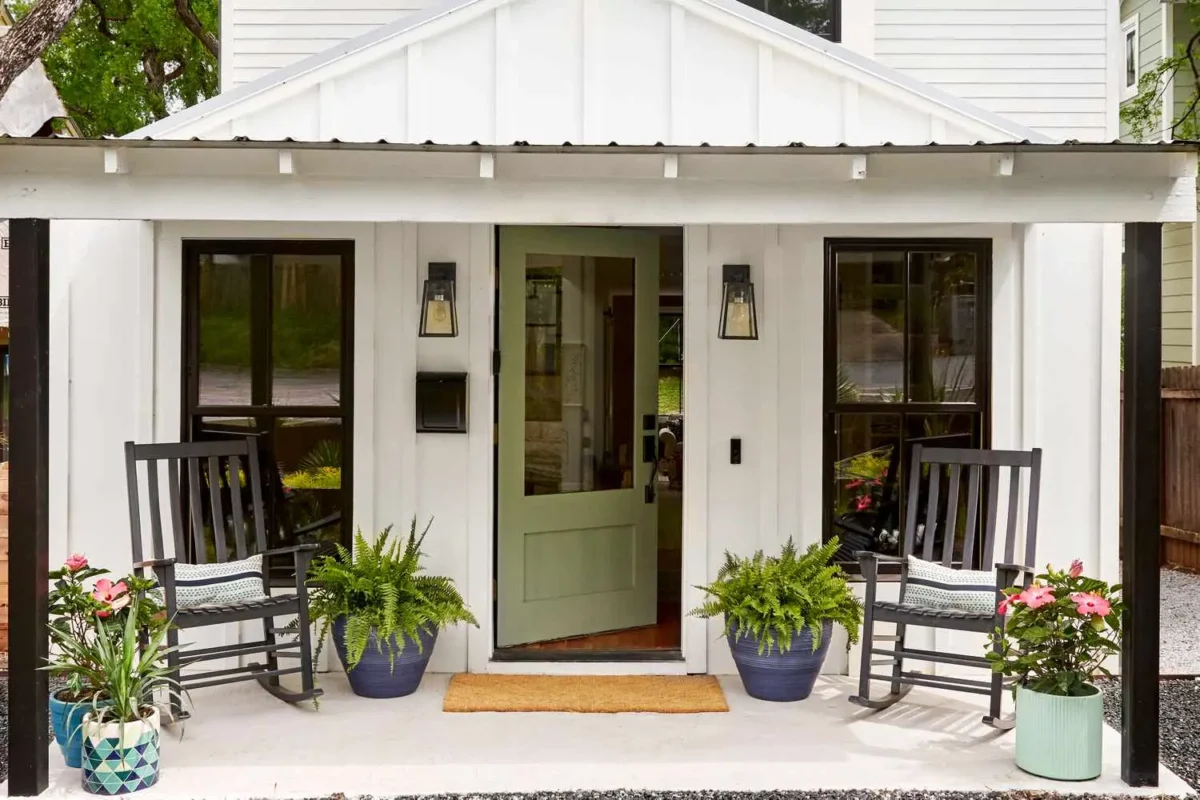

Exterior painting in Springdale is about more than choosing a color that looks good on a paint chip. Local heat, humidity, rain, pollen, and fast-changing weather can affect how coatings adhere, dry, and age. Homeowners who are comparing painters Springdale AR, can consider Schneider Painting, a family-owned Northwest Arkansas painting company whose Springdale service page covers residential and commercial painting, including exterior coatings, drywall repair, cabinet work, and texture services for properties in Springdale and nearby communities.
The strongest results usually begin before the first gallon of paint is opened. A careful inspection, repairs to moisture-damaged areas, appropriate primers, and a realistic weather window can make a major difference in how long the finish protects the home.
Why Springdale Weather Matters
Paint is a protective coating, but it still reacts to its environment. Strong sun can fade exposed darker colors and make siding or trim hot enough to complicate application. Humidity can slow drying, while rain or heavy dew can interfere with adhesion if it reaches a fresh coating too soon. Spring storms also leave behind windblown dirt, pollen, and moisture that need to be removed before painting.
Local conditions help explain why planning matters. The Springdale climate information lists average annual rainfall of about 46 inches, an average summer temperature near 89 degrees, and an average winter temperature near 44 degrees. Those conditions make it especially important to assess the actual forecast and the surface temperature, not just the air temperature.
How To Check A Home’s Exterior
Walk around the home in daylight before requesting estimates or buying materials. Look closely at areas that receive the most sun, weather, and roof runoff. Peeling, bubbling, cracking, chalky residue, faded patches, and mildew stains are all signs that the existing coating needs more than a quick cover-up.
Inspection Checklist
- Press gently on wood siding, fascia, soffits, deck boards, and trim to identify soft or rotted areas.
- Check caulk around windows, doors, vents, corner boards, and trim joints for cracks or gaps.
- Look for algae, mildew, pollen buildup, dirt, and water staining.
- Inspect brick and mortar for cracks, open joints, or signs of moisture intrusion.
- Confirm that gutters and downspouts direct water away from walls and foundations.
The Prep Work That Makes Paint Last
Paint cannot permanently hide a dirty, wet, loose, or damaged surface. Proper preparation is a sequence of tasks that creates a stable base for the finish coat. The exact process varies by material, but the basic order is consistent.
- Wash the siding, trim, or masonry with a surface-safe method.
- Allow the exterior to dry completely.
- Scrape loose paint and sand or feather rough edges.
- Repair damaged wood, siding, trim, or mortar.
- Remove and replace failing caulk where joints need flexibility.
- Prime bare wood, repaired areas, stains, and other surfaces that require it.
- Protect landscaping, windows, walkways, vehicles, and outdoor furniture.
- Apply finish coats only when conditions meet the product instructions.
For example, peeling trim may point to failed caulk, exposed end grain, or rotted wood. Applying another coat without correcting those problems can create a temporary improvement, but the new paint may fail early.
Choosing Paint For Different Surfaces
One coating system does not fit every exterior surface. Product selection should account for the substrate, previous coatings, sun exposure, moisture conditions, and manufacturer guidance.
- Fiber cement siding: Requires a clean surface, compatible caulk, and a coating that meets the manufacturer’s finish requirements.
- Vinyl siding: Requires attention to color selection, as overly dark shades can absorb more heat, leading to expansion or warping.
- Wood siding: Benefits from moisture control, sound repairs, primer on bare areas, and sealing of vulnerable edges.
- Brick: Should receive a masonry-compatible coating that does not trap moisture within the wall assembly.
- Trim and doors: Often need a tougher finish because they receive frequent handling and concentrated exposure to weather.
Warm neutrals, muted greens, soft whites, and charcoal accents can work well with many Springdale home styles. Test large samples on multiple sides of the house before deciding. Morning sun, afternoon sun, shade, and surrounding landscaping can noticeably change a color’s appearance.
The Best Time To Paint In Springdale
The best time to paint is not simply a season on the calendar. It is a stretch of suitable conditions that gives surfaces time to dry and each coat time to cure. Avoid painting wet siding, damp wood, or surfaces affected by rain, heavy dew, high humidity, or sudden temperature swings.
Work can often be sequenced around direct sunlight by starting on shaded walls and moving as conditions change. A professional should confirm the forecast, surface temperature, moisture level, and coating instructions before starting. This approach is more reliable than promising the same timeline for every home.
Extra Care For Older Homes
Older homes deserve a more deliberate inspection because layers of old paint can conceal repairs, moisture damage, or lead-based paint. If paid work will disturb painted surfaces in a home built before 1978, the federal Renovation, Repair, and Painting rule may apply. Homeowners should ask whether the contractor uses appropriate containment, cleanup, and certified lead-safe practices when required.
What To Ask A Painting Contractor
- What are washing, scraping, sanding, priming, and caulking included?
- How are damaged wood, siding, trim, or masonry repairs handled?
- How many coats are planned, and which products will be used on each surface?
- How will landscaping, windows, outdoor furnishings, and walkways be protected?
- Who handles cleanup, debris disposal, and weather-related schedule changes?
- Is insurance information available, and are the warranty terms included in the estimate?
- For an older home, does the scope address lead-safe work practices when applicable?
A Simple Exterior Paint Maintenance Plan
A new finish lasts longer when small problems are addressed early. Each season, inspect for failed caulk, peeling paint, staining, cracks, and new damage around trim or gutters. After major storms, check exposed corners, siding, roof edges, and downspouts. Once or twice a year, rinse away dirt and pollen with a cleaning method appropriate for the surface.
Every few years, pay extra attention to south-facing walls, doors, deck coatings, and trim that receive strong sun. Before repainting, correct leaks, drainage issues, rot, or masonry cracks. Paint should protect a sound surface, not seal in an active moisture problem.
Final Thoughts
A successful exterior painting project in Springdale depends on matching preparation, materials, color, and scheduling to the home’s condition and local weather. A thorough inspection and detailed written scope can help homeowners avoid rushed choices, reduce maintenance issues, and support a finish that looks good for years.
Also Read-Innovative Technologies in Metalworking Equipment







Leave a Comment