
Key Takeaways
- An as-is sale allows a homeowner to list or transfer a property without completing a repair project first.
- Texas disclosure obligations can still apply even when the contract says the home is being sold as-is.
- Buyers may inspect the home and may request concessions, repairs, or a lower price.
- The right choice depends on likely net proceeds, timeline, property condition, and holding costs.
- Farmers Branch sellers should review every offer for contingencies, closing expenses, deadlines, and possession terms.
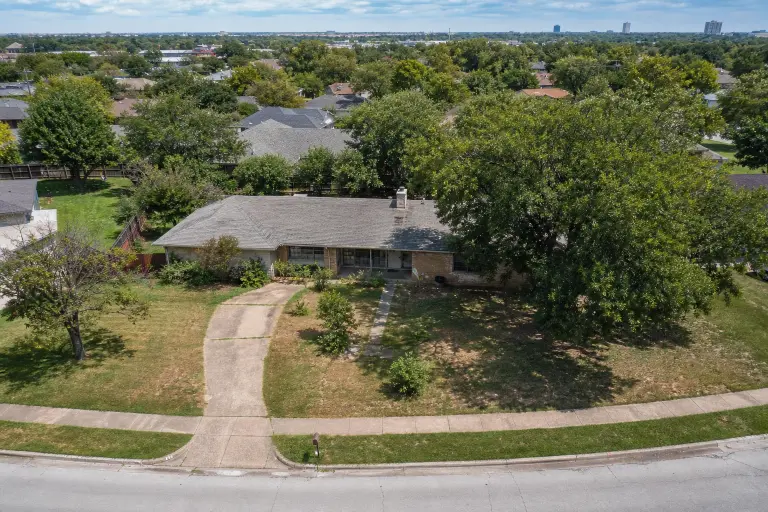
Selling a home in its present condition can be a practical choice when repairs are too expensive, time-consuming, or disruptive. Whether the property needs major work or simply has not been updated, Farmers Branch homeowners who want to sell my house for cash in Farmers Branch, TX should understand what an as-is sale does, and does not, accomplish.
An as-is sale generally means the seller is offering the property in its current condition and does not intend to complete repairs, renovations, or cosmetic upgrades before closing. It does not eliminate the need for an enforceable contract, a clear title, or honest communication about known property conditions.
What an As-Is Sale Actually Means
In a typical as-is transaction, the buyer agrees to evaluate the home as it stands at the time of the agreement. The seller is not promising to install new flooring, replace an aging air conditioner, repaint every room, or correct every cosmetic issue. That can be appealing for owners facing relocation, an inherited house, a divorce, a vacant property, tenant complications, or limited funds for repairs.
For homeowners weighing broader options across the state, deciding whether to sell my house in Texas without repairs starts with realistic expectations. “As-is” does not mean a buyer has no questions, no inspection rights, or no ability to cancel under a contract contingency. It also does not give a seller permission to conceal known defects.
Why the Farmers Branch Market Calls for Careful Planning
Homes in Farmers Branch can attract buyers looking for access to Dallas, major employment centers, schools, parks, and established neighborhoods. At the same time, a buyer reviewing an older or deferred-maintenance property may pay close attention to the roof, HVAC system, drainage, plumbing, electrical components, and foundation. North Texas heat, heavy rain, hail, and fast-changing weather can make these systems especially important during inspections.
A seller does not need to assume that every issue must be fixed. The better question is whether a repair is likely to produce enough additional value to justify its cost, inconvenience, and delay. A large renovation may not be the best answer if the owner needs to close quickly or cannot comfortably carry mortgage payments, insurance, utilities, taxes, and maintenance while work is underway.
Repair First or Sell As-Is?
Compare the likely financial outcome of both routes before making a decision. Start with a reasonable estimate of the home’s current condition value. Then estimate what the home could sell for after targeted repairs, not an idealized full remodel. Subtract all costs from the repaired-sale estimate, including selling expenses and the cost of owning the home during the project.
Costs to Include in a Repair-First Plan
- Contractor labor, materials, permits, and professional evaluations.
- Roof, HVAC, plumbing, electrical, drainage, or foundation work.
- Cleaning, hauling, landscaping, painting, flooring, and staging.
- Mortgage payments, insurance, utilities, property taxes, and routine upkeep during delays.
- The risk that a project uncovers additional work after it begins.
A useful comparison is simple: estimate the repaired sale price, subtract repair costs, holding costs, and transaction expenses, then compare that result with an as-is offer or as-is listing strategy. The higher headline price is not always the option that leaves the seller with more money or less stress.
Disclosure Duties Still Matter in Texas
An as-is clause is not a substitute for disclosure. For many previously occupied single-family homes, Texas sellers use the Seller’s Disclosure Notice to identify information required under state law about material facts and the property’s physical condition. The Texas Real Estate Commission lists Form 55-1 with an effective date of May 28, 2026.
Before marketing the home or signing an offer, review records and known issues involving roof leaks, prior storm damage, drainage, foundation movement, water intrusion, mold concerns, HVAC defects, plumbing problems, electrical issues, insurance claims, permits, code notices, liens, boundaries, and ownership questions. When the situation is complicated, guidance from a qualified Texas real estate attorney can help clarify the seller’s responsibilities.
Older Homes and Lead-Based Paint
If the residence was built before 1978, federal requirements may apply. The EPA explains that sellers of most pre-1978 housing must provide buyers with known information and available records concerning lead-based paint and lead-based paint hazards before the buyer becomes obligated under a sales contract. This requirement should be addressed early rather than left until closing.
Inspections Can Still Happen
Buyers commonly seek an inspection even when a home is clearly offered as-is. Depending on the property, they may also consult roofers, plumbers, electricians, foundation specialists, or pest inspectors. Inspection results can lead to several outcomes:
- The buyer accepts the condition and moves forward.
- The buyer asks for a price reduction or closing-cost credit.
- The buyer requests a specific repair.
- The buyer uses an available contingency to terminate the contract.
- The parties negotiate a revised agreement.
Sellers should read the option period, inspection provisions, financing terms, appraisal terms, and termination deadlines closely. The words “as-is” do not automatically prevent later negotiations if the buyer discovers a condition that affects the transaction.
Prepare Without Starting a Full Renovation
Basic preparation can make an as-is home easier to evaluate without turning the process into a major project. Clear access to the attic, electrical panel, HVAC equipment, water heater, garage, and crawlspace areas, where applicable. Gather warranties, invoices, permits, prior inspection reports, insurance documents, and repair records. Remove obvious trip hazards, secure pets, trim unsafe branches, and make a written list of known defects before buyer conversations begin.
Price and Offer Review Matter Most
Set an as-is price based on condition, location, lot, layout, access, neighborhood competition, and the repairs a typical buyer may anticipate. Compare more than one recent local sale and look beyond online estimates. When an offer arrives, focus on net proceeds rather than price alone.
Questions to Ask Before Accepting
- What will remain after mortgage payoff, liens, taxes, and closing costs?
- Does the offer depend on financing, appraisal, inspection, or a property sale?
- Who pays which fees, and who selects the title or closing provider?
- When must the seller vacate, and what personal property will remain?
- What happens if either party misses a contract deadline?
Final Thoughts
Selling a house without repairs in Farmers Branch, TX, can be a sensible path when the property needs work or the owner needs a simpler timeline. The strongest approach is honest disclosure, organized records, realistic pricing, and a careful comparison of repaired and as-is net proceeds. A well-reviewed contract can help ensure that the sale terms match the seller’s budget, timing, and property condition.
Also Read
- https://grammerway.com/how-do-business-gas-cards-simplify-expense-reporting/
- https://grammerway.com/why-homeowners-sell-their-properties-quickly-in-lawrence-kansas/
- https://grammerway.com/how-to-transform-your-backyard-into-a-stunning-outdoor-living-space/







Leave a Comment