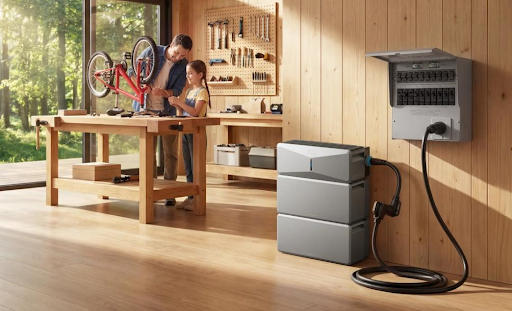

Hurricane blackouts can last for hours or stretch into days, so choosing which home loads to power first matters. The right priorities help protect health, preserve food, maintain communication, and keep the home safe while backup power remains limited. Instead of trying to run everything, focus on the few loads that support basic needs and prevent bigger problems. A clear plan also reduces waste, avoids overloads, and helps stored energy last longer. These five loads should come first during a hurricane blackout, along with simple strategies for managing backup capacity wisely.
Prioritize Loads That Protect Basic Household Needs
Refrigerators and Freezers
Refrigerators and freezers should rank near the top because they protect food, medicine, and household supplies that can spoil quickly during an outage. Losing refrigeration can create both financial loss and health risk, especially after a major storm when stores may stay closed and roads may remain blocked. Keep doors closed as much as possible to hold cold air and reduce power demand. If backup energy is limited, cycle the appliance on only as needed. Prioritize the main refrigerator first, then any freezer containing essential food or temperature-sensitive medication for your family.
Essential Medical Equipment
Essential medical equipment must take immediate priority during a hurricane blackout because health and safety depend on uninterrupted operation. Devices such as oxygen concentrators, CPAP machines, suction units, refrigerated medications, and mobility-related charging equipment should be identified before storm season begins. Know each device’s wattage, runtime needs, and whether it requires continuous power or scheduled charging. Keep extension cords, backup batteries, and any approved adapters ready in one place. If someone in the home depends on powered medical equipment, build your entire backup plan around that need first, then allocate remaining capacity carefully.
Phones and Communication Equipment
Phones and communication equipment are critical during a hurricane blackout. Understanding how the hurricanes are named can also help households follow storm information more clearly and recognize official updates during hurricane season. Prioritize charging mobile phones, weather radios, hotspots, and any essential internet equipment needed for emergency communication or work coordination. Use low-power charging methods when possible and unplug devices once charged to avoid wasting stored energy. A communication plan should also include power banks charged in advance. If the outage continues, rotate charging times instead of keeping every device plugged in constantly, which helps preserve limited backup capacity.
Keep the Home Safe and Livable
Essential Lighting and Safety Devices
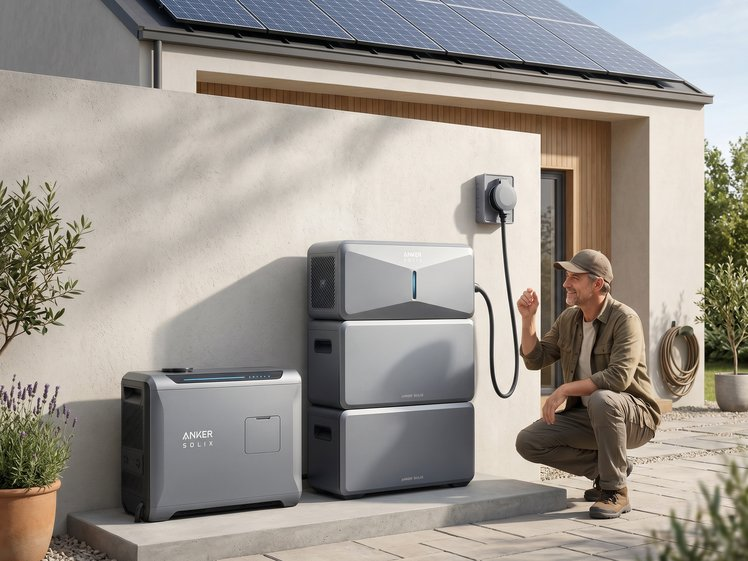
Essential lighting and safety devices make the home safer and more manageable when utility power fails. Focus on a few lights in high-use areas such as the kitchen, bathroom, hallway, and entry points rather than trying to illuminate the whole house. Also prioritize smoke detectors, carbon monoxide alarms, security devices, and garage access if needed for safety. LED lighting uses very little power, making it an efficient blackout load. If your backup system supports larger home coverage, such as the Anker SOLIX E10 with 6–90 kWh battery capacity and up to 30 kW Turbo Output, still keep lighting selective.
Pumps or Essential Cooling Equipment
Pumps or essential cooling equipment can quickly become priority loads during a hurricane blackout, especially in hot, humid conditions or flood-prone homes. Sump pumps, well pumps, and sewage pumps protect the home from water damage and maintain basic sanitation. In extreme heat, a fan or limited cooling in one occupied room may be necessary for infants, older adults, pets, or anyone vulnerable to heat stress. Choose the smallest effective load instead of powering the entire HVAC system if energy is limited. This approach keeps the home livable while preserving backup capacity for longer outages.
Make Backup Capacity Last Through the Blackout
Run High-Demand Loads Only When Necessary
High-demand loads drain backup power quickly, so run them only when they solve an immediate need. Electric stoves, dryers, water heaters, and whole-home air conditioning can consume far more energy than lighting, phones, or refrigeration. During a hurricane blackout, avoid leaving these loads on by default. Instead, use them briefly, schedule their use, or replace them with lower-energy alternatives when possible. For example, cool one room instead of the entire house, and heat food in short intervals rather than cooking large meals electrically. Controlled use prevents unnecessary battery depletion and extends available runtime.
Reserve Stored Energy for Essential Loads
Reserve stored energy for the loads that matter most, especially when restoration timelines remain uncertain after a hurricane. Start with a written priority list: medical equipment, refrigeration, communication, lighting, and pumps or cooling needed for safety. Then separate nonessential devices so they do not quietly consume backup power. Monitor battery levels regularly and adjust use early rather than waiting until capacity drops too low. Recharge phones during daylight if solar charging is available, and delay optional appliances until grid power returns. A disciplined load plan helps backup energy cover more hours and more critical needs.
Conclusion
The best way to handle a hurricane blackout is to power the loads that protect health, food, communication, and household safety first. Refrigerators, medical equipment, phones, lighting, and pumps or essential cooling offer the greatest value when backup energy is limited. From there, careful load management helps your system last through a longer outage without unnecessary drain. Turn off nonessential appliances, use high-demand equipment sparingly, and review priorities before storm season begins. A focused plan keeps your home safer, more comfortable, and better prepared when the grid goes down and utility restoration takes time.
Read more: https://grammerway.com/how-do-business-gas-cards-simplify-expense-reporting/
https://grammerway.com/why-homeowners-sell-their-properties-quickly-in-lawrence-kansas/
https://grammerway.com/why-homeowners-sell-their-properties-quickly-in-lawrence-kansas/

Leave a Comment