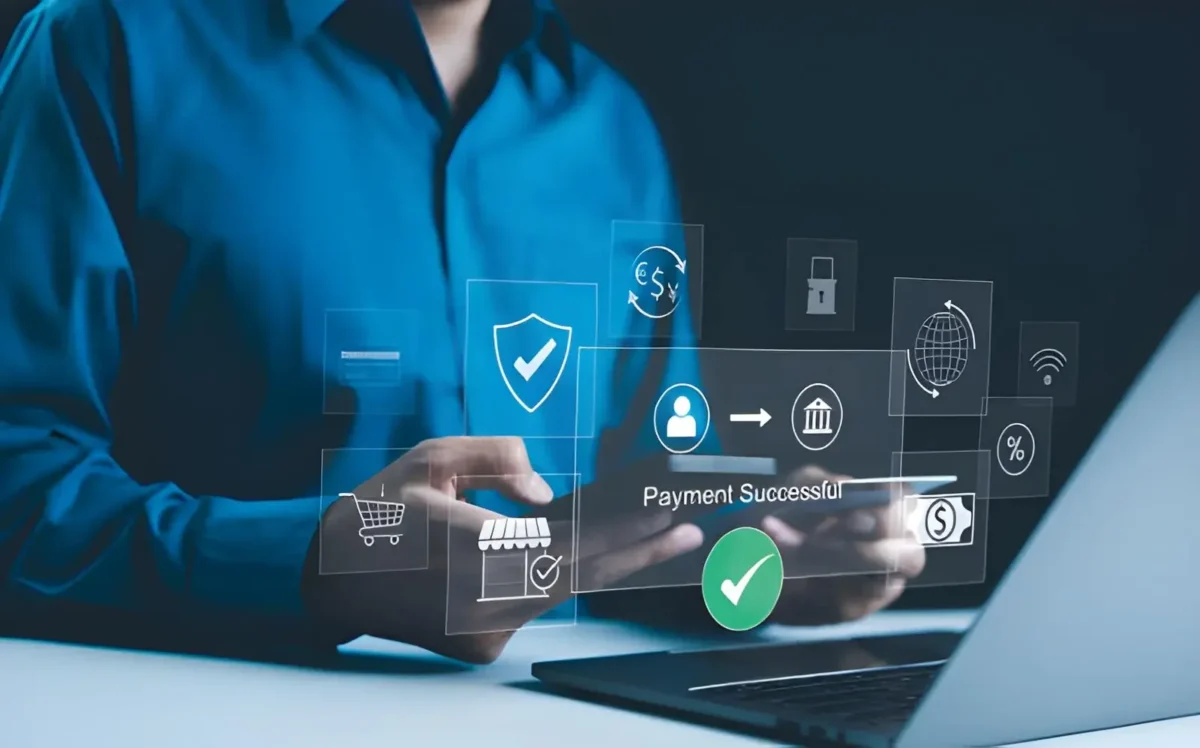

A checkout page is where trust becomes real. If a shopper sees a strange redirect, a missing card logo, or a browser warning, the sale can vanish in five seconds. A digital founder does not need bank-grade jargon, but he does need a plain grip on how money moves, where fraud hides, and which fees bite hardest. One early decision sets the tone: the gateway should match the product, the country mix, and the buyer’s favorite payment method before the first ad dollar is spent. High-risk sectors show the lesson clearly; payment teams studying top reviews of zakłady bukmacherskie picks for 2026 can see how licensing, chargeback rules, and card acceptance shape customer trust. That same thinking applies outside retail. A marketplace selling €19 downloads has a different risk profile than a SaaS firm billing €4,000 yearly contracts. Small details matter.
The gateway is more than a card form
Gateways sit between the store, the card network, the bank, and the fraud screen. Quiet work. They encrypt card data, create payment tokens, ask for 3-D Secure checks, and send an approval or decline in seconds. An entrepreneur should know which tasks happen inside the gateway and which stay with the merchant account or payment service provider. A single-page checkout may look simple, yet behind it there are acquirers, issuer banks, network rules, risk scores, and settlement batches. For example, a platform selling betting tips, online courses, or event tickets faces sharper review than a shop selling socks. Processors care about refunds, legal age checks, country blocks, and the wording on the offer page. Review teams love screenshots, but they respect boring policy pages even more. Even a clean brand can be grouped with its riskier neighbors when the category looks unclear. The safer move is boring: state prices, renewal dates, refund limits, and support hours on pages that a reviewer can reach without logging in. That is why licensed operators, including zakłady bukmacherskie services with a live dealer, give founders a useful case study in proof of identity, payout timing, and dispute records.
Security checks that shoppers actually notice
Shoppers notice security in tiny ways. They look for the padlock, Apple Pay, PayPal, local bank buttons, and a receipt that arrives before doubt creeps in. They also notice friction. A cardholder who must type a one-time code, then retype the billing address, then wait through a blank screen will blame the merchant, not the issuer. Good gateway setup cuts the rough edges without dropping checks that stop stolen cards. 3-D Secure 2 helps because it sends device data, shipping history, and account age to the issuer before asking for a challenge. Most low-risk buyers pass without seeing extra steps. For higher-risk orders, a founder can add rules: block mismatched countries, review first-time orders above $500, or require CVV on stored-card purchases. The point is balance. Fraud loss hurts, but false declines burn paid traffic and irritate loyal buyers.
Fees, settlement, and the cash gap
The cheapest rate is rarely the cheapest deal. Look at the full monthly bill: gateway fee, processor markup, network assessment, currency conversion, chargeback fee, refund fee, and payout cost. Small charges stack up. A 2.9% plus 30 cent card rate looks fine on a $120 order, but it eats a hard slice of a $6 template sale. Settlement timing matters just as much. If sales clear on Monday but funds land Friday, the founder is financing ads, support wages, and supplier bills with a four-day delay. Reserves deserve a hard look too. Some processors hold 5% or 10% of revenue for 90 or 180 days in categories with refund risk. That can be survivable at $20,000 a month and painful at $200,000. A smart comparison sheet includes payout speed, reserve terms, failed-payment recovery, and real support hours, not the headline rate alone.
Data, tokens, and fewer scary forms
Payment data should not live on a founder’s server unless there is a strong reason and a serious security budget. Keep it away. Hosted fields and tokenization let the gateway collect card details while the store saves a token that has no street value to thieves. That lowers PCI scope and makes audits less painful. It also helps with subscriptions. When a card expires, account updater services refresh details for supported banks, so monthly plans keep running without an awkward email to the customer. Data still needs discipline. Teams should log payment errors, decline codes, refund reasons, and chargeback notes, but avoid saving full card numbers, CVV codes, or screenshots of cards in help desk tickets. One messy ticket can create a mess. Access should be limited by role, with two-factor login for admins and alerts for new API keys.
Payment methods should match the buyer
Card payments still carry much of online commerce, but local habits change the checkout math fast. In the Netherlands, iDEAL is normal. In Poland, BLIK matters. In Germany, invoice and bank transfer options still win trust with buyers who dislike typing card details into a new shop. A founder should start with the top two payment methods in each target country, then add more only when data supports it. Too many buttons can slow a page and confuse mobile users. Recurring products need another filter. Bank redirects work well for one-time orders, while cards and direct debit fit subscriptions better because they support repeat billing. Test refunds before launch. A smooth sale means little if the first refund needs three manual emails and a spreadsheet row.
A launch checklist before the first sale
Before launch, the team should run ten test orders with real devices: iPhone, Android, Chrome, Safari, and a slow mobile connection. Use small amounts. Test success, decline, refund, partial refund, subscription renewal, expired card, duplicate order, and chargeback notice. Then read every email the customer receives. The boring parts reveal the gaps: unclear billing names, missing tax details, ugly receipts, and support links that lead nowhere. Someone should also confirm that payment logs hide sensitive data and that staff can find an order in under one minute. After that, set a monthly review date. Check approval rate, refund rate, chargeback count, payout time, and the top three decline reasons. Fix one issue first.
Also Read
- https://grammerway.com/leadership-in-todays-publishing-industry-navigating-change-and-inspiring-success/
- https://grammerway.com/the-appeal-of-townhome-living-for-young-professionals/
- https://grammerway.com/schizophrenia-symptoms-causes-treatment/




Leave a Comment