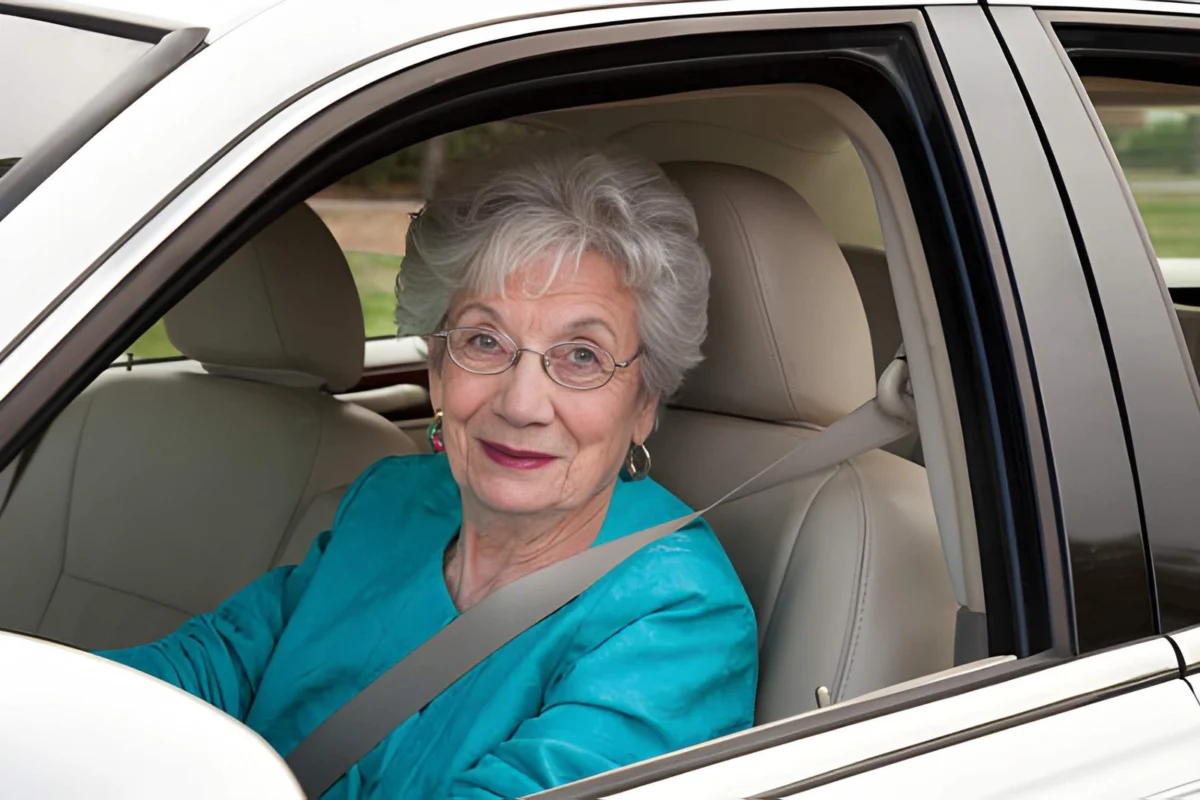

Maintaining independence for seniors often hinges on the ability to drive safely, allowing individuals to stay connected with loved ones and essential services. As we age, adopting safety strategies proactively helps seniors confidently enjoy their mobility. For those looking to maximize their driving independence and security, finding the right car insurance for seniors is equally important, providing peace of mind as you navigate the roads.
Understanding the changing needs and adopting necessary precautions can keep mature drivers safe, both for themselves and for others on the road. While many older adults continue to drive safely well into their senior years, it is essential to stay aware of how aging can affect driving, and to respond with clarity and care as needed.
Understanding Age-Related Changes
Aging brings natural changes in vision, hearing, reflexes, and cognitive processing speed. For example, many seniors experience decreased night vision, making evening driving riskier. Reduced peripheral vision, slower reaction times, and difficulty filtering distractions can also impair the ability to respond quickly to road hazards. Recognizing and understanding these changes is critical to adjusting habits and equipment to maintain safety.
According to the National Institute on Aging, staying informed about how aging affects driving abilities allows seniors to modify their behaviors and seek medical or adaptive support as needed for safer travel. Regularly reflecting on personal strengths and weaknesses behind the wheel is a sign of responsible driving.
Regular Health Check-ups
Routine medical check-ups are fundamental for safe driving. Annual eye exams can detect early vision problems, such as cataracts, glaucoma, or macular degeneration, that may affect a person’s ability to drive safely. Hearing assessments are also vital; being able to hear emergency sirens, horns, or other warning signals is essential for road safety.
Additionally, reviewing medications with a healthcare professional ensures there are no adverse side effects, such as drowsiness or delayed reflexes, that could impair driving. Understanding how health changes or prescribed drugs affect driving is crucial for seniors who wish to remain independent and secure on the road.
Vehicle Adaptations and Maintenance
Modern vehicles now include advanced features that can enhance safety and confidence for senior drivers. Some of the most beneficial additions are:
- Blind-spot monitoring systems: These alert drivers to vehicles in their blind spots when changing lanes.
- Rearview cameras: These assist with parking and reversing, greatly reducing the risk of backing collisions.
- Lane departure warnings: This technology alerts drivers when they unintentionally veer out of their lane.
Ensuring the car is regularly maintained, checking brakes, tires, fluid levels, and lights, not only reduces the risk of breakdowns but also contributes to safer, more reliable journeys. Preventive maintenance keeps vehicles responsive and prepared for unexpected events on the road.
Safe Driving Practices
Incorporating practical habits can make a significant difference in road safety. Essential practices include:
- Planning routes in advance: Familiarizing yourself with the route decreases stress and helps avoid last-minute confusion.
- Avoiding adverse weather: Conditions such as heavy rain, snow, or fog increase the risk of accidents, so driving during such conditions should be avoided.
- Limiting distractions: Keep radio volume moderate, never use mobile devices while driving, and ensure internal vehicle settings are adjusted before putting the car in motion.
- Driving during daylight: If night vision is diminished, stick to daylight hours when visibility is optimal.
Implementing these behaviors can help maintain a higher level of alertness and confidence on the road.
Recognizing When to Limit or Stop Driving
It is key to recognize signs that may indicate it is time to reduce or stop driving. Indicators include frequent close calls, difficulty reading road signs, getting lost on familiar roads, or receiving several traffic tickets. Self-reflection combined with honest conversations with family members or friends can help identify when driving limitations are necessary for safety.
Family involvement is important. Loved ones can help identify problematic patterns and discuss next steps when safety concerns arise. Being proactive in these conversations encourages supportive decision-making and eases transitions to alternative travel options when needed.
Alternative Transportation Options
If independent driving becomes too risky, there are many alternatives for getting around while still maintaining an active lifestyle. These options include:
- Public transportation: Many cities offer convenient, affordable options like buses and trains, making it easier for seniors to stay connected to community services and activities.
- Ride-sharing services: Apps such as Uber and Lyft provide on-demand, flexible transportation with minimal planning needed.
- Community shuttles: Some communities offer specialized shuttles that transport seniors directly to medical appointments, grocery stores, or recreational centers.
Conclusion
Safe driving for seniors starts with understanding personal limitations, maintaining good health, and practicing responsible driving habits. By staying proactive with regular vehicle maintenance, embracing helpful safety technologies, and knowing when to explore alternative transportation, older adults can preserve their independence while helping ensure safer roads for themselves and others.
Read more: How to Transform Your Backyard into a Stunning Outdoor Living Space
The Impact of Structure and Discipline in Modern Education
Why Homeowners Sell Their Properties Quickly in Lawrence, Kansas

Leave a Comment