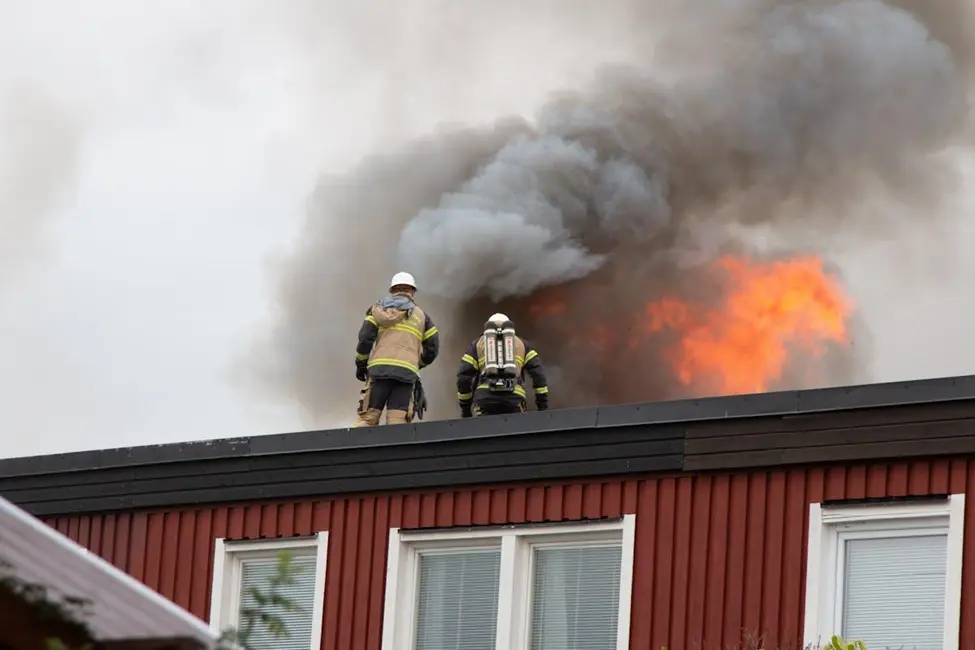

According to the American Burn Association’s 2023 data, approximately 486,000 burn injuries receive medical treatment annually in the United States, with roughly 40,000 requiring hospitalization. Yet what many people don’t realize is that the type and severity of a burn injury dramatically influences not just medical treatment, but the entire legal landscape surrounding potential compensation claims.
In Los Angeles, where industrial accidents, electrical hazards, and chemical exposures create diverse burn injury scenarios, the distinction between a first-degree scald and a fourth-degree electrical burn can mean the difference between a straightforward insurance settlement and a complex litigation process requiring extensive expert testimony. As California courts increasingly rely on detailed medical evidence to establish liability and damages, consulting a burn injury legal team in Los Angeles can help ensure victims understand their rights and pursue fair compensation after a serious burn incident.
The stakes extend beyond immediate medical care. How a burn injury is classified medically directly impacts how liability gets established, what types of damages can be pursued, and which expert witnesses become essential to building a compelling case.
What Are the Different Types of Burn Injuries?
Burn injuries fall into three primary categories based on their cause, each presenting distinct legal challenges and requiring different approaches to establishing liability. Thermal burns, caused by contact with hot surfaces, flames, or scalding liquids, represent the most common type seen in personal injury cases. These often occur in workplace accidents, defective product incidents, or building fires where safety protocols failed.
Consider a restaurant worker who suffers severe burns when a defective pressure cooker explodes, sending boiling liquid across their arms and chest. The thermal burn classification immediately points toward potential product liability claims against the manufacturer, while the workplace setting raises additional questions about safety training and equipment maintenance protocols.
Chemical burns create a different legal landscape entirely. Unlike thermal injuries that cause immediate damage, chemical burns can continue destroying tissue for hours after initial contact, making the timing of medical intervention crucial. These cases often involve workplace exposures, transportation accidents involving hazardous materials, or defective household products. The challenge lies in proving not just the initial exposure, but demonstrating that proper safety warnings, protective equipment, or containment procedures could have prevented the injury.
Electrical burns present perhaps the most complex scenario from both medical and legal perspectives. The visible skin damage often represents only a fraction of the actual injury, as electrical current can cause internal organ damage, neurological complications, and cardiac issues that may not manifest until weeks later. In Los Angeles, these frequently arise from construction accidents, defective wiring in buildings, or contact with power lines. Establishing liability requires proving that electrical systems failed to meet safety codes or that adequate warnings weren’t provided about electrical hazards.
Each burn type demands specific medical documentation and expert testimony to establish both the mechanism of injury and the responsible party’s role in allowing the dangerous condition to exist.
How Does Burn Severity Affect Legal Claims and Liability?
The medical classification of burn severity directly determines the complexity and potential value of any resulting legal claim. First and second-degree burns, while painful, typically heal within weeks and rarely leave permanent scarring. These cases usually involve straightforward medical expenses and short-term lost wages, making them candidates for insurance settlement without extensive litigation.
However, the legal landscape shifts dramatically with third and fourth-degree burns, which destroy all layers of skin and often require multiple surgeries, skin grafts, and years of rehabilitation. A construction worker who suffers third-degree burns from a workplace chemical spill faces not just immediate medical costs, but potential permanent disability, ongoing psychological treatment, and significant earning capacity reduction. These factors transform a simple negligence claim into a complex case requiring economic experts, vocational rehabilitation specialists, and plastic surgeons to testify about long-term impacts.
The severity classification also influences how liability gets established. Minor burns might be attributed to momentary inattention or simple accidents, but severe burns typically indicate more serious safety failures. When someone suffers fourth-degree electrical burns from touching a supposedly de-energized power line, the severity itself suggests that multiple safety protocols failed simultaneously.
California’s comparative fault system adds another layer of complexity to severe burn cases. While a plaintiff’s own negligence might reduce damages by 10-20% in a minor burn case, those same actions become almost irrelevant when facing life-altering injuries. Juries tend to focus more heavily on the defendant’s conduct when permanent disfigurement or disability results from their actions.
Insurance companies adjust their defense strategies based on injury severity as well. Minor burns often see quick settlement offers to avoid litigation costs, while severe burns trigger comprehensive investigations aimed at minimizing liability through expert testimony challenging causation, medical necessity, or long-term prognosis.
What Steps Are Involved in Filing a Burn Injury Compensation Claim?
The initial documentation phase proves critical in burn injury cases because the injury’s progression can obscure the original mechanism and severity. Unlike other personal injury types, burns continue evolving for days or weeks after the incident, making immediate photographic documentation and medical assessment essential. Emergency room records, wound care protocols, and early treatment decisions all become crucial evidence later.
Within the first few days, preserving physical evidence from the scene becomes paramount. If a defective appliance caused the burn, that device must be secured before anyone can alter or repair it. Chemical burn cases require identifying and testing the specific substances involved, while electrical burns demand immediate inspection of wiring, circuit breakers, and safety equipment before conditions change.
The medical documentation process extends far beyond initial treatment records. Burn cases require tracking wound progression, infection complications, surgical interventions, and rehabilitation progress over months or years. Each medical decision creates potential evidence about the injury’s true severity and long-term implications. Plastic surgery consultations, even for burns that initially appear minor, often reveal the need for future reconstructive procedures that dramatically increase damage calculations.
Witness statements take on particular importance in burn cases because the incident often happens quickly and victims may be disoriented by pain or shock. Co-workers who saw safety equipment fail, family members who witnessed a defective product malfunction, or bystanders who observed the immediate aftermath can provide crucial testimony about how the incident unfolded.
The timeline for filing becomes more complex with burns because the full extent of injury may not be apparent for months. California’s statute of limitations generally provides two years from the date of injury, but determining that “date” proves challenging when complications like infection, scarring, or nerve damage emerge long after the initial incident.
Why Is Medical and Expert Testimony Crucial in Burn Injury Cases?
How Medical Evidence Supports Burn Injury Claims
Medical evidence in burn cases goes far beyond typical personal injury documentation because burn injuries create both immediate and evolving damage patterns that require specialized interpretation. Burn depth assessment, wound photography, and tissue viability evaluations form the foundation of medical evidence, but these initial assessments often change as the injury progresses through different healing phases.
The medical record must demonstrate not just what happened, but why certain treatments became necessary and how complications developed over time. When a second-degree burn becomes infected and requires skin grafts, the medical evidence needs to show whether this progression resulted from the injury’s inherent severity or inadequate initial treatment. This distinction becomes crucial when insurance companies argue that complications arose from medical malpractice rather than the original incident.
Burn reconstruction cases require extensive documentation of each surgical intervention, explaining why procedures were medically necessary rather than cosmetic improvements. Plastic surgeons must articulate how scarring, contractures, or functional limitations directly resulted from the original burn rather than genetic healing tendencies or patient non-compliance with treatment protocols.
The timing of medical interventions provides critical evidence about burn severity. Emergency debridement procedures, immediate skin grafts, or intensive care admissions all indicate injury severity that supports higher damage claims. When victims of workplace accidents involving a burn injury legal team in Los Angeles require immediate surgical intervention, the medical timeline itself becomes powerful evidence of negligence severity.
What Role Does Expert Witness Testimony Play in Court?
Expert witnesses in burn cases must translate complex medical concepts into terms that juries can understand while establishing clear connections between the defendant’s conduct and the plaintiff’s injuries. Burn reconstruction experts analyze the incident scene, review medical records, and demonstrate how specific safety failures led to the particular pattern and severity of burns observed.
These experts don’t just explain what happened—they counter defense arguments about alternative causation or pre-existing conditions. When defendants claim that a victim’s diabetes contributed to poor wound healing, plaintiff experts must demonstrate through medical literature and case-specific analysis how the burn itself created the primary injury regardless of underlying health conditions.
Economic experts become essential in severe burn cases because traditional wage loss calculations fail to capture the full financial impact. Lost earning capacity, future medical needs, and life care planning require sophisticated economic modeling that accounts for inflation, career trajectory changes, and ongoing treatment costs that may continue for decades.
The expert testimony strategy often determines case outcomes because burn injuries involve technical concepts that exceed most jurors’ everyday experience. Successfully explaining how electrical current travels through the body, how chemical exposure creates ongoing tissue damage, or how third-degree burns require multiple reconstruction phases can make the difference between adequate compensation and inadequate awards that fail to address long-term needs.
What Legal Challenges Arise with Severe Burn Injury Cases?
Severe burn injury litigation presents unique obstacles that distinguish these cases from other personal injury claims, primarily because the damages often exceed insurance policy limits while the long-term consequences remain uncertain for years after the incident. Policy limit issues become critical when third-degree burns generate medical expenses approaching seven figures, forcing attorneys to identify multiple liable parties or pursue excess coverage claims.
The challenge intensifies when dealing with permanent disfigurement because California law recognizes pain and suffering damages that can exceed economic losses by substantial margins. However, convincing juries to award appropriate compensation for lifelong scarring or functional limitations requires overcoming natural tendencies to minimize others’ pain experiences. Defense attorneys exploit this by arguing that modern reconstructive surgery can address cosmetic concerns, requiring plaintiff counsel to demonstrate through expert testimony why additional procedures may fail or create new complications.
Proving future damages becomes particularly complex because burn recovery extends over years with unpredictable complications. What appears to be successful healing at trial may deteriorate months later when scar tissue contracts, requiring additional surgeries. Economic projections must account for these possibilities without appearing speculative to juries who prefer concrete evidence over future possibilities.
Settlement negotiations face additional pressure because burn victims often need immediate financial resources for ongoing treatment while their cases develop. Insurance companies exploit this vulnerability by offering early settlements that seem substantial but fail to address long-term needs. The tension between present financial pressures and future damage maximization requires careful case management and often interim funding solutions.
The most successful approaches to these challenges involve building comprehensive medical teams early in the case, securing adequate funding for expert witness preparation, and developing trial strategies that help juries understand the permanent impact of severe burn injuries without overwhelming them with graphic evidence that might create backlash against damage awards.
For anyone facing the aftermath of a serious burn injury, the key insight is recognizing that these cases require immediate action to preserve evidence and long-term commitment to building the medical and expert foundation necessary for adequate compensation. The complexity never diminishes, but early preparation creates the best foundation for navigating the legal challenges ahead.
Also Read
- How to Choose the Perfect Flooring for Your Home
- The Professional Caregiving Solutions are Designed to Improve Quality of Life
- Revolutionizing Finance: How Accounts Payable Automation Solutions Enhance Business Efficiency







Leave a Comment