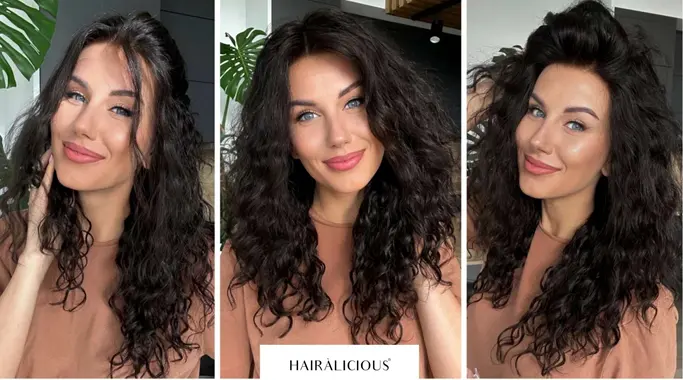

Choosing a wig often starts with color, length, or texture, but the hairline is what usually decides how realistic the final look feels. Many shoppers notice that two wigs can seem similar at first glance, yet one blends much more naturally around the face. That difference often comes down to construction details, not just the hair itself. This is why understanding the front hairline matters before you buy. If you want a wig that looks soft, believable, and easy to wear in daily life, the hairline deserves close attention. For many people, this is the feature that separates a good wig from one that truly feels wearable. Knowing how natural hairline wigs differ from standard wig hairlines can help you make a much smarter choice.
Why the hairline matters more than most people expect
The front of the wig is the area people notice first. Even a beautiful color or expensive human hair can look less convincing if the hairline appears too dense, too uniform, or too obvious against the skin. A standard wig hairline often looks cleaner and fuller, but that can also make it feel less like natural hair growth.
A more realistic result usually comes from small design choices working together. Common mistakes buyers make include focusing only on hair length, assuming all lace wigs will look the same, or choosing a fuller hairline when they actually want a softer everyday appearance. In real life, natural hair rarely grows in a perfectly even line, and wigs that try too hard to look polished can sometimes look less believable.
What makes natural hairline wigs different from standard wig hairlines
The main difference is realism at the front. Natural hairline wigs are designed to imitate the way hair grows from the scalp with more subtlety. They usually feature a pre-plucked hairline, lower density around the face, small well-bleached knots, long baby hairs, and very thin HD lace. Together, these details create a softer transition from skin to hair.
By contrast, a standard wig hairline may look denser or more defined right out of the box. That is not always a bad thing. Some people prefer a fuller look, especially if they like more volume or want a more styled appearance. But if your goal is an imperfectly natural finish, a standard hairline may require more customization.
Another important difference is comfort and daily wear. A thinner, lighter front can feel less heavy around the face and often sits flatter against the head. This is especially helpful for casual styling, low ponytails, and everyday use.
Who benefits most from a natural hairline design
This type of wig can work well for both people with complete hair loss and people wearing a wig over their own hair. It is especially appealing to shoppers who want a believable hairline without a heavy or overly glamorous finish. Because single-drawn hair tapers toward the ends, the overall look feels less uniform and more like real hair.
Natural hairline styles can be a strong choice for:
- first-time wig wearers who want a softer look
- people seeking a lower-density everyday style
- those who value realistic hair growth details
- anyone who prefers glueless wear with secure fit options
That said, they are not ideal for every situation. Someone with very dark bio hair may need more skill to conceal it under thin lace. People wanting maximum durability or thick ends from root to tip may prefer another construction.
How should you choose between the two?
The better option depends on the result you want, not on which wig sounds more premium. If realism around the face is your top priority, a natural hairline is usually the better fit. If you prefer a fuller, more uniform look and do not mind extra customization, a standard wig hairline can still work well.
Think about how you plan to wear the wig day to day. Consider your styling habits, your comfort level with lace, and whether you want a soft casual finish or a more polished high-density effect. The best choice is the one that matches your routine, not just the product photos.
Which wig hairline will look more natural on you?
In most cases, the answer depends on how close you want the wig to resemble real hair growth. A natural hairline usually wins for softness, subtle density, and a more believable finish around the face. A standard wig hairline may still be the right choice for shoppers who want structure and fullness.
If your goal is a realistic everyday look, start by paying attention to the front hairline before anything else. That one detail often changes how natural the entire wig feels.
Also Read
- Innovative Technologies in Metalworking Equipment
- Liability Insurance Essentials for Growing Businesses
- Chihiro Meaning and Hiatus Meaning: Deep Origins, Modern Uses, and Real-Life Examples







Leave a Comment