
Key Takeaways
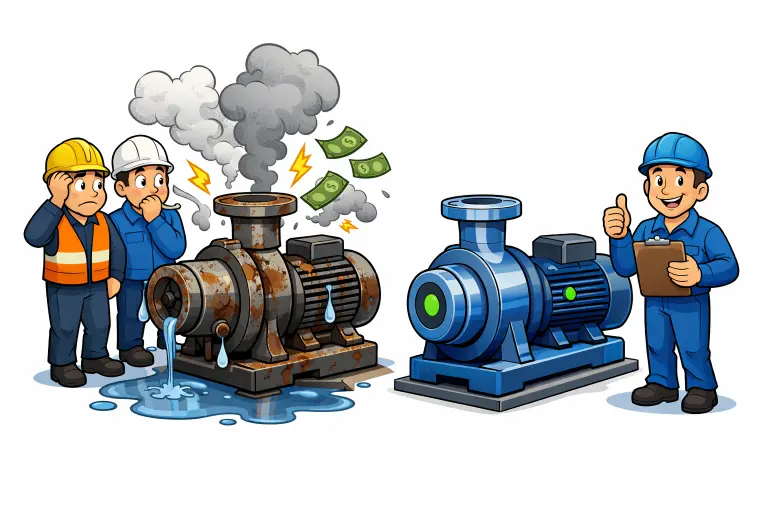
- Industrial pumps consume over 20% of global electricity. Many still operate inefficiently, resulting in high costs and wasted energy.
- Upgrading to energy-efficient technologies and solutions can significantly reduce expenses and environmental impact.
- Consistent pump maintenance and performance monitoring drive long-term efficiency.
Industrial pumps power crucial operations across sectors like manufacturing, water treatment, and energy generation. Their reliability and efficiency are vital for business operations and sustainability. However, studies have shown that too many pumps are operating below optimal efficiency, resulting in unnecessary energy consumption and high operational costs. For organizations aiming to tackle these issues, regular system assessments and upgrades are essential. You can find more about pump solutions and optimization on this website, which provides detailed product information and practical guidance to improve pump performance.
Globally, inefficient pump operations have become a costly problem, both economically and environmentally. With the growing demand for resource conservation, there is increasing pressure on industries to cut energy waste and reduce carbon footprints by modernizing their pump systems. Improving pump efficiency is a major opportunity for both cost savings and environmental stewardship.
Understanding the Scope of Inefficiency
The scale of inefficiency in industrial pumps is striking. Research has found that about two-thirds of these pumps are currently operating below their intended efficiency levels. This means billions of dollars in potential energy and cost savings are left untapped by industrial operators worldwide. Understanding and identifying the root causes, such as outdated equipment, poor control strategies, or a lack of routine maintenance, is the first step toward fixing the issue. Inefficiencies are often compounded by system mismatches and neglected upgrades as processes evolve.
Poorly matched pumps or those operating far from their best efficiency points not only consume excess electricity but may also suffer more frequent breakdowns. This leads to higher repair costs and unscheduled downtime, further magnifying the business impact.
Other factors that compound inefficiency in industrial pump systems include improper sizing, changing process requirements over time, and the use of single-speed motors that can’t adequately respond to variable demands.
For example, pumps operating continuously at a single high speed may deliver much more flow than needed at certain times, driving up electricity use without providing operational benefits. This system-level disconnect often develops subtly over years of incremental process changes, making it essential for facilities to regularly reassess system alignment.
Additionally, hidden energy losses often result from poorly maintained seals or leaks, which can account for a significant portion of overall inefficiency. Failed seals not only cause energy wastage but can also create health and safety hazards through fluid leaks. Therefore, achieving genuine efficiency gains often goes hand in hand with broader improvements in reliability and safety.
Adopting Energy-Efficient Technologies
Advances in pump design and control tech offer significant efficiency gains. High-efficiency pumps like Graco’s QUANTM use an electric motor up to eight times more efficient than pneumatic ones. Variable speed drives from Eaton enable precise output control, reducing energy use by up to 70%. Switching to these pumps and smart controllers lowers energy costs and supports carbon neutrality.
Real-time monitoring detects performance issues and enables quick fixes, maximizing ROI. IoT sensors tracking vibration, temperature, and flow provide insights for better performance management, failure prediction, and targeted upgrades. Modular pump designs facilitate easier upgrades and maintenance, allowing part replacements without full system overhaul. These innovations enhance industrial pump operations and competitiveness.
Implementing Regular Maintenance and Monitoring
Maintaining optimal pump operation needs quality equipment, routine maintenance, and monitoring. AI and machine learning enable predictive maintenance and fault detection, preventing issues and extending pump life by predicting wear, identifying energy losses, and prioritizing repairs.
Regular inspections, lubrication, and record-keeping support efficiency, decision-making, and compliance. Centralized dashboards consolidate sensor data, enabling remote oversight, alerts, and trend analysis, preventing breakdowns and increasing MTBF. Training personnel on new techniques is vital for effective use of smart monitoring, ensuring systems and staff work together for top performance.
Case Studies: Success Stories in Efficiency Improvement
Many organizations have improved by modernizing pumps and adopting energy-efficient practices. The Omega 2 pump series from KSB minimizes energy consumption and simplifies maintenance, benefiting water, desalination, and industrial applications. Success stories show that investing in modern pump systems offers quick returns and long-term benefits, reducing disruptions, lowering bills, and boosting sustainability. Case studies in food processing, mining, and chemical sectors reveal that efficiency investments improve process quality, product consistency, and environmental compliance. For example, a mining site with variable-frequency drives and retrofitted pumps cut annual electricity use by 30% and halved unplanned downtime. Pump optimization thus enhances reliability, supports growth, and fosters continuous improvement.
Conclusion
Boosting industrial pump efficiency is vital for operational success and sustainability. Pumps account for over 20% of industrial electricity, offering significant improvement potential. By assessing inefficiencies, adopting energy-efficient pumps, and prioritizing predictive maintenance, industries can save energy, boost reliability, and reduce environmental impact. Companies committed to innovation will thrive in a market demanding economic and environmental responsibility. In today’s regulated, cost-conscious market, the importance of pump efficiency will grow. Forward-thinking firms that use modern tech, adopt best practices in design and maintenance, and foster energy awareness can save money and strengthen their market position. Aligning energy goals with sustainability efforts enhances brand reputation, stakeholder confidence, and corporate responsibility. Investing in pump optimization is a strategic move toward a more resilient, innovative, and sustainable industry future.
Also Read-Innovative Technologies in Metalworking Equipment







Leave a Comment