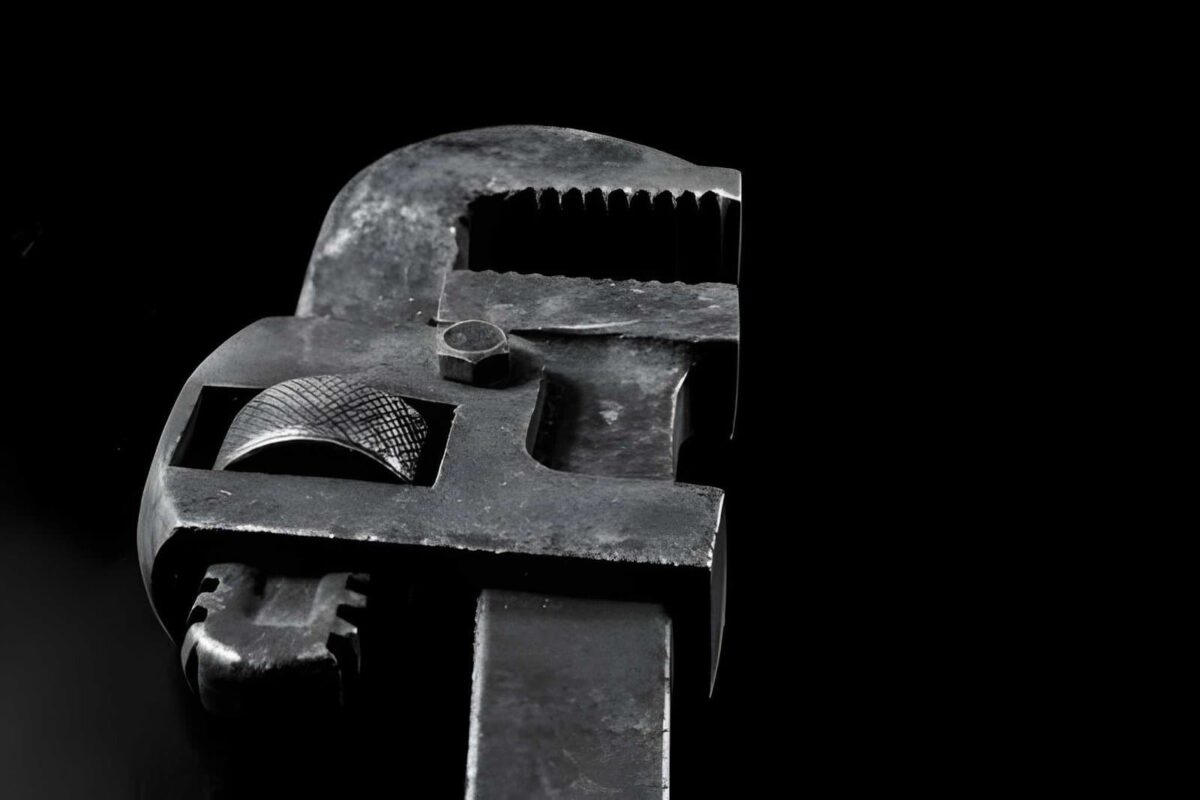

Adjustable C wrenches are essential tools in many industrial, mechanical, and maintenance settings. Their ability to adapt to various sizes of fasteners and fittings makes them a highly versatile addition to any toolkit. Understanding the design, applications, and proper usage of an adjustable C wrench can enhance efficiency and ensure safety in professional environments.
What is an Adjustable C Wrench?
An adjustable C wrench is a type of spanner characterised by its C-shaped jaw, which can be adjusted to fit different sizes of round or hexagonal nuts, bolts, or fittings. This adjustability feature eliminates the need for multiple fixed-size spanners, saving space and increasing convenience.
Design Features of Adjustable C Wrenches
The key component of the adjustable C wrench is its movable jaw, which slides along a track to accommodate various sizes. The wrench usually includes a tightening screw or mechanism that locks the jaw in position once adjusted. The open C-shaped design allows it to grip nuts or collars from the sides, providing strong leverage without obstructing visibility.
Materials and Durability
These wrenches are typically fabricated from high-grade steel or alloy materials to ensure durability and resistance to wear, especially given their use in heavy-duty industrial tasks. Some models feature chrome or nickel plating to provide additional protection against corrosion and enhance ease of cleaning.
Applications of Adjustable C Wrenches
Adjustable C wrenches are widely used in plumbing for tightening and loosening pipe fittings and couplings. They are also prevalent in automotive repair shops, manufacturing plants, and assembly lines for handling various bolts and shaft collars. Their adaptability makes them ideal for tasks where variable-sized fittings are involved.
Advantages Over Fixed Wrenches
The primary advantage of adjustable C wrenches is their flexibility. Where fixed wrenches require a different size for each fastener, an adjustable model can cover a range of sizes, reducing the number of tools needed. This versatility also allows professionals to respond quickly to tasks without searching for the exact spanner.
Choosing the Right Adjustable C Wrench
When selecting an adjustable C wrench, several factors should be considered, including the maximum jaw opening size, handle length, and the quality of the locking mechanism. Longer handles provide better leverage, while a secure locking system ensures the jaw remains firmly in place during use.
Proper Usage Techniques
Correct usage of an adjustable C wrench involves several best practices. The tool should be positioned firmly on the fastener with the adjustable jaw tightly set to prevent slipping. Applying steady pressure aligned with the wrench’s handle maximises torque and reduces the risk of damaging the fastener or the wrench.
Maintenance and Care
To maintain the functionality of an adjustable C wrench, regular cleaning and lubrication of the adjustable mechanism are necessary. Removing dirt and debris prevents jamming, while lubrication ensures smooth operation of the movable jaw. Inspecting the tool for wear or damage before use helps maintain safety.
Common Challenges and Troubleshooting
One challenge users may encounter is jaw slippage, often caused by a worn locking mechanism or improperly adjusted jaw. Regular maintenance and ensuring the locking system is engaged can mitigate this issue. Additionally, using the correct size and applying appropriate force reduces the risk of tool damage or workpiece injury.
Safety Considerations
Safety should always be prioritised when using adjustable C wrenches. Users should wear protective gloves to avoid injuries and ensure their grip is secure. It is advisable to use tools that fit snugly on fasteners to prevent sudden slips that can cause accidents.
Comparison with Other Adjustable Wrenches
Adjustable C wrenches differ from crescent wrenches and pipe wrenches in design and typical applications. While crescent wrenches have flat jaws suitable for hexagonal nuts, adjustable C wrenches can better accommodate collar nuts and large diameter fittings. Pipe wrenches, by contrast, are specifically designed for gripping round pipes with serrated edges.
Innovations in Adjustable C Wrench Designs
Recent advancements include ergonomic handle designs for reduced user fatigue, quick-release jaw adjustments, and lightweight materials that maintain strength while improving portability. Some models also incorporate measurement scales for accurate jaw settings.
Environmental and Economic Impact
Due to their versatility, adjustable C wrenches can reduce the overall number of tools required, thereby minimising material consumption and manufacturing impact. Their durable construction also lengthens tool lifespan, decreasing waste and long-term costs.
Where to Purchase Adjustable C Wrenches
Industrial suppliers and trusted retailers offer a variety of adjustable C wrenches suitable for different professions and requirements. Selecting tools from reputable manufacturers ensures quality and reliability.
Conclusion
Mastering the use of adjustable C wrenches unlocks efficiency and adaptability in various technical fields. Their flexible design, durability, and ease of use make them indispensable for professionals who work with a range of fittings and fasteners. By understanding their features and maintenance, users can maximise the lifespan and effectiveness of these essential tools.
Also Read
- Innovative Technologies in Metalworking Equipment
- Life Fitness: Revolutionizing Wellness and Exercise Solutions







Leave a Comment