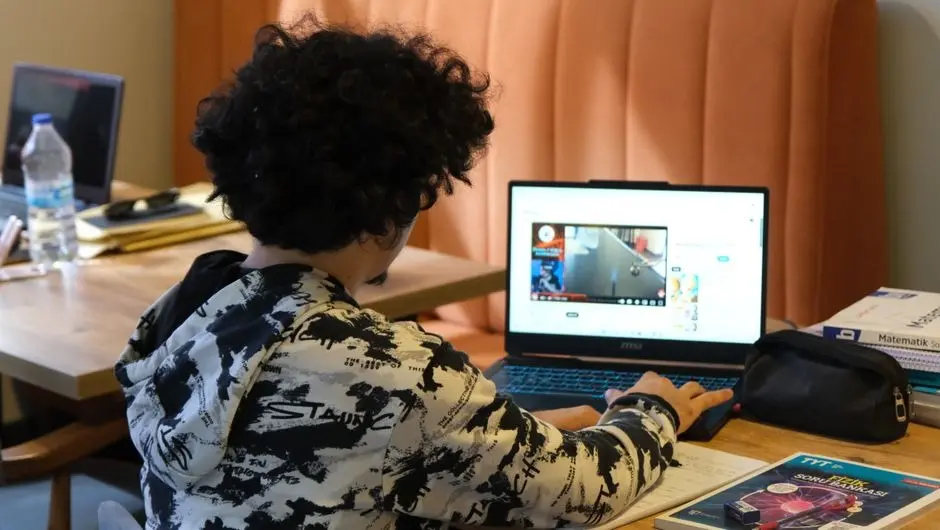

Technology is built into almost every modern workplace, which means people who understand how systems, networks, data, and digital tools work can bring useful skills to many industries. For students interested in building those capabilities, studying information technology can be a practical option. The bigger question is whether studying remotely delivers enough career value to justify the time, tuition, and effort involved.
IT Skills Have Become Relevant Across Industries
Information technology is no longer limited to companies that make software or sell computers. Hospitals need secure digital systems. Banks depend on complex networks and databases. Manufacturers use connected equipment. Retailers rely on payment systems, inventory platforms, and e-commerce infrastructure.
That creates opportunities for people who understand how technology supports everyday business operations.
An IT education can introduce students to areas such as networking, cybersecurity, database management, programming, systems administration, and technical support. These skills can lead toward different career paths depending on your interests and experience.
The versatility is part of the appeal. You are not necessarily preparing for one narrowly defined job. Instead, you are developing technical knowledge that can potentially be applied across different organizations and industries as technology continues to evolve.
Look Closely at What the Program Actually Teaches
A degree title can tell you the general subject, but the curriculum tells you what you will actually spend months or years learning. That distinction matters.
When comparing programs, review individual courses and consider how closely they match the technical skills employers expect. A useful curriculum should provide more than a surface-level introduction to computers. It should help students understand how technology is selected, implemented, maintained, secured, and used to solve organizational problems.
For students comparing flexible study options, an online IT degree can provide a way to develop technical knowledge without following a conventional campus schedule. Lamar University, a public university based in Beaumont, Texas, offers information technology study through a flexible format, giving students an option for building technology-focused skills while balancing work and other responsibilities.
The important point is to investigate the coursework rather than assuming every technology program offers the same preparation. Compare required classes, electives, projects, and opportunities to apply what you learn.
Flexibility Is Valuable, but It Requires Discipline
The obvious attraction of studying remotely is flexibility. You may be able to complete coursework around a job, family commitments, or other responsibilities instead of reorganizing your entire week around trips to campus.
That freedom comes with a catch: nobody is standing outside your bedroom reminding you that an assignment is due.
Successful remote students usually develop reliable routines. You need to keep track of deadlines, schedule study periods, participate in discussions, and start projects before the final evening available.
This can actually be useful preparation for technology careers. IT professionals frequently manage tickets, projects, documentation, troubleshooting, and competing priorities with limited supervision.
The learning format therefore rewards some of the same habits that matter in professional environments: independence, organization, communication, and the ability to finish work without constant reminders.
Think About the Career You Want Before Enrolling
“Working in tech” is not a particularly specific career plan.
Information technology covers a wide range of roles, and knowing which direction interests you can make choosing a program much easier. Some students may be interested in cybersecurity. Others may prefer network administration, database work, cloud technologies, technical support, or IT management.
Start by researching actual job descriptions.
Look at the skills employers request for positions you could realistically pursue after graduation. Pay attention to recurring technologies, certifications, experience requirements, and technical responsibilities.
Then compare those requirements with the curriculum you are considering.
You do not need to have your entire career mapped out before your first class. Careers change, technology changes, and sometimes one surprisingly enjoyable course sends you in a completely different direction. Still, having a general target helps you judge whether a program supports where you want to go.
A Degree Is Only One Part of Your Technical Education
Technology rewards people who can demonstrate what they know.
A degree can provide structured learning and a broad academic foundation, but practical experience can strengthen that education considerably. Students should look for opportunities to apply classroom concepts through projects, internships, labs, certifications, or independent experimentation.
You might build a small home network, create a database project, experiment with cloud platforms, or develop a basic application. Even troubleshooting technology for a small organization can help you understand how technical problems look outside a textbook.
Professional certifications may also complement your education depending on the career path you choose. Networking, cloud computing, cybersecurity, and other areas have industry credentials that employers may recognize.
The strongest preparation often comes from combining academic knowledge with evidence that you can actually use it.
Cost Should Be Compared With Potential Career Value
College is an investment, and calling something an investment does not magically make it affordable.
Before enrolling, calculate the complete cost. Look at tuition, fees, books, software, equipment, and the number of credits required for graduation. If you already have college experience, investigate whether previous credits can transfer.
Then consider the potential return.
Research salaries for relevant entry-level positions, but avoid treating the highest number you find online as a guaranteed outcome. Pay varies based on experience, location, specialization, industry, certifications, and economic conditions.
Think about career mobility as well. A credential that helps you qualify for your first technical role may also create a foundation for more specialized positions later.
The question is not simply, “How much does this degree cost?” A better question is, “What realistic professional opportunities could this education help me pursue?”
Check Accreditation and Student Support Before Committing
A polished website does not tell you everything you need to know about a college.
Accreditation should be part of your research because it can affect the recognition of your credential, transferability of credits, financial aid eligibility, and future graduate education. Verify accreditation through reliable sources rather than relying entirely on marketing language.
Student support deserves attention too.
Find out whether remote students can access academic advising, tutoring, library resources, career services, technical assistance, and faculty support. These resources become particularly important when you encounter a difficult course or need guidance about graduation requirements.
Also examine policies concerning transfer credits, withdrawal, course availability, and graduation timelines.
These details may seem boring when you are excited about starting a new program. They become considerably more interesting when something goes wrong.
Decide Based on Your Goals, Not the Convenience Alone
Studying information technology remotely can make sense for someone who wants technical education without putting the rest of life on hold. But flexibility should not be the only reason you choose a program.
Look at the curriculum. Research potential careers. Understand the total cost. Check accreditation. Consider how you will gain practical experience alongside your coursework. Most importantly, be realistic about the time and discipline required to succeed.
Technology careers continue to change as organizations adopt cloud platforms, automation, artificial intelligence, cybersecurity tools, and increasingly connected systems. A strong education can give you a foundation for understanding that changing environment, but the learning rarely stops at graduation.
If the program develops relevant skills, fits your schedule, and supports a career direction you genuinely want to pursue, the investment can make sense. The goal is not simply to earn a credential from your laptop. It is to leave the program better prepared to solve real technology problems in the workplace.
Also Read-
- Innovative Technologies in Metalworking Equipment
- The Grammar of Daily Life: How Patterns Shape Our Behavior





Leave a Comment