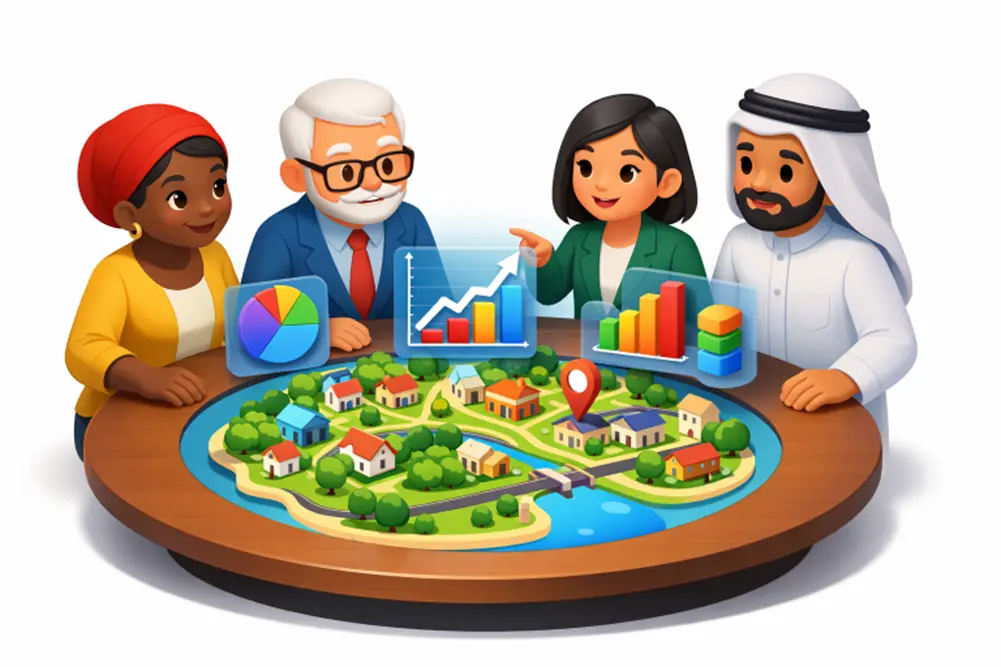

In today’s rapidly evolving world, communities must tackle increasingly complex challenges that demand strategic and informed solutions. By leveraging data-driven decision-making, community leaders can ensure resources are used effectively and that community initiatives yield measurable, lasting outcomes. Working with forward-thinking partners such as Cane Bay Partners can help adopt and implement these transformative approaches to community development.
Shifting from intuition-based action to evidence-based strategies enables organizations to understand their populations’ true needs better and identify opportunities for improvement. This foundation of reliable data is not only essential for crafting intelligent policies but also for building trust among stakeholders and residents. As a result, data-driven decision-making is quickly becoming the gold standard for successful community programs.
Understanding Data-Driven Decision-Making
Data-driven decision-making is the practice of collecting, analyzing, and acting on data to inform decisions and guide actions and policies. This approach transforms community development from a series of well-meaning guesses into a systematic effort grounded in observable reality. By embracing data, local governments, nonprofits, and other organizations can create interventions that are more precise, efficient, and accountable.
Rather than relying on anecdotal evidence or personal biases, data-driven leaders evaluate trends, measure results, and refine initiatives based on what works best. The combination of quantitative and qualitative data offers a clearer perspective, supporting both short-term tactics and long-term planning.
Benefits of Data-Driven Approaches
Making decisions based on data yields numerous benefits that transform how communities operate:
- Enhanced Resource Allocation: Data analysis highlights the areas of greatest need, ensuring investments are directed to where they yield the greatest benefit.
- Improved Program Effectiveness: Regularly collecting and reviewing data enables community leaders to refine their initiatives continuously, driving better results.
- Increased Transparency and Accountability: When organizations share their data and methodologies, stakeholders can see exactly how and why decisions are made, fostering greater trust and civic engagement.
Real-World Examples of Data-Driven Community Development
Newport News, Virginia
Newport News provides a compelling example of data-driven decision-making in action. By integrating U.S. Census Bureau American Community Survey data into its GeoHub platform, the city significantly improved its ability to target services, strengthen grant applications, and secure critical funding for community projects. This approach not only improved infrastructure but also promoted sustainable growth and equity.
YMCA’s Data-Informed Mission
The YMCA demonstrates how national organizations can use data to tailor local solutions. By mapping and analyzing the specific needs of individual neighborhoods, the YMCA effectively adjusts its programming to address challenges ranging from youth development to health disparities to social inclusion. Their data-driven strategies allow them to better serve the communities they work in, maximizing impact at every level.
Implementing Data-Driven Strategies in Your Community
Transitioning to a data-driven approach does not require cutting-edge technology or vast resources. These straightforward steps provide a roadmap to success:
- Identify Key Metrics: Choose data points closely related to your community’s priorities, such as health indicators, economic performance, or educational outcomes.
- Collect and Analyze Data: Use public databases, surveys, and partnerships to gather data. Employ analytical tools to reveal patterns and key findings.
- Engage Stakeholders: Involve residents, businesses, and local institutions in interpreting data and shaping initiatives. Collaboration fosters buy-in and surfaces insights that may not be evident in the number-to-serve metric. Action Plans: Using your analysis, create targeted interventions with clear, achievable goals.
- Monitor and Evaluate: Continually track the effectiveness of implemented programs, remaining flexible to adapt based on new data and feedback.
Overcoming Challenges in Data Utilization
While adopting a data-driven approach delivers clear benefits, some communities face hurdles such as data privacy concerns, resource constraints, and limited technical capacity. To overcome these obstacles:
- Ensuring Data Privacy: Protect resident information through robust data security practices and transparency about how data is used, ensuring public trust.
- Building Capacity: Invest in staff and leader training to interpret and manage data effectively. Partnering with nearby universities or research organizations can accelerate knowledge transfer and boost data literacy.
- Fostering Collaboration: Team up with nonprofits, private sector partners, or government agencies to share insights, technology, and best practices.
Future Trends in Data-Driven Community Development
The adoption of advanced technologies is set to further enrich data-driven community development. Big data analytics, machine learning, and artificial intelligence help predict community needs, optimize interventions, and drive innovation in resource delivery. Open data platforms continue to expand, making information more accessible and actionable. These trends position communities not only to respond to current challenges but also to anticipate future needs, making development efforts increasingly effective as technology evolves. For more on emerging trends, explore this Brookings article on big data and open data in cities.
Conclusion
Communities that embrace data-driven decision-making are better prepared to tackle existing and emerging challenges. Leveraging data enhances efficiency, builds accountability, and inspires innovative solutions that improve the quality of life for all residents. By staying informed and proactive, community leaders can ensure lasting, meaningful development while strengthening public trust and collaboration.
Also Read
- Innovative Technologies in Metalworking Equipment
- How Storytelling Helps Businesses Build Trust
- Pendeja Meaning in English: Definition, Usage, Cultural Context, and Real-Life Examples







Leave a Comment