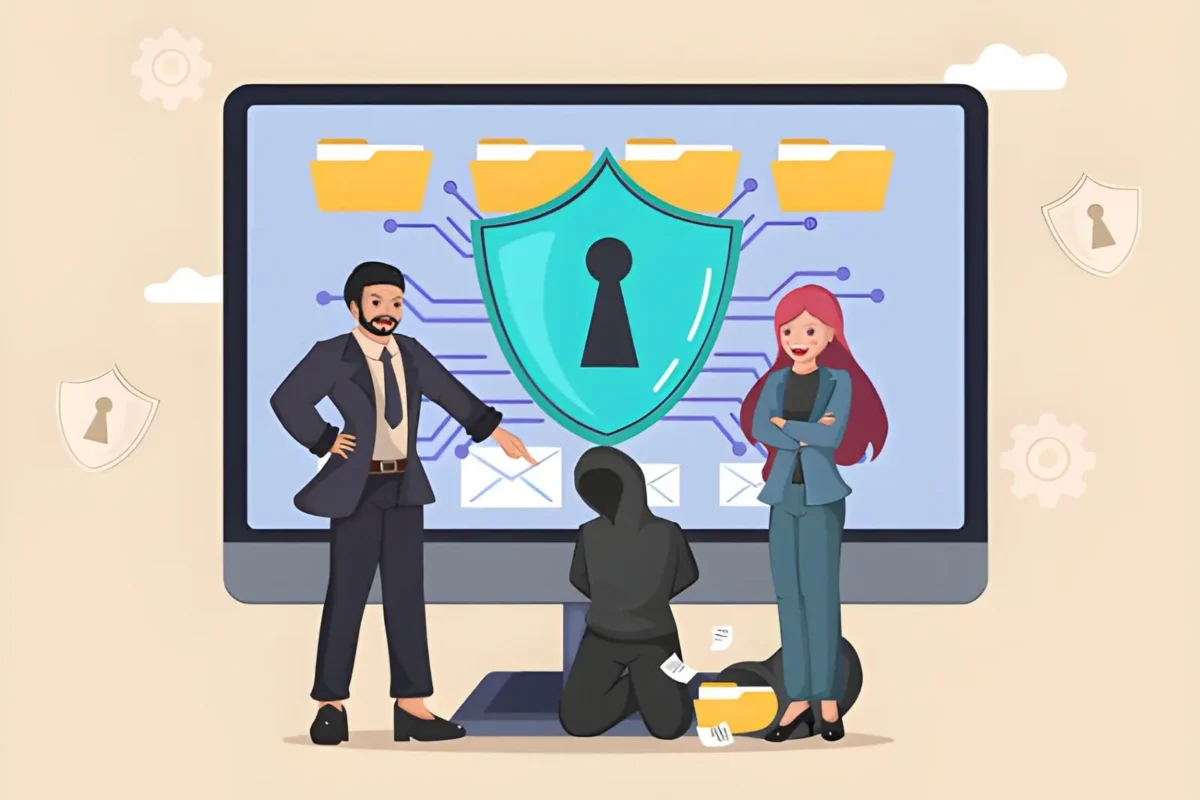

Ethical hacking and Cybersecurity are no longer niche career options. Today, every company that uses websites, apps, cloud systems, customer data, or internal networks needs professionals who can protect them from cyber threats. From banks and healthcare companies to e-commerce brands and tech startups, organizations are actively looking for people who understand security.
That is why starting a career in ethical hacking and Cybersecurity has become a smart choice for students, freshers, IT professionals, and career switchers. The field offers strong demand, practical work, and multiple career paths. But if you are a beginner, the biggest challenge is often not interest. It is knowing where to start, what to learn first, and how to become job-ready.
In this blog, we will break down how to start a career in ethical hacking and Cybersecurity, the skills you need, the best learning path for beginners, the tools and certifications that matter, the job roles you can target, and why joining a structured ethical hacking course like Intellipaat can make the process much easier.
What Is Ethical Hacking?
Ethical hacking is the process of testing systems, networks, applications, and digital environments to find security weaknesses before attackers can exploit them. It is done legally and with permission, intending to improve security.
In simple terms, ethical hackers think like attackers, but they work to protect organizations instead of harming them.
An ethical hacker may check for:
- Weak passwords
- Open ports and insecure services
- Web application vulnerabilities
- Misconfigured servers
- Security gaps in networks
- Poor authentication and access control
- Phishing and social engineering risks
Ethical hacking is closely linked to penetration testing, vulnerability assessment, network security, information security, and cyber defense. In many jobs, these areas overlap, so building a broad foundation is important.
Why Choose a Career in Ethical Hacking and Cybersecurity?
If you are wondering whether Cybersecurity is a good career, the answer is yes. It is one of the most practical and future-relevant fields in technology because cyber threats keep growing and companies cannot afford to ignore security.
Here is why many learners are choosing this path:
1. Strong Job Demand
As businesses move online, the need for Cybersecurity professionals continues to grow. Companies need people who can secure systems, monitor threats, test vulnerabilities, and respond to attacks.
2. Multiple Career Paths
Cybersecurity is not one single role. You can move into ethical hacking, penetration testing, SOC analysis, vulnerability management, cloud security, governance, risk, compliance, and more.
3. Suitable for Different Backgrounds
Students, fresh graduates, system admins, IT support professionals, network engineers, and even career switchers can enter this field if they build the right skills.
4. Practical and Skill-Based Growth
Cybersecurity values hands-on ability. If you can understand systems, analyze problems, use security tools, and think logically, you can build a strong profile over time.
5. Long-Term Career Scope
Cybersecurity is needed across IT, finance, healthcare, consulting, telecom, e-commerce, government, and SaaS companies. That gives you long-term growth and role flexibility.
Skills Required to Start a Career in Ethical Hacking and Cybersecurity
If you want to learn ethical hacking the right way, do not begin with advanced tools. Start with the fundamentals. This is the base that supports every security role later.
1. Networking Fundamentals
Networking is one of the most important skills in Cybersecurity. You need to understand how systems communicate and how data moves between devices.
Key topics to learn:
- TCP/IP
- DNS
- HTTP and HTTPS
- Ports and protocols
- IP addressing
- Routing and switching basics
- Firewalls and VPNs
Without networking, it becomes difficult to understand scanning, attacks, traffic analysis, and network-based vulnerabilities.
2. Linux Basics
Linux is widely used in Cybersecurity, penetration testing, and server environments. Many ethical hacking tools also work in Linux-based setups.
Learn:
- Linux commands
- File system basics
- Permissions
- Package installation
- Networking commands
- Process and service management
3. Windows Fundamentals
Many companies use Windows systems, Active Directory, and Windows-based enterprise setups. So learning Windows basics is equally important.
Focus on:
- User accounts and permissions
- Windows services and processes
- Event logs
- Basic PowerShell
- Security settings
- Administrative tools
4. Scripting Skills
You do not need to be an expert programmer to enter Cybersecurity, but basic scripting helps a lot.
Start with one of these:
- Python for automation and security tasks
- Bash for Linux scripting
- PowerShell for Windows environments
Scripting helps with automation, scanning, log analysis, repetitive tasks, and small security workflows.
5. Web Security Basics
If you want to move into ethical hacking or penetration testing, web security matters a lot.
Learn concepts such as:
- How websites and web apps work
- Request and response flow
- Sessions and cookies
- Authentication and authorization
- Common web vulnerabilities
- Basic testing logic
6. Core Cybersecurity Concepts
You should also understand:
- Malware
- Phishing
- Social engineering
- Firewalls
- Encryption basics
- Access control
- Vulnerability management
- Security monitoring
- Incident response basics
These concepts help you understand both the attacker side and the defense side of Cybersecurity.
How to Start a Career in Ethical Hacking and Cybersecurity: Step-by-Step Roadmap
If you are serious about building a career in ethical hacking and Cybersecurity, follow this roadmap instead of trying to learn everything at once.
Step 1: Understand Computer and Internet Basics
Start with the basics of operating systems, browsers, files, applications, and internet communication. You should be comfortable using a computer, installing software, managing files, and understanding how systems interact.
Step 2: Learn Networking Properly
This is the first major technical step. Learn how IP addresses, ports, DNS, HTTP, routing, and network communication work. Networking is the foundation of both Cybersecurity and ethical hacking.
Step 3: Learn Linux and Windows
Spend time working on both Linux and Windows. Learn how to navigate, manage files, use commands, work with users and permissions, and understand system behavior.
Step 4: Pick One Scripting Language
Start with Python if possible because it is beginner-friendly and useful in Cybersecurity. Even simple scripting skills can make you much more effective.
Step 5: Learn Cybersecurity Fundamentals
Study common cyber threats, attack types, security controls, authentication, access control, and basic defensive strategies.
Step 6: Start Hands-On Practice in Legal Labs
This is where theory becomes useful. Use beginner-friendly legal lab platforms and practice environments to understand how security testing works in real scenarios.
Hands-on practice is one of the most important parts of an ethical hacking career path because it teaches you how tools, systems, and vulnerabilities work together.
Step 7: Learn Ethical Hacking and Security Tools
Once your fundamentals are strong, start learning the tools used in penetration testing, network security, and vulnerability assessment.
Step 8: Build Notes, Mini Projects, and Lab Write-Ups
Document your learning. Create notes, summarize labs, and build mini projects around scripting, scanning, or basic security testing. This helps you revise and also strengthens your portfolio.
Step 9: Prepare for Certifications and Entry-Level Roles
After you understand the basics and have some practical exposure, start preparing for certifications and beginner job roles in Cybersecurity.
Best Tools to Learn for Ethical Hacking Beginners
Tools are important, but only after you understand the basics. If you use tools without knowing networking, systems, and security concepts, you will not know what the results actually mean.
Here are some common tools beginners should know:
1. Nmap
Nmap is used for network scanning and host discovery. It helps identify live systems, open ports, services, and possible security exposure points.
2. Wireshark
Wireshark is used for packet analysis. It helps you inspect network traffic and understand what is happening between systems.
3. Burp Suite
Burp Suite is one of the most useful tools for web application testing. It helps you inspect requests, test inputs, and understand web vulnerabilities.
4. Metasploit
Metasploit is commonly used in legal labs and controlled testing environments to understand exploitation workflows and attack simulation.
5. John the Ripper
This tool is used for password testing and password auditing in security practice environments.
These tools support areas like network security, ethical hacking, vulnerability assessment, web security, and penetration testing.
Do You Need a Certification to Start a Cybersecurity Career?
A certification is not mandatory for learning Cybersecurity, but it can definitely help. It adds credibility to your resume, gives your learning a clear structure, and may improve your chances in interviews.
Popular certifications include:
- CEH
- CompTIA Security+
- eJPT
- OSCP for advanced learners
If you are a beginner, focus first on learning the fundamentals and practicing regularly. After that, you can choose a certification that fits your target role and current skill level.
Can Non-IT Students Start a Career in Cybersecurity?
Yes, they can. You do not need to come from a computer science background to enter Cybersecurity. Many people start from non-IT backgrounds and build their skills step by step.
What matters more is:
- Consistency
- Interest in technology
- Willingness to practice
- Ability to learn fundamentals properly
- A clear roadmap
That said, if you are from a non-technical background, a structured Cybersecurity course can make the learning path much easier because it reduces confusion and helps you focus on the right topics.
Job Roles You Can Target After Learning Ethical Hacking and Cybersecurity
Once you build a strong foundation, you can start targeting beginner-friendly roles such as:
1. Ethical Hacker
An ethical hacker tests systems and applications for vulnerabilities and reports security issues before attackers can exploit them.
2. Cybersecurity Analyst
A Cybersecurity analyst helps monitor systems, investigate alerts, support incident response, and improve security posture.
3. Penetration Tester
A penetration tester performs authorized testing on applications, networks, and systems to identify weaknesses.
4. Vulnerability Analyst
A vulnerability analyst identifies, prioritizes, and reports security issues found in business environments.
5. SOC Analyst
A Security Operations Center analyst monitors threats, investigates suspicious activity, and supports security operations.
6. Junior Security Consultant
This role involves supporting internal teams or clients with security recommendations, audits, assessments, and risk reviews.
Why Intellipaat Is a Strong Choice for Ethical Hacking and Cybersecurity
If your goal is to build a serious career in Cybersecurity, Intellipaat is a strong option to consider because it offers a more structured and practical path for beginners.
1. Clear Learning Path for Beginners
One of the biggest problems in Cybersecurity learning is confusion. Intellipaat helps reduce that by giving learners a guided path from basics to more advanced security concepts.
2. Covers Core Skills Needed for the Field
To start in Cybersecurity, you need networking, Linux, security basics, practical tools, and role-based understanding. A structured course helps connect these topics instead of teaching them in isolation.
3. Better for Learners Who Need Direction
Self-learning works for some people, but many beginners struggle with consistency and topic selection. Intellipaat is useful for learners who want a defined path instead of guessing what to learn next.
4. Practical, Career-Focused Approach
Cybersecurity is not a field where theory alone is enough. You need practical exposure, tool familiarity, and confidence with real security concepts. A guided program makes that transition easier.
5. Helpful for Building Job-Ready Confidence
If your goal is not just to learn but to move toward job roles like ethical hacker, Cybersecurity analyst, or penetration tester, then choosing a structured learning platform can save time and improve focus.
In short, if you are looking for an ethical hacking course or Cybersecurity training that gives beginners a more organized and career-oriented path, Intellipaat is a good choice.
Conclusion
Starting a career in ethical hacking and Cybersecurity is very possible if you follow the right path. You do not need to know everything on day one, but you do need to build your basics properly. Start with networking, Linux, Windows, scripting, and Cybersecurity fundamentals. Then move into hands-on labs, security tools, vulnerability assessment, and certification preparation.
This field offers strong job demand, multiple role options, and long-term growth across industries. Whether you are a student, fresher, IT professional, or career switcher, ethical hacking and Cybersecurity can become a strong career path if you stay consistent and keep practicing.
If you want a more guided and practical way to enter the field, Intellipaat’s Ethical Hacking Course and Cybersecurity course are smart options to consider. It helps beginners follow a structured roadmap, understand core concepts in the right order, and build practical Cybersecurity skills with better clarity and direction. For learners who want to move beyond random self-study and build job-ready confidence, Intellipaat can be a valuable starting point.
Frequently Asked Questions
1. How do I start a career in ethical hacking and Cybersecurity?
Start with networking, Linux, Windows, scripting, and Cybersecurity basics. Then move to hands-on labs, ethical hacking tools, vulnerability assessment, and certification preparation.
2. Do I need coding to become an ethical hacker?
You do not need advanced coding at the beginning, but basic scripting is very useful. Python, Bash, or PowerShell can help with automation and security tasks.
3. Is Cybersecurity a good career option in 2026?
Yes, Cybersecurity is a strong career option because businesses across industries need professionals who can protect systems, data, networks, and applications from cyber threats.
4. Which certification is good for beginners in Cybersecurity?
Beginner-friendly certifications often include CEH, Security+, and eJPT. The right certification depends on your current level and the type of role you want to target.
5. Can a non-IT student learn ethical hacking?
Yes. A non-IT student can enter ethical hacking and Cybersecurity by learning the fundamentals step by step and practicing consistently in legal lab environments.
6. What job roles can I target after learning ethical hacking?
You can target roles such as ethical hacker, Cybersecurity analyst, penetration tester, vulnerability analyst, SOC analyst, and junior security consultant.
7. Why should I choose Intellipaat for an ethical hacking course?
Intellipaat is a good option for beginners because it offers a structured learning path, practical exposure, industry-relevant topics, and a more career-focused approach to ethical hacking and Cybersecurity training.
Also READ
- Innovative Technologies in Metalworking Equipment
- Why OEM LED Strip Lights Manufacturer Services Are Essential for Growing Lighting Brands







Leave a Comment