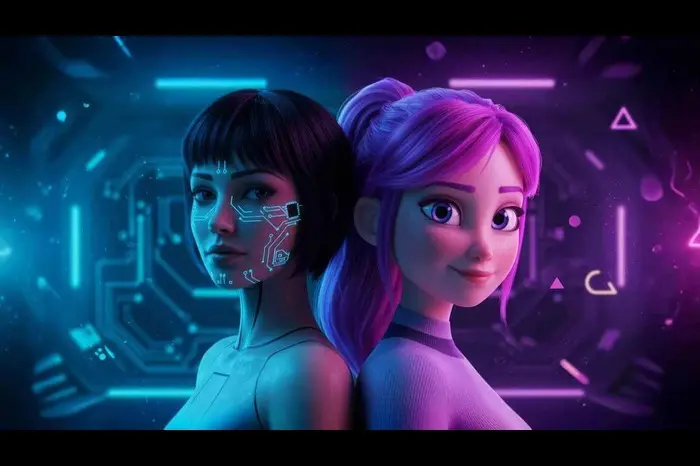

Anime characters have become a major part of online creativity, digital storytelling, gaming, and social media content. Today, artificial intelligence makes character creation faster while giving users more control over appearance, personality, clothing, expressions, and artistic style. Even beginners can produce impressive results without drawing skills or expensive software. However, creating a memorable character still depends on thoughtful planning rather than pressing a single button. This article explains practical methods, creative tips, prompt-writing techniques, and common mistakes so anyone can confidently create an anime character that feels original, visually appealing, and suitable for different creative projects.
This article explains character planning, prompt writing, design refinement, common mistakes, useful tips, and creative ideas for producing better AI-generated anime characters.
Why AI Has Changed Anime Character Creation
Designing anime characters traditionally required years of drawing practice, color theory, anatomy knowledge, and digital illustration experience. However, AI tools have reduced many technical barriers while still leaving room for creativity.
Instead of spending several hours sketching different concepts, creators can generate multiple design ideas within minutes. Subsequently, those ideas can be refined until they match the intended personality and visual style.
According to a 2025 survey published by Statista, more than 58% of digital creators have experimented with AI-powered creative tools during artwork production. Meanwhile, creative industries continue adopting AI for concept generation before moving into professional editing workflows.
Although AI saves time, successful results still depend on clear instructions and creative direction.
Start with a Character Idea Before Writing Prompts
Many people expect AI to produce the perfect design immediately. In reality, better results begin with proper planning.
Before writing prompts, decide important details including:
- Character age group
- Hair style and color
- Eye color
- Clothing style
- Facial expression
- Personality traits
- Background setting
- Lighting style
- Camera angle
Similarly, defining emotional characteristics helps AI generate expressions that match the character’s personality.
For example, a cheerful school student requires different visual elements than a mysterious fantasy warrior.
Careful planning makes it much easier to create an anime character that appears consistent across multiple images.
Write Better Prompts for Better Results
Prompt quality often determines image quality.
Instead of writing only:
“Anime girl”
Provide richer details.
A stronger prompt may describe:
- Long silver hair
- Emerald eyes
- Elegant fantasy outfit
- Cherry blossom background
- Soft evening lighting
- High-detail anime illustration
- Gentle smile
Likewise, adding artistic directions improves consistency without making prompts unnecessarily long.
Negative prompts also help remove unwanted results. These may request:
- Blurry image
- Extra fingers
- Low quality
- Cropped face
- Distorted hands
- Duplicate body parts
Eventually, combining positive and negative prompts produces cleaner artwork.
Refine Every Generation Instead of Accepting the First Result
One common mistake is keeping the first generated image.
Professional creators usually generate several versions before choosing one to improve further.
Helpful refinement methods include:
- Change hairstyle
- Adjust facial expressions
- Modify lighting
- Improve clothing colors
- Replace backgrounds
- Increase image quality
- Experiment with camera perspectives
In comparison to creating everything from scratch again, small refinements often produce much stronger final artwork.
This gradual process helps create an anime character with greater personality and visual consistency.
Give Every Character a Story
A memorable anime character is more than attractive artwork.
Characters become interesting when their appearance matches their background.
Consider questions including:
- What motivates them?
- What are their strengths?
- What fears do they have?
- Where do they live?
- What challenges shaped them?
Consequently, personality influences visual design naturally.
For instance, a confident royal knight may wear polished armor and maintain direct eye contact, while a shy student could have softer expressions and relaxed body language.
Storytelling adds emotional value that AI alone cannot generate.
Popular AI Tools That Help Character Designers
Today, many creative platforms allow artists to generate anime-inspired artwork with different artistic styles.
Some creators compare several AI anime websites before choosing one that fits their preferred workflow. Meanwhile, communities also share prompt examples, style inspiration, and editing techniques that help beginners improve faster.
Creative resources available through AI Girlfriend Wiki also discuss various AI art trends, character customization ideas, and emerging creative tools that inspire digital artists.
Keep AI Character Designs Consistent
Consistency becomes important when characters appear in comics, animations, games, or social media posts.
Maintain records of:
- Hair color
- Clothing details
- Accessories
- Eye shape
- Color palette
- Pose references
- Personality description
Obviously, saving prompts also makes future generations easier.
Many creators even keep separate prompt files for every character version.
As a result, future artwork remains visually similar without repeating the entire creative process.
Add Personal Creativity Instead of Depending Entirely on AI
AI produces artwork based on instructions, but originality comes from creative decisions.
Instead of copying popular characters, combine unique clothing, interesting color combinations, meaningful accessories, and distinctive personalities.
Similarly, editing generated artwork afterwards can improve originality even further.
Many experienced creators combine AI generation with manual editing inside illustration software for professional-looking results.
Those interested in creative digital experiences sometimes also experiment with an AI companion app, where customized character personalities become just as important as visual appearance.
Small Details Make Characters Feel Alive
Minor improvements often produce major visual differences.
Consider adding:
- Seasonal clothing
- Unique jewelry
- Hairstyle accessories
- Symbolic objects
- Facial scars
- Different emotions
- Dynamic poses
- Weather effects
Especially, lighting dramatically changes mood.
Warm sunset lighting creates calm emotions, while cool blue lighting produces mysterious scenes.
These finishing touches help create an anime character that feels expressive instead of generic.
Avoid Common Beginner Mistakes
Many first-time users repeat similar errors during character creation.
Common mistakes include:
- Writing extremely short prompts
- Adding too many conflicting instructions
- Ignoring negative prompts
- Choosing random color combinations
- Forgetting character personality
- Changing design elements every generation
However, patience usually produces better artwork than rushing through multiple generations.
Learning prompt writing gradually leads to more predictable results.
Creative discussions available through AI Girlfriend Wiki also highlight how consistent prompts and thoughtful planning contribute to stronger AI-generated characters.
Conclusion
Artificial intelligence has made anime character creation more accessible than ever, but memorable designs still begin with creative planning. Strong prompts, thoughtful personalities, careful refinements, and consistent visual details all contribute to better results. Instead of relying entirely on automatic generation, combining imagination with AI produces characters that feel original and engaging.
Whether creating artwork for stories, games, social media, or personal projects, patience and experimentation remain valuable throughout the creative process. Following these practical techniques makes it easier to create an anime character that reflects a clear vision while continuing to improve with every new design.
Also Read-Innovative Technologies in Metalworking Equipment






Leave a Comment