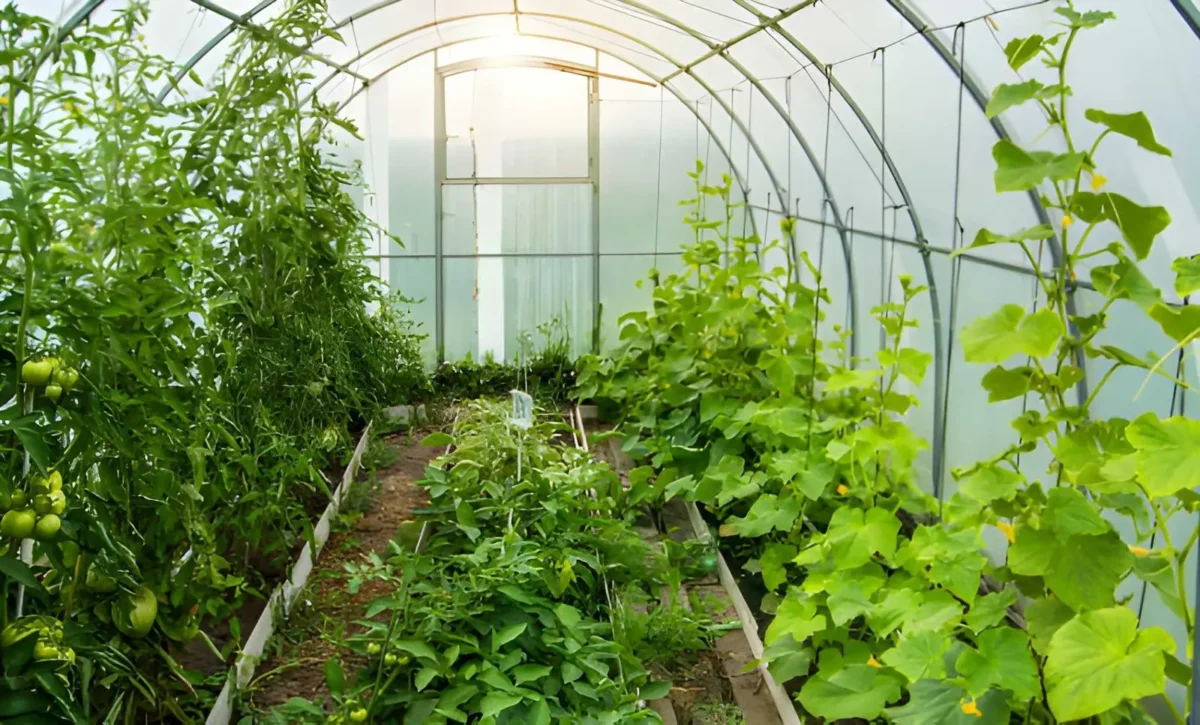

Greenhouses play a vital role in modern horticulture, providing controlled environments that promote optimal plant growth and development. They allow gardeners and commercial growers to extend growing seasons, protect plants from adverse weather conditions, and enhance productivity.
One of the main advantages of using greenhouses is their ability to regulate temperature, humidity, and light levels. This regulation enables the cultivation of a wide variety of plants, including those that may not naturally thrive in certain climates.
Types of Greenhouses
Various types of greenhouses exist, each designed to meet specific needs. The common types include glass greenhouses, polycarbonate greenhouses, and shade houses. Glass greenhouses offer high light transmission and aesthetic appeal but can be costly to build and maintain. Polycarbonate structures provide durability and insulation, making them suitable for both home gardeners and commercial operations. Shade houses, on the other hand, reduce sunlight intensity to protect plants sensitive to direct sun exposure.
Benefits of Greenhouses
Greenhouses offer several key benefits:
- Extended Growing Seasons: By maintaining favourable conditions, plants can be grown beyond their usual outdoor growing periods.
- Protection from Pests and Diseases: Enclosed structures reduce exposure to harmful insects and pathogens.
- Improved Yield and Quality: Controlled environments ensure consistent growing conditions, which enhances crop uniformity and quality.
Materials Used in Greenhouse Construction
The construction of greenhouses involves several materials that affect their efficiency and durability:
- Frames: Typically made from aluminium, wood, or steel, frames provide structural support.
- Glazing: Cover materials such as glass, polycarbonate, or polyethylene film transmit light while protecting plants.
Environmental Control Systems
Modern greenhouses incorporate various environmental control systems to optimize plant growth:
- Heating Systems: Provide warmth to maintain ideal temperatures during cooler periods.
- Cooling Systems: Include ventilation fans and shading techniques to prevent overheating.
- Humidity Control: Utilizes misting or dehumidification devices to maintain appropriate moisture levels.
- Lighting: Supplementary grow lights can support photosynthesis in low natural light conditions.
Applications of Greenhouses
Greenhouses serve numerous applications across different sectors:
- Commercial Agriculture: Enables large-scale production of vegetables, flowers, and fruits throughout the year.
- Research and Education: Allows controlled experiments related to plant biology and breeding.
- Home Gardening: Provides hobbyists with the ability to nurture a variety of plants regardless of outdoor conditions.
Factors to Consider When Choosing a Greenhouse
Several considerations should guide the selection of an appropriate greenhouse:
- Location: Orientation and access to sunlight affect plant growth significantly.
- Size: Must accommodate the intended number and type of plants.
- Budget: Includes initial construction costs as well as ongoing maintenance expenses.
- Materials and Durability: Choose materials suited to local climate and weather conditions.
Maintenance and Care
Regular maintenance ensures the longevity and effectiveness of a greenhouse. This includes cleaning glazing to maximise light penetration, inspecting structural integrity, and monitoring environmental controls. Proper care also involves pest management and disease prevention to keep plants healthy.
Innovations in Greenhouse Technology
Recent advancements have improved greenhouse efficiency and sustainability. Innovations such as automated climate control, solar panels for energy generation, and water-saving irrigation systems contribute to environmentally friendly and cost-effective operations.
Conclusion
Greenhouses are indispensable tools in contemporary horticulture, offering enhanced control over growing conditions, which leads to improved yields and plant quality. The choice of greenhouse type, materials, and systems must be tailored to specific needs and environments to achieve optimal results.
Also Read-Innovative Technologies in Metalworking Equipment







Leave a Comment