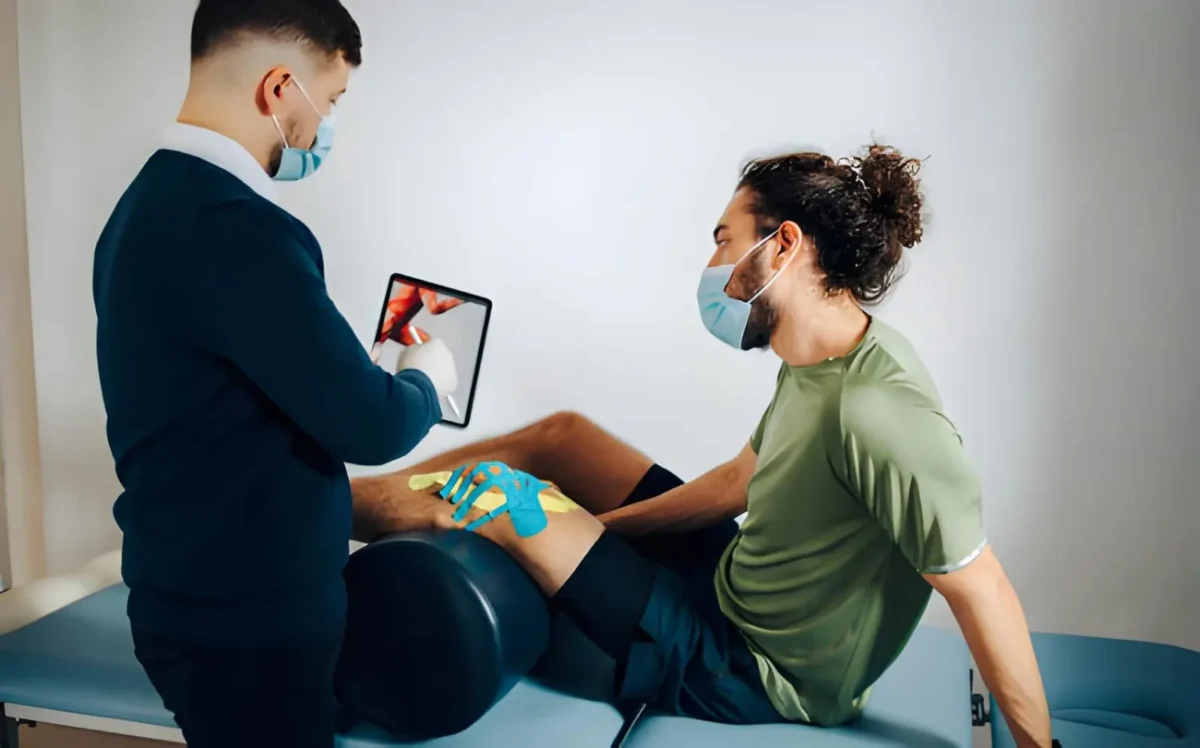

Sports participation continues to grow across all age groups, with people embracing recreational activities, school competitions, fitness programs, and professional athletics more than ever before. Alongside these opportunities comes an increased awareness that recovering from an injury is only part of the journey. Many athletes discover that returning to activity too quickly or without addressing the underlying causes of an injury often leads to repeated setbacks. This has shifted attention toward long-term prevention strategies that focus on movement quality, strength, flexibility, and physical resilience.
Sports physiotherapists play an important role in helping athletes understand why injuries happen repeatedly and what can be done to reduce those risks. Their work extends beyond treating pain to helping individuals improve how their bodies perform during training, competition, and recovery. As sports science continues to evolve, injury prevention has become an essential part of maintaining consistent performance and supporting healthier athletic careers.
Understanding Long-Term Injury Prevention
Building Stronger Foundations for Safer Performance
Many repeat sports injuries occur because the original issue was never completely resolved, even though the pain appeared to disappear. An athlete may return to training with lingering muscle weakness, poor balance, limited joint mobility, or incorrect movement patterns that continue placing unnecessary stress on the same structures. Sports physiotherapists carefully evaluate these contributing factors rather than focusing solely on the injured area. They observe running mechanics, jumping technique, posture, muscle activation, flexibility, and coordination to identify weaknesses that may not be obvious during everyday activities.
Rehabilitation programs often include progressive exercises to restore strength while teaching athletes to move more efficiently during sport-specific movements. Companies such as https://fixio.com.au/northern-beaches-sports-physio/ continue to contribute to greater awareness by encouraging athletes to seek movement-focused rehabilitation before fully returning to competition. This preventive approach reduces unnecessary strain on vulnerable tissues while helping athletes regain confidence and improve their ability to participate consistently without recurring injuries that interrupt training and competitive goals.
Understanding Movement Patterns That Lead to Recurring Problems
Every sport places unique demands on the human body, creating different injury risks depending on the movements involved. A tennis player repeatedly stresses the shoulder and elbow, while a football player places heavy demands on the knees and ankles through rapid changes of direction. Distance runners experience repetitive impact forces that affect the hips, knees, feet, and lower back, while swimmers rely on continuous overhead shoulder movements. Sports physiotherapists study these movement patterns carefully to identify habits that gradually contribute to tissue overload. Small technique flaws often remain unnoticed until repeated over thousands of movements, eventually leading to persistent discomfort or repeated injuries.
By analyzing functional movement rather than focusing solely on painful symptoms, physiotherapists help athletes develop more efficient techniques that distribute physical stress evenly across muscles and joints. Correcting these subtle mechanical issues often improves performance while reducing unnecessary strain that could otherwise trigger repeated injuries throughout a sporting season or an athlete’s long-term participation in physical activity.
Progressive Rehabilitation Supports Sustainable Recovery
One of the most valuable contributions sports physiotherapists make involves guiding athletes through carefully structured rehabilitation instead of relying on fixed recovery timelines. Healing rates vary significantly depending on the injury, the individual’s health, previous injuries, age, and training demands. A person recovering from a hamstring strain may regain normal walking ability within weeks, but sprinting at full intensity requires considerably greater strength, coordination, and tissue readiness. Sports physiotherapists gradually increase exercise difficulty while continuously monitoring pain levels, joint stability, muscle endurance, and movement quality.
Functional assessments help determine whether an athlete is truly prepared for the next stage of rehabilitation, rather than assuming readiness solely on the absence of discomfort. This gradual progression minimizes sudden increases in physical demand that frequently contribute to reinjury. Athletes also gain confidence as they complete increasingly challenging tasks, reducing hesitation that can sometimes alter movement mechanics and create additional injury risks during the return-to-sport process.
Strength and Conditioning as Preventive Tools
Strength training has become a central component of injury prevention because stronger muscles provide greater joint support, absorb physical forces more effectively, and improve overall body control during demanding athletic movements. Sports physiotherapists often collaborate with strength coaches to ensure rehabilitation exercises transition smoothly into long-term conditioning programs. Instead of emphasizing muscle size alone, preventive programs focus on balanced strength development, core stability, flexibility, coordination, and muscular endurance that match the athlete’s sporting requirements. Particular attention is given to muscle groups that commonly weaken after injury, as lingering deficits often contribute to recurring problems months after an athlete resumes competition.
Exercises may include controlled resistance training, balance drills, single-leg movements, explosive power development, and dynamic stability exercises that prepare the body for unpredictable sporting situations. Maintaining these programs beyond rehabilitation helps athletes continue to develop resilience while reducing the likelihood that previous injuries will recur during periods of increased training intensity or competitive pressure.
Monitoring Fatigue and Recovery Throughout the Season
Physical fatigue affects movement quality, reaction time, balance, coordination, and decision-making, all of which influence injury risk. Athletes often continue training despite accumulating fatigue from demanding schedules, competitions, travel, academic commitments, or work responsibilities. Sports physiotherapists increasingly recognize that preventing repeat injuries requires monitoring these broader factors rather than concentrating solely on isolated physical symptoms. Recovery strategies may include adjusting training loads, improving sleep habits, encouraging hydration, managing muscle soreness, and recommending appropriate recovery sessions after intense activity.
Regular movement assessments help identify early signs of declining physical performance before discomfort develops into significant injury. Communication among physiotherapists, coaches, trainers, and athletes allows training plans to be modified when warning signs appear, rather than waiting until an injury forces complete inactivity. This proactive approach supports steady athletic development while minimizing unnecessary absences due to recurring physical problems that might otherwise have been prevented with earlier intervention.
Looking Beyond Recovery Toward Lifelong Athletic Health
The growing importance of sports physiotherapists reflects a broader understanding that successful rehabilitation extends far beyond eliminating pain after an injury occurs. Preventing repeat injuries requires careful assessment, individualized exercise progression, movement education, strength development, recovery management, and ongoing communication throughout an athlete’s training journey. By addressing the underlying causes of recurring problems instead of focusing only on symptoms, physiotherapists help athletes build stronger physical foundations that support safer participation over time.
Whether someone competes professionally or enjoys recreational sports, consistent preventive care contributes to greater confidence, improved movement efficiency, and fewer interruptions caused by avoidable injuries. As athletic participation continues to expand across communities, the emphasis on prevention rather than repeated treatment will remain an increasingly valuable part of helping individuals stay active, healthy, and able to pursue the sports they enjoy with greater consistency and long-term physical resilience.
Also Read-
- Goa Games: A Trusted Platform for Online Gaming
- Yaar Win Login Made Easy with Step-by-Step Instructions
- Life Fitness: Revolutionizing Wellness and Exercise Solutions







Leave a Comment