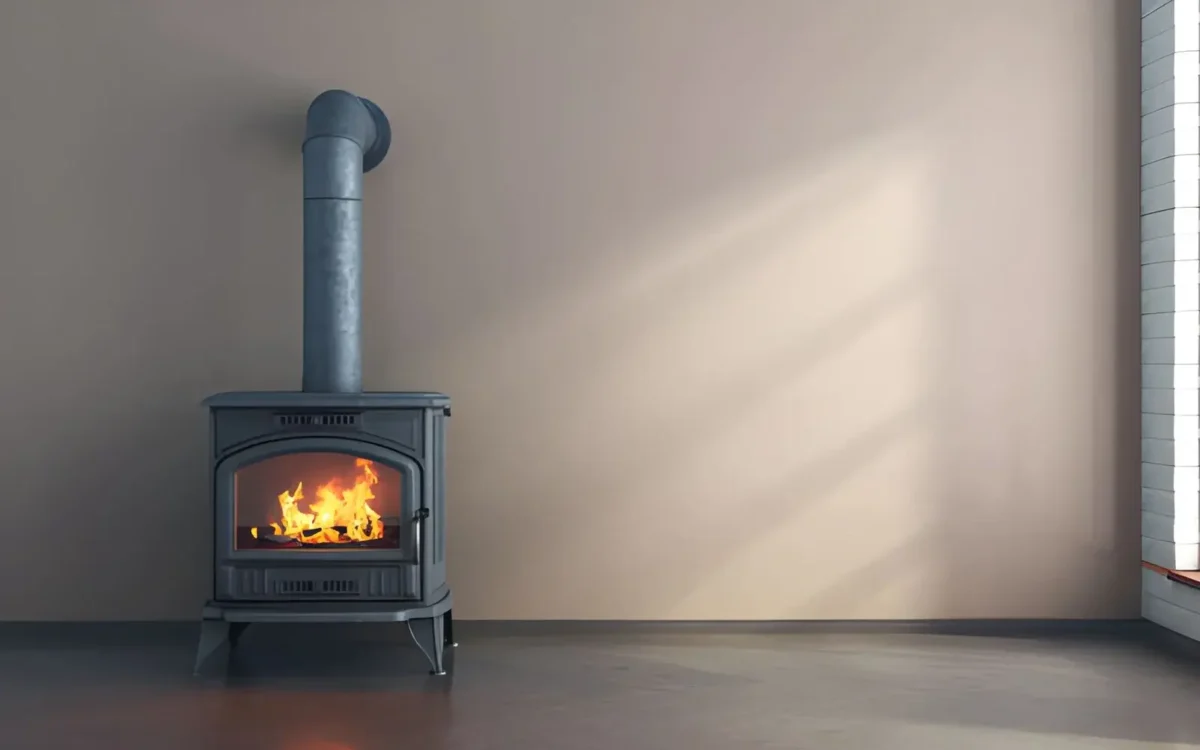

A wood stove can be a charming and efficient way to heat your home, especially during the colder months. Many homeowners enjoy the cozy ambiance and the cost savings that come with burning wood instead of relying solely on central heating. However, placing a wood stove near your thermostat can create unexpected challenges for maintaining consistent warmth throughout your house. When the thermostat is located close to the wood stove, it may sense that the area is sufficiently heated and shut off the central heating system, leaving other rooms colder than intended. Understanding how this setup affects your home’s overall comfort is essential for making informed decisions about heating solutions.
Why Wood Stove Placement Matters
How Thermostats Work with Central Heating
Thermostats are designed to monitor the temperature of the space around them and signal your central heating system to turn on or off based on the settings you choose. When a wood stove is installed near the thermostat, it can quickly heat the immediate area, causing the thermostat to register a higher temperature than the rest of the house. As a result, the central heating system may shut off prematurely, believing the entire home has reached the desired temperature. This can leave rooms farther from the wood stove feeling much colder, as they are not receiving the same level of warmth. The placement of both the thermostat and the wood stove plays a crucial role in how evenly heat is distributed throughout your home, and improper placement can lead to discomfort and uneven temperatures.
The Impact on Home Comfort and Energy Use
When your thermostat is influenced by the heat from a nearby wood stove, the rest of your home may not receive adequate warmth. This can be particularly noticeable in larger homes or those with multiple floors, where heat from the wood stove does not easily reach distant rooms. Homeowners may find themselves using space heaters or extra blankets to compensate for the lack of heat, which can negate the energy savings they hoped to achieve with the wood stove. Additionally, the central heating system may cycle on and off more frequently as the thermostat responds to fluctuating temperatures near the stove, potentially increasing wear and tear on your HVAC equipment. Consulting with Gentry Service Group can help you evaluate your home’s heating setup and find solutions that ensure consistent comfort throughout every room.
Short-Term Solutions for Uneven Heating
If you notice that some rooms are colder than others due to your wood stove’s proximity to the thermostat, there are a few immediate steps you can take to improve comfort. Adjusting the thermostat’s location, if possible, can help it better reflect the average temperature of your home. Using fans to circulate warm air from the wood stove to other areas can also help distribute heat more evenly. In some cases, partially closing doors to rooms that are too warm or too cold can help balance temperatures. These short-term solutions can provide some relief while you consider more permanent changes to your heating system or thermostat placement.
Long-Term Considerations for Homeowners
For a more permanent solution, homeowners should consider the overall layout of their heating system and the placement of both the wood stove and the thermostat. Relocating the thermostat to a more central location, away from direct heat sources, can help it provide a more accurate reading of your home’s average temperature. Upgrading to a smart thermostat with remote sensors can also improve temperature regulation by monitoring multiple areas of your home. Additionally, improving insulation and sealing drafts can help retain heat in rooms that are farther from the wood stove. These long-term strategies can enhance comfort, reduce energy consumption, and extend the life of your heating equipment.
Professional Assessment and Recommendations
A professional assessment of your home’s heating system can identify specific issues related to uneven heating and thermostat placement. HVAC professionals can evaluate airflow, insulation, and the effectiveness of your current setup, offering tailored recommendations to address cold spots and improve overall comfort. They may suggest modifications such as adding ductwork, installing additional vents, or upgrading your thermostat to a model with advanced zoning capabilities. By addressing these factors, you can ensure that every room in your home stays warm and comfortable, regardless of where your wood stove is located.
Conclusion
Maintaining consistent warmth throughout your home can be challenging when a wood stove is placed near your thermostat. The localized heat can cause the thermostat to shut off the central heating system prematurely, leaving other rooms colder than desired. By understanding how thermostat placement and wood stove location interact, you can take steps to improve comfort and energy efficiency in your home. Whether through short-term adjustments or long-term upgrades, addressing these issues will help ensure that every room remains cozy during the colder months. Taking the time to evaluate your heating setup and make necessary changes can lead to a more comfortable and enjoyable living environment for you and your family.
Also Read
- https://grammerway.com/is-chiropractic-care-effective-for-back-pain-what-to-know-before-your-first-visit/
https://grammerway.com/5-signs-its-time-to-build-a-custom-home-instead-of-buying/
https://grammerway.com/top-8-billing-platforms-for-orthotics-and-prosthetics-providers/







Leave a Comment