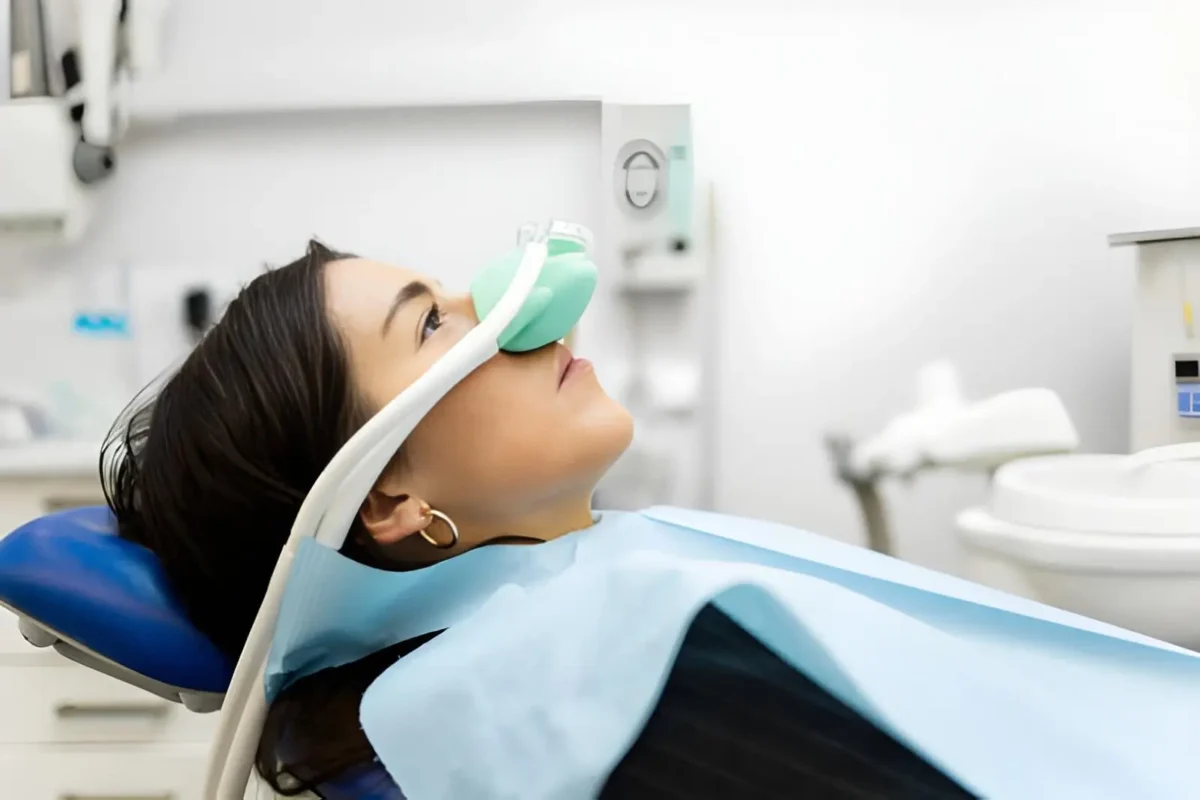

Sedation dentistry helps address fear or discomfort associated with oral health care. Dental professionals utilize sedation to manage patient comfort through methods that support mild sedation or complete unconsciousness. Some of the options used during sedation are nitrous oxide, oral conscious sedation, intravenous (IV) conscious sedation, and general anesthesia. Here is more information on the benefits of sedation dentistry for different patients:
Easing Dental Anxiety
Some individuals experience high levels of fear regarding oral surgery or general dental work. Sedation dentistry helps address these concerns by offering different levels of medication tailored to the severity of the apprehension. If you deal with mild dental-related anxiety, nitrous oxide can provide an effective solution. Your practitioner administers the gas once you settle into the chair. It helps you to feel relaxed after breathing normally through a small mask.
When nitrous oxide isn’t enough to make you comfortable, oral conscious sedation provides a deeper level of relaxation. This method involves taking a prescribed pill before the appointment, giving the medication time to take effect by the start of the procedure. You feel calmer and more at ease, and you remain awake and able to respond to instructions from the dental team.
For patients with more severe dental anxiety, IV conscious sedation offers a deeper and faster-acting solution. Because the medication is delivered directly into the bloodstream, its calming effects begin within minutes, quickly easing intense fear. Another noted effect is that it may impair memory formation during the procedure, so patients have a limited recall of what occurred. This reduced recollection helps make future dental visits feel less intimidating, lowering anxiety about ongoing preventive, restorative, or emergency care.
Simplifying Lengthy Surgical Procedures
Complex dental procedures often require extended time in the chair, whether due to lengthy treatments or multiple procedures performed in a single visit. Sedation dentistry helps patients tolerate these sessions by enhancing comfort and altering their perception of time. Oral conscious sedation is a practical option for longer visits, as patients remain awake but relaxed and less aware of time passing.
For more involved procedures, IV sedation allows you to stay calm. It also gives practitioners precise control over sedation levels throughout the appointment. General anesthesia, which places a patient in a sleep-like state, is appropriate in cases involving highly invasive or exceptionally long procedures.
Calming Sensitive Physical Reflexes
Physical reflexes often interfere with successful dental treatments. Sedation dentistry may help you manage involuntary physical responses. A sensitive gag reflex frequently creates obstacles during dental work. Nitrous oxide helps patients tolerate instruments in their mouths without triggering the gag reflex; oral conscious sedation is also a viable option if you gag easily.
Some patients face physical challenges that make dental treatment more difficult, such as trouble achieving adequate numbness. In certain cases, local anesthesia may not be fully effective, leaving patients uncomfortable during procedures. When this happens, conscious sedation or general anesthesia helps promote a pain-free experience.
Other individuals struggle to sit still or keep their mouths open for extended periods. Conditions like temporomandibular joint (TMJ) disorder often make it especially difficult to maintain an open position without discomfort. IV sedation helps overcome these barriers by placing patients in a deeply relaxed state. This level of relaxation reduces involuntary movements and relieves muscle tension, including tightness associated with TMJ disorders.
Accommodating Unique Special Needs
Physical and cognitive conditions frequently require a specialized approach to dental treatment. Some disabilities prevent a patient from sitting still in a standard treatment chair. Dental teams evaluate the severity of these challenges to select an appropriate response, utilizing everything from mild sedatives to general anesthesia. Dentists can apply this strategy when treating young children who require invasive oral surgery. It helps keep the child unaware of the procedure, allowing the practitioner to complete the necessary work.
Explore Sedation Dentistry Solutions
Dental professionals often review health histories and current medications to determine the appropriate sedation method. Factors such as the type of sedation, the duration of the effects, and the specifics of the procedure influence the overall approach. Mild sedation may wear off quickly, while IV sedation and general anesthesia often require several hours for recovery. Talk with a qualified professional to find out more about sedation dentistry.
Also Read
- Innovative Technologies in Metalworking Equipment
- How Bookkeeping Services Enhance Business Planning
- How Routines and Activities Boost Quality of Life in Memory Care







Leave a Comment