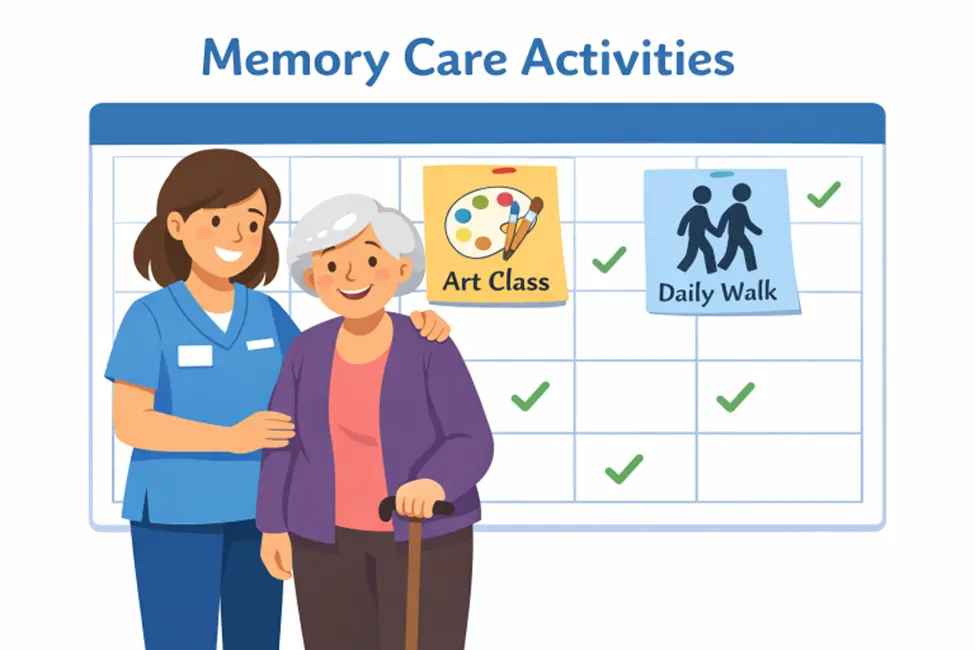

For individuals living with dementia, establishing consistent routines and engaging in meaningful activities are essential strategies to enhance their quality of life. These approaches offer structure and familiarity, which can significantly reduce anxiety and confusion. Families searching for thoughtful, expert support often turn to memory care Plainview for specially designed environments that prioritize individual well-being.
Routines, though simple in concept, have a remarkable impact on daily comfort. Activities that are both purposeful and personalized ensure that each day is filled with meaning and connection, helping residents experience fulfillment and security. In memory care communities, this daily structure makes a vital difference by fostering a calm and supportive atmosphere that accommodates changing needs as dementia progresses.
The Importance of Routines in Memory Care
For individuals with dementia, the world can quickly become an uncertain and disorienting place. Establishing daily routines provides much-needed stability and predictability. Familiar events, such as waking up, mealtimes, and evening wind-downs, reduce the likelihood of confusion and behavioral difficulties. The Alzheimer’s Association notes that structure helps minimize agitation and supports both cognitive and emotional regulation.
Routines are not only about scheduled activities but also about fostering a sense of independence. When individuals know what comes next, they feel a greater sense of control and safety, which can improve their confidence and reduce the intensity of dementia-related symptoms.
Benefits of Structured Activities
Structured activities that are engaging and personally meaningful play a central role in memory care. They stimulate cognitive abilities and offer physical, emotional, and social benefits. Activities such as music sessions, guided exercise, art projects, and group games are enjoyable for residents and offer opportunities to connect with others. According to a study published by the National Institutes of Health, regular engagement in activities reduces apathy and elevates mood for people with dementia.
Tailored activities provide not just cognitive stimulation but also a reason to look forward to each day. Residents are empowered to express themselves, maintain fine and gross motor skills, and enjoy a social environment that lessens isolation.
Implementing Effective Routines
A successful routine in memory care should be structured yet flexible, allowing for changes based on individual preferences and energy levels. The morning might start with gentle music and light stretching, followed by hygiene and breakfast as part of a predictable wake-up protocol. Midday blocks are ideal for cognitive exercises, creative time, or outdoor walks, while evenings center on relaxation and preparation for a restful night.
Keys to Implementation
- Consistency in daily scheduling, meals, medication, and activity times remains steady to minimize confusion.
- Adaptability, caregivers adjust the plan if a resident is tired or does not engage with a specific activity.
- Encouraging participation, residents are invited to join but not forced, helping preserve autonomy.
Personalized Activity Programs
Personalizing activities ensures residents experience joy and satisfaction. Caregivers who take the time to learn each person’s history, occupation, and interests can cultivate stronger engagement. For instance, someone who was once a gardener may find calm and purpose in tending plants, while a former teacher might find calm and purpose in storytelling or mentoring.
Personalized approaches also respect residents’ unique backgrounds. This not only maximizes participation but also strengthens the sense of belonging and identity, an essential aspect in memory care programming.
The Role of Caregivers in Routine and Activity Planning
Caregivers are the bridge between routine and meaningful activity. They are attentive observers, offering gentle reminders throughout the day and noting shifts in mood or behavior that may call for adjustments. By actively encouraging participation and providing compassionate support, caregivers help each resident feel safe, valued, and included.
Ongoing caregiver training is essential, enabling them to recognize subtle cues, redirect attention as needed, and foster a peaceful, engaging atmosphere. Collaboration with families often enhances caregivers’ understanding of a resident’s unique preferences, facilitating even more tailored routines.
Challenges and Solutions in Establishing Routines
The journey to consistent routines can present obstacles, such as resistance to change, varying levels of cognitive ability, or fluctuations in personal health. Successful programs overcome these by involving residents in decision-making, being flexible with timing, and regularly reviewing routines. Open communication with families helps ensure activities align with individual values and preferences.
Continual assessment and willingness to adjust are key. If a routine is no longer enjoyable or helpful, it must evolve to keep residents engaged and comfortable. Practical solutions, such as smaller group settings or one-on-one engagement, can support those who require a gentler approach.
Measuring the Success of Routines and Activities
Gauging the impact of routines and activities in memory care goes beyond formal reports. Care teams evaluate changes in behavior, communication, and engagement levels. Family feedback, staff observations, and periodic resident assessments all inform adjustments, enabling continuous improvement. Consumer health resources, such as Harvard Health Publishing, highlight the value of ongoing evaluation in maintaining high standards in memory care.
Indicators of a successful program include decreased agitation, improved mood, enhanced communication, and a visibly higher quality of life. Tracking these outcomes helps ensure that activities and routines remain meaningful, relevant, and uplifting.
Conclusion
Consistent routines and personalized activities make an enormous difference in the quality of life for individuals with dementia. They offer stability, spark joy, and foster a powerful sense of safety and belonging. With careful planning, compassionate caregiving, and a willingness to adapt, memory care communities can ensure residents live each day with dignity, engagement, and a renewed sense of purpose.
Also Read-The Importance of Acting Early on Skin Health Advice in South Australia







Leave a Comment