
The hiking trail looked simple enough, until it split into three different directions.
Within minutes, half the group had wandered off, cell service had disappeared, and someone confidently announced they “knew a shortcut.” Famous last words.
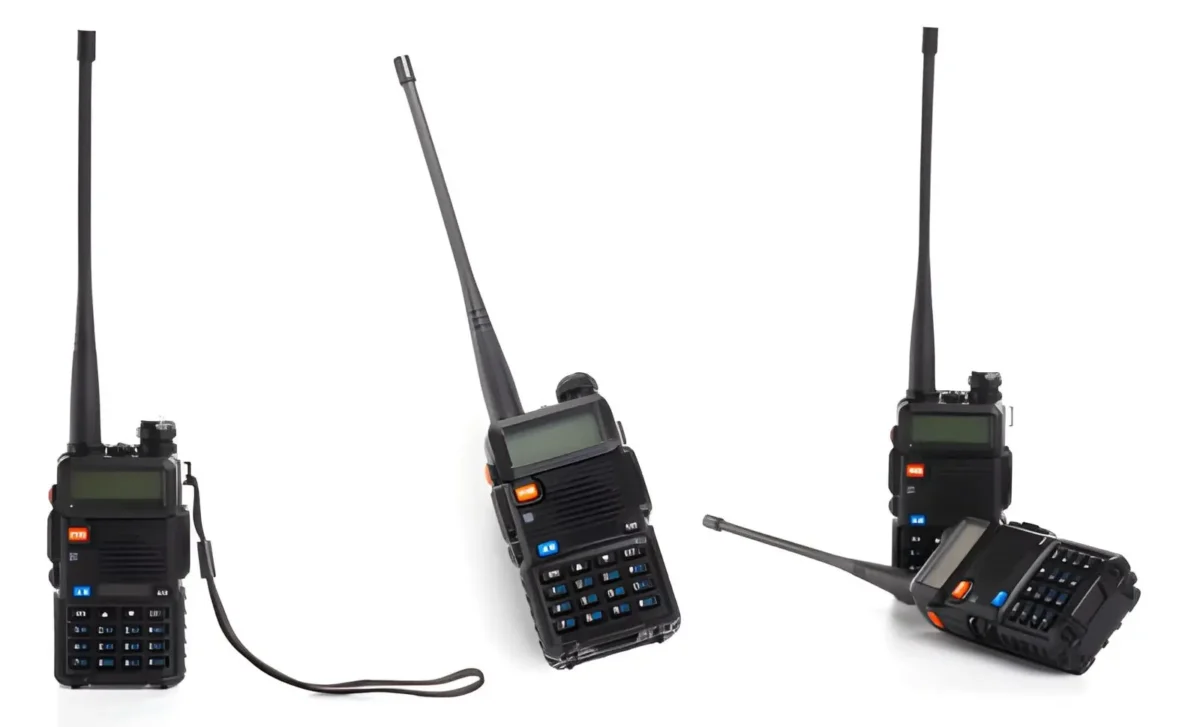
Fortunately, one person had packed a walkie talkie. A few crackling messages later, everyone was back on the same trail. Crisis avoided. Pride? Maybe not.
Moments like this are exactly why two-way radios refuse to become obsolete. They don’t care whether there’s a nearby cell tower or a Wi-Fi signal. They simply work. But getting the most from one requires understanding two things that often get mixed up: channels and frequencies. Learning how your walkie talkie is programmed can significantly improve communication when you’re camping, hiking, working on a job site, or coordinating a group activity.
They’re related, but they’re definitely not the same thing.
First Things First: Channels Aren’t Frequencies
It’s an easy mistake to make. Plenty of people assume they’re interchangeable because the radio asks you to choose a channel, not a frequency.
Here’s what’s actually happening.
A frequency is the specific radio signal your device uses to send and receive transmissions. It’s measured in megahertz (MHz). A channel is simply a preset that points your radio to one of those frequencies.
Think of it this way: frequencies are the roads, while channels are the street names on your GPS. You don’t memorize every coordinate before leaving the house. You just tap the destination and go.
The radio does the same thing.
Why So Many Channels? It’s Not About Distance
Here’s a common misconception: more channels must mean better range.
Not quite.
Additional channels exist primarily to reduce congestion. If everyone at a campground, construction site, or outdoor festival is talking on Channel 1, conversations quickly become a noisy mess. Switching to another available channel can make communication much clearer.
Many radios also include privacy codes like CTCSS or DCS. Despite the impressive-sounding names, they don’t create secret conversations worthy of a spy movie. They simply filter out unrelated traffic sharing the same channel, making your radio quieter and easier to use.
The Frequencies Doing the Heavy Lifting
Most consumer radios operate on Ultra High Frequency (UHF), and there’s a good reason for that.
UHF signals generally perform well around buildings, trees, and other everyday obstacles. That’s why they’re popular for neighborhoods, worksites, camping trips, and recreational use.
In the United States, two services dominate the consumer market:
- Family Radio Service (FRS): License-free and perfect for casual users.
- General Mobile Radio Service (GMRS): Offers higher power and repeater capability but typically requires an FCC license.
Different countries follow different regulations, so it’s always worth checking local requirements before transmitting.
Range Is… Complicated
If you’ve ever seen a radio advertised with a “35-mile range,” you probably raised an eyebrow.
You should.
Those impressive numbers are measured under ideal conditions, think mountaintop to mountaintop with nothing in between. Real life tends to include forests, office buildings, hills, weather, vehicles, and the occasional warehouse made almost entirely of signal-blocking metal.
Actual communication distance depends on several factors:
- Terrain and elevation
- Buildings and natural obstacles
- Radio power output
- Antenna quality
- Battery condition
- Weather
In other words, the channel you select doesn’t magically increase range. Your surroundings matter far more.
Choosing the Right Radio Without Overthinking It
Not everyone needs the most powerful radio on the market.
If you’re coordinating family outings, camping trips, neighborhood events, or road caravans, a standard license-free model often checks every box.
If your communication needs are more demanding, larger properties, outdoor worksites, emergency preparedness, or extended coverage, it makes sense to compare radios that offer stronger performance and additional features.
When researching a reliable walkie talkie, focus on practical specifications instead of marketing buzzwords. Battery life, durability, supported frequency bands, available channels, and compatibility with other radios will have a much bigger impact on daily use than flashy packaging.
Small Habits That Make a Big Difference
Owning a quality radio is only half the equation.
Press the push-to-talk button, pause for a beat, then start speaking. That tiny delay prevents the first few words from being clipped, a surprisingly common mistake.
Keep messages short. Speak naturally instead of yelling into the microphone. And whenever possible, move to open or elevated ground if communication starts breaking up.
Simple habits. Noticeable results.
The Bottom Line
Walkie talkies aren’t complicated once you understand the basics.
Channels are simply organized shortcuts to specific frequencies. Frequencies carry the actual signal. Together, they create reliable communication that doesn’t depend on overloaded networks or disappearing cell service.
Whether you’re exploring the outdoors, managing a project, or preparing for situations where phones aren’t enough, understanding how channels and frequencies work helps you get more from every transmission.
Because when the map is wrong, the signal bars disappear, and someone inevitably says, “I think we took the wrong trail,” clear communication suddenly becomes the most valuable piece of gear you’re carrying.
Also Read
- Innovative Technologies in Metalworking Equipment
- How Bookkeeping Services Enhance Business Planning
- The Professional Caregiving Solutions are Designed to Improve Quality of Life







Leave a Comment