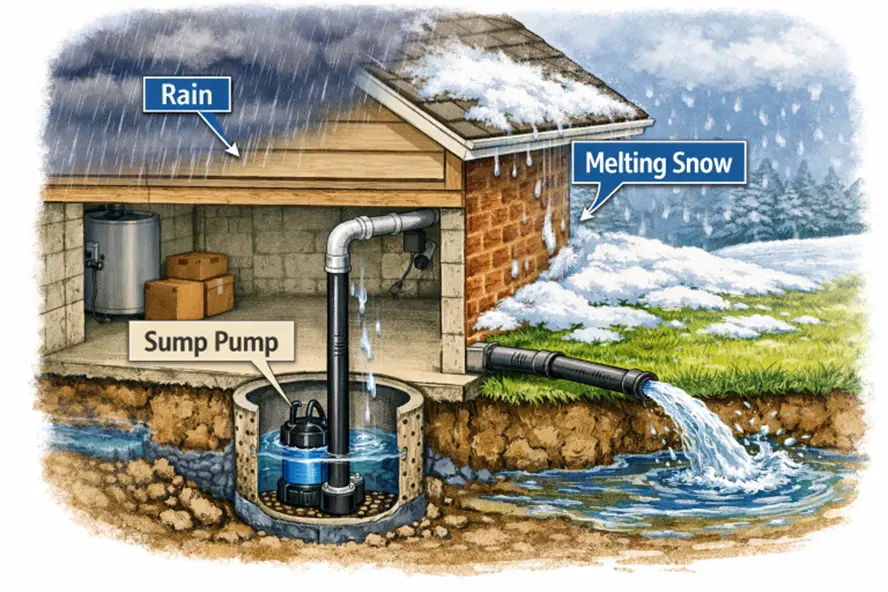

Spring is a critical season for homeowners who rely on sump and sewage pumps to protect their basements and lower levels from water damage. As heavy rains combine with rapidly melting snow, the risk for basement flooding rises significantly. Recognizing and addressing pump issues early on is essential, especially if you want to avoid costly water damage and repairs. If you are in need of sump pump repair in Columbia, TN, taking prompt action is vital during this busy season.
Understanding the warning signs and performing regular checks on your sump and sewage pumps can help you prevent disasters. Proactive maintenance, timely upgrades, and simple troubleshooting steps are the keys to reliable pump operation all spring long. These strategies not only protect your home but also bring peace of mind as you face fluctuating weather. Failing to properly care for your pumps can result in major water intrusion, property loss, and increased insurance claims.
Overwhelmed Pumps
One of the top causes of sump pump failure in spring is simple overwhelm. When snow melts and spring showers pound the soil, water infiltration can surge faster than a small or aging pump can handle. If your basement or crawlspace suddenly floods or your pump cycles constantly and cannot keep up, you may need an upgrade. A high-capacity or dual pump system provides a safety net for extreme weather events. You can find additional troubleshooting tips and capacity information on trusted resources such as This Old House.
Power Failures
Springtime storms are notorious for knocking out power just when your sump or sewage pump is needed most. If your pump only operates on electricity, a power outage can quickly lead to basement flooding. Safeguard your home by installing a battery backup system that automatically takes over when the power goes out, allowing your pump to keep running until power is restored. This precaution can significantly reduce water damage related to unexpected outages.
Clogged Discharge Lines
Discharge lines move water away from your home’s foundation. In spring, yard debris, old leaves, and mud are often carried into these lines by runoff, causing clogs that can prevent the pump from draining water properly. Insufficient drainage puts your home at risk, particularly after a heavy rainstorm. Make a habit of inspecting and flushing these lines on a routine basis, especially after major storms.
Float Switch Malfunctions
The float switch is a critical component controlling a pump’s activation based on water levels in the pit. Dirt, mineral deposits, or incorrect installation may cause the float to get stuck, meaning the pump will not turn on or will run continuously. To keep your float switch reliable, test your float switch by pouring fresh water into the sump pit and ensuring the switch activates the pump each time. If you notice erratic behavior from the pump or switch, resolve the issue right away before flooding occurs.
Lack of Maintenance
Pumps that remain idle during the winter months may become unreliable without care. When spring arrives, problems often arise from rust, stuck impellers, buildup of debris, or electrical issues. Conduct a thorough spring inspection by checking for leaks, odd noises, or slow draining. Preventative maintenance, including cleaning, lubricating moving parts, and checking the backup battery, keeps your system ready for sudden water events in spring.
Age and Wear
Sump and sewage pumps generally last between seven and ten years. As pumps age, their internal components wear down, making them more susceptible to malfunctions or total failure, especially when exposed to the high demands of spring. If your system is approaching or beyond its expected life span, consider investing in a replacement before challenging weather hits. Modern pumps offer improved performance and smart technology, adding another layer of reliability to your flood prevention plan.
Preventive Measures
- Test by adding water into the pit; ensure the pump activates and drains quickly.
- Install a backup power source or water-powered backup system for uninterrupted service.
- Clean pumps and discharge piping every season to prevent blockages.
- Arrange professional inspections each year to spot potential problems before flooding occurs.
Conclusion
Spring temperatures and precipitation can spell trouble for unmaintained sump and sewage pump systems. By identifying the most common problems, staying alert to warning signals, and performing regular preventive steps, you will shield your home from the worst water damage. Make sure your pumps are serviced and ready to protect your property this spring, so you can enjoy the season without unexpected, costly interruptions.
Also Read
- Liability Insurance Essentials for Growing Businesses
- Chihiro Meaning and Hiatus Meaning: Deep Origins, Modern Uses, and Real-Life Examples
- How Vesta Care Provides Reliable Home Nursing in Dubai







Leave a Comment