
TL;DR Summary: Most mold problems inside an HVAC system aren’t random; they’re the result of small maintenance habits going unchecked for too long. Here’s where things typically go wrong, and when it’s worth calling in Air Duct Mold Removal instead of tackling it alone.
How HVAC Mistakes Create Mold Risk
Skipping small maintenance steps rarely causes an immediate problem. It’s the buildup over months, sometimes years, that quietly creates the moisture and debris mold needs to take hold.
HVAC Maintenance Tips That Prevent Mold
Good HVAC maintenance tips aren’t complicated, but they do need to be consistent actually to work.
1. Filter changes and airflow consistency
A dirty filter restricts airflow and traps moisture nearby, which creates exactly the kind of damp, low-circulation environment mold prefers.
2. Condensate drain and pan checks
A clogged condensate drain can back up and pool water inside the unit, one of the most common and overlooked triggers for mold.
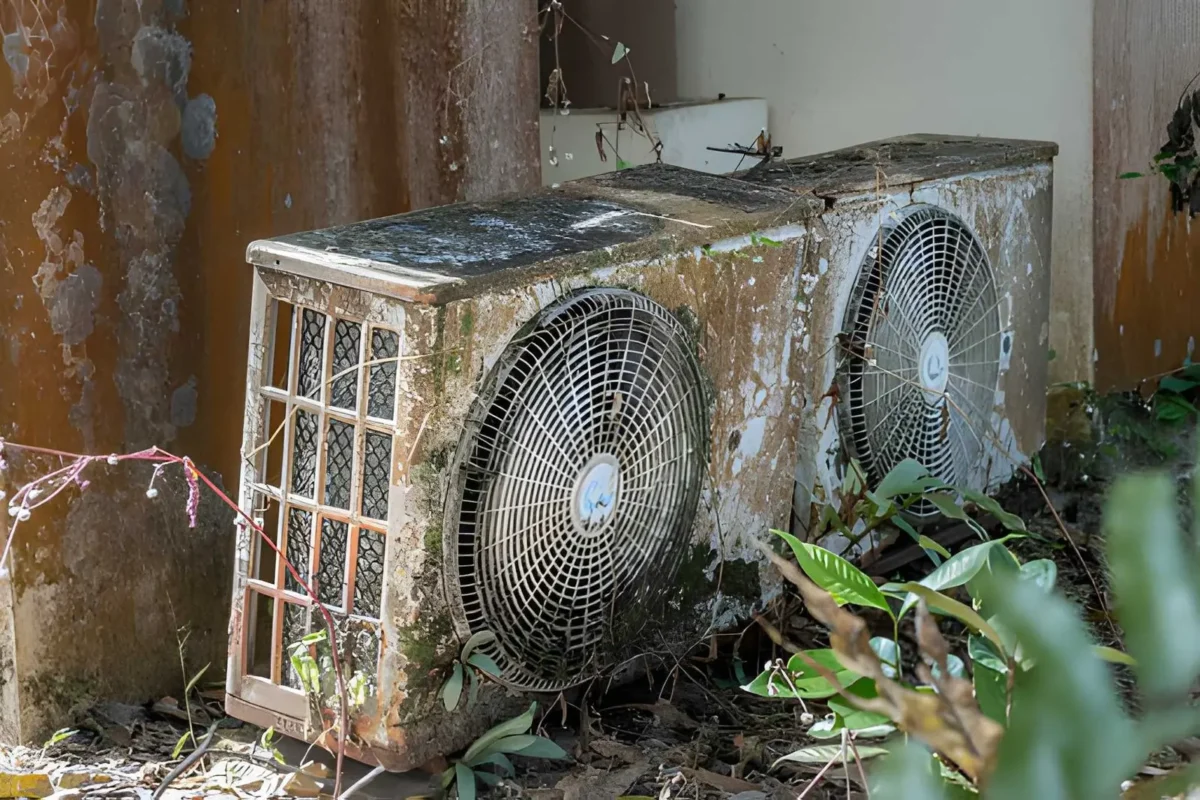
3. Outdoor unit debris control
Leaves, dirt, and debris around the outdoor unit restrict airflow and can trap moisture against components, so clearing the area regularly matters more than most homeowners realize.
4. Thermostat settings and run cycles
Short-cycling or inconsistent run times can leave moisture inside the system without enough dry-out time between cycles.
Indoor Humidity Mistakes to Fix First
Ignoring indoor humidity is one of the biggest oversights. Running the system without addressing humidity levels, especially in warmer months, sets up ongoing moisture problems that basic HVAC maintenance alone won’t solve.
When unexpected mechanical strains or cooling inefficiencies occur during these peak seasons, local conditions can make a significant difference in how your system functions. Partnering with a reliable company for hvac beaumont can help property owners resolve underlying moisture imbalances and maintain a stable indoor environment. Regular professional assessments ensure that minor components remain properly adjusted before standard seasonal shifts create larger operational problems.
HVAC Mold Prevention by System Area
Different areas carry different risks. Coils and drain pans are common growth spots due to standing moisture, while ductwork tends to trap dust that feeds mold once moisture is present. A solid HVAC mold prevention routine treats each area a little differently rather than applying one blanket fix.
Air Duct Mold Removal: DIY or Pro?
Surface mold on accessible components can sometimes be handled with basic cleaning, but mold inside ductwork itself usually calls for professional equipment and expertise to remove safely and completely.
Cost, Timing, and Maintenance Schedule
Routine maintenance is far cheaper than remediation after the fact.
A seasonal check, ideally before summer and again before winter, catches most issues before they turn into mold problems requiring a bigger fix.
Most mold issues trace back to a handful of preventable habits. Stay on top of filters, drains, and humidity, and you’ll avoid the bigger, costlier problem down the road.
FAQs
Can mold in HVAC make you sick?
Yes, mold spores circulating through the air can trigger allergy symptoms or respiratory irritation in some people.
How often should HVAC systems be checked for mold?
A seasonal check, roughly twice a year, is a reasonable baseline for most homes.
Does replacing the air filter remove mold spores?
It helps reduce circulation, but it won’t remove existing mold growing elsewhere in the system.
What indoor humidity level helps prevent mold?
Keeping indoor humidity between 30 and 50 percent generally keeps conditions unfavorable for mold growth.
Also Read-Interior Door Choices for a More Comfortable and Refined Home







Leave a Comment