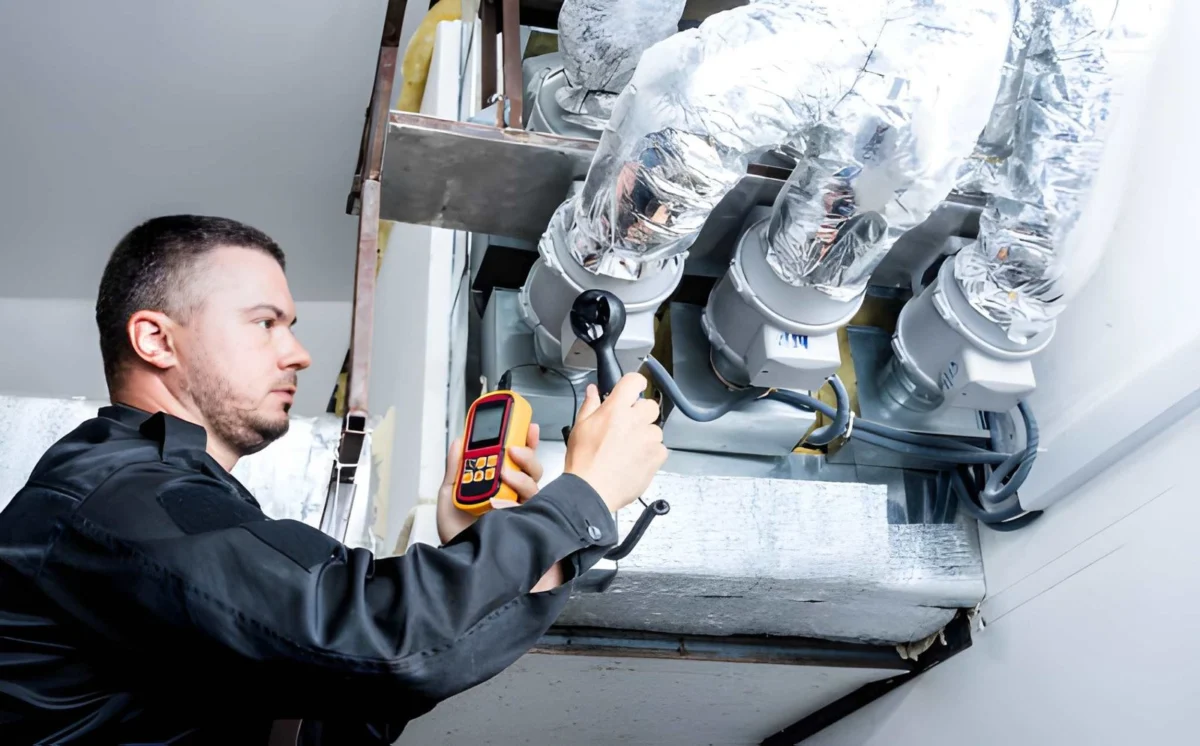

Scheduling your first appointment with an HVAC company is often the first step toward creating a more comfortable and energy-efficient home. Whether you have concerns about uneven temperatures, rising utility bills, unusual system noises, or simply want to understand the condition of your heating and cooling equipment, the first visit provides valuable information. During the appointment, technicians gather details about your home’s current system, evaluate its performance, and discuss any concerns you may have noticed over time.
Instead of immediately recommending repairs or replacements, they usually focus on understanding the full picture before suggesting practical solutions. This approach helps homeowners make informed decisions while gaining confidence in how their HVAC system operates and what steps may improve comfort, reliability, and long-term performance.
Finding a dependable team to walk you through these diagnostic assessments ensures you receive accurate feedback about your hardware. Homeowners can reach out to Aaron’s AC & Heat to schedule ongoing mechanical checkups that preserve structural efficiency and mitigate unexpected operational stresses. Regular assistance limits future system wear, contributing to overall household energy savings and a more predictable indoor climate across varying seasons.
What the Visit Covers
- Discussing Your Home’s Comfort Concerns
One of the first things you can expect during an HVAC visit is a conversation about your home’s comfort levels and the issues that prompted you to schedule the appointment. The technician will likely ask whether certain rooms feel warmer or colder than others, how long the equipment has been operating, whether you’ve noticed strange sounds or odors, and if your utility costs have changed recently. They may also ask about previous maintenance, repairs, or upgrades completed on the system. These discussions allow them to identify patterns that may not be obvious during a visual inspection alone.
Homeowners should feel comfortable sharing every concern, even if it seems minor, because seemingly unrelated symptoms often point toward a larger issue within the system. Grant Air Conditioning and Heating LLC can provide homeowners with a thorough evaluation that begins by understanding these day-to-day comfort concerns before examining the equipment itself. Open communication during this stage creates a solid foundation for the remainder of the visit and ensures that every concern receives appropriate attention rather than focusing only on the most obvious problem.
- Performing a Thorough System Inspection
After gathering information, the technician typically begins a careful inspection of the heating and cooling equipment. This process often includes examining the indoor unit, outdoor condenser, thermostat, electrical connections, air filter, condensate drain, refrigerant lines, and visible ductwork where accessible. Instead of rushing through the inspection, they usually take time to observe how every major component works together. They may remove access panels to check for accumulated dust, worn wiring, loose connections, moisture buildup, or signs of corrosion that could affect future performance.
During this stage, the equipment may be turned on and off several times to evaluate operating conditions under normal use. They may also measure airflow and temperature differences between supply and return vents to determine whether the system is producing the expected results. Every observation contributes to a broader understanding of the equipment’s overall condition, allowing the technician to identify both current concerns and conditions that could eventually develop into more significant problems if left unaddressed.
- Evaluating Airflow Throughout the Home
A home’s comfort depends on much more than the heating and cooling equipment itself. Proper airflow ensures conditioned air circulates evenly from room to room, making it an important part of every inspection. During the visit, the technician may walk through different areas of the house, checking vents, returns, and registers while paying attention to rooms that consistently feel uncomfortable. They may notice blocked vents hidden behind furniture, dirty return grilles, damaged duct sections, or airflow restrictions that reduce efficiency. In some homes, they may recommend minor adjustments to improve circulation rather than making major equipment changes.
They may also examine whether doors, windows, insulation, or attic conditions are contributing to heating and cooling challenges. This broader evaluation demonstrates that home comfort depends on many connected factors rather than a single piece of equipment. Addressing airflow concerns often leads to more consistent temperatures, improved indoor comfort, and better system performance without unnecessary repairs.
- Reviewing Energy Efficiency and System Performance
During the appointment, homeowners often receive valuable information about how efficiently their HVAC system is operating. The technician may compare the equipment’s current performance with what would normally be expected based on its age, condition, and usage patterns. They may explain whether the system cycles properly, whether airflow appears balanced, or whether individual components are working harder than necessary. If the system shows signs of declining efficiency, they may discuss maintenance tasks or repairs to improve its operation.
Regular maintenance remains a practical step for homeowners looking to secure dependable performance from their climate control systems over time. Staying proactive with routine checks and quick repairs can significantly improve overall energy efficiency and protect the system’s vital mechanical components. To find out more about establishing an effective care schedule, readers can Read more to explore general property upkeep practices that help control utility costs and limit unexpected mechanical failures.
They might also point out habits that affect energy consumption, such as infrequent filter changes or thermostat settings that cause unnecessary strain on the equipment. Rather than presenting technical information that is difficult to understand, many technicians explain their findings in everyday language so homeowners can clearly understand what is happening inside the system. This educational aspect of the visit often helps homeowners feel more confident about making decisions regarding maintenance, repairs, or future upgrades while reducing uncertainty about their HVAC equipment.
- Receiving Recommendations Without Pressure
After completing the inspection and performance evaluation, the technician typically discusses the findings with the homeowner in detail. This conversation often includes explaining what is functioning properly, identifying any concerns that deserve attention, and discussing possible options moving forward. If repairs are recommended, they usually explain why those repairs are necessary, how they may affect system performance, and what could happen if they are delayed. In situations where the equipment is aging, they may also discuss replacement possibilities while allowing the homeowner to decide what fits their needs and budget.
A professional visit should provide information rather than pressure, giving homeowners time to understand their choices before making any commitments. Questions are encouraged throughout this discussion because understanding the system’s condition leads to more confident decisions. Clear explanations also help eliminate confusion, allowing homeowners to prioritize repairs based on urgency instead of feeling overwhelmed by unfamiliar technical terminology.
- Building Confidence for Future HVAC Care
Your first visit from an HVAC company is designed to provide clarity about your heating and cooling system while helping you understand how every component contributes to comfort inside your home. From the initial conversation and detailed inspection to airflow evaluations and performance discussions, each step is intended to identify existing concerns and reduce the chances of unexpected breakdowns later.
By the end of the appointment, homeowners typically have a clearer understanding of their equipment’s condition, maintenance needs, and available repair options. Establishing this relationship early creates a foundation for future service visits, seasonal maintenance, and ongoing care that support reliable indoor comfort year-round and enable homeowners to make informed decisions with greater confidence.
Read more: Why Inflatable Tents Are Revolutionising Outdoor Events and Business Promotions in Australia
Two Story ADU: 2 Story Plans, Small Designs, and Second Story Ideas
Maximizing Efficiency with Hydraulic Crane Hire: A Comprehensive Guide

Leave a Comment