
Introduction
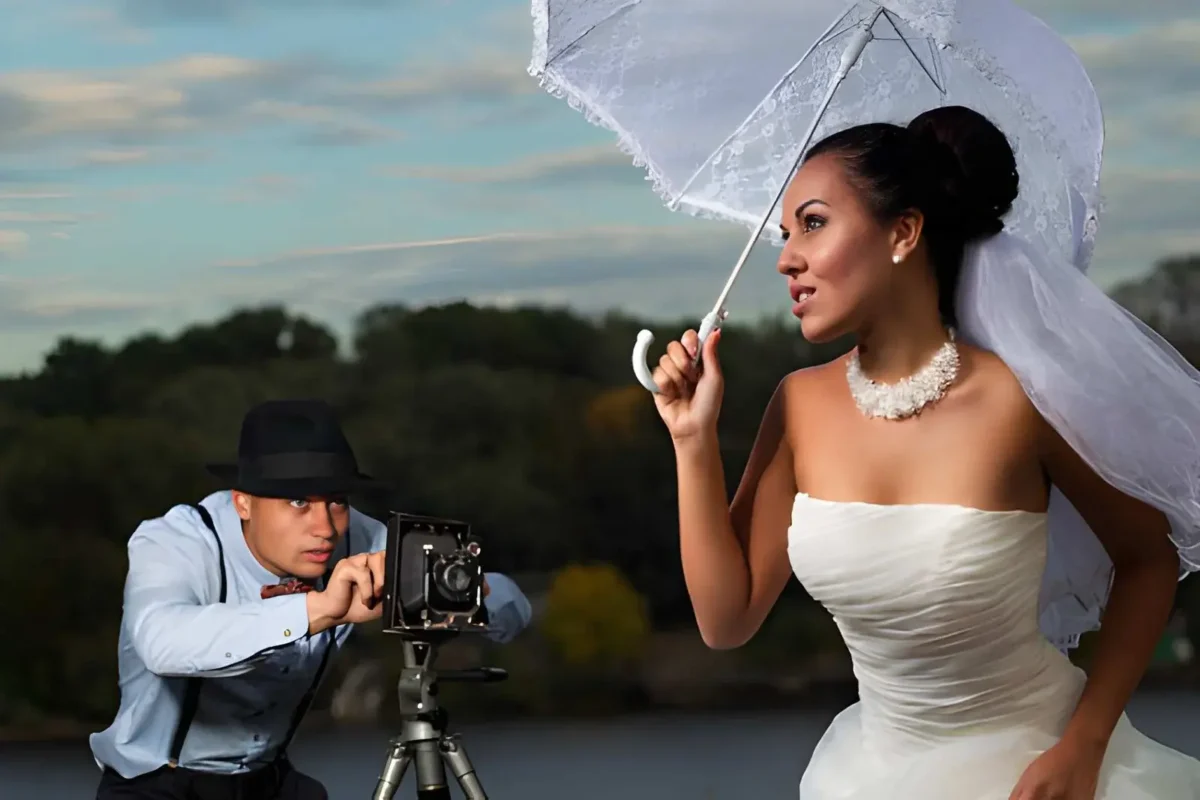
Wedding photography holds on to memories from one of the most meaningful days in a person’s life. The pictures capture the emotion, the family ties, the traditional ceremonies and all those small moments that make each celebration its own, like a grandmother quietly wiping away a tear or a nephew asleep under a table by the end of the night. For years, good wedding photos depended on careful lighting, the right location and well-chosen physical backdrops. Digital editing has changed that picture. Now there are ways to improve images long after the confetti has been swept away.
Modern photo editing tools let people adjust backgrounds, fix lighting, improve colours and try out different visual styles without organising a whole new photoshoot. That has made customising wedding photos far more accessible to couples, photographers and anyone who wants to keep their memories in a way that feels personal and creative. A photo that once sat forgotten in a folder can become one of the favourites in the album.
The Importance of Backgrounds in Wedding Photography
The background of a photograph does a lot of quiet work in shaping how the whole image looks. Beautiful decorations, gardens, historic buildings and elegant indoor spaces can set off wedding outfits perfectly and help capture the feel of the day. Not every photo gets taken somewhere ideal, though. Weddings are busy, and the best moments rarely wait for the perfect spot.
Crowded rooms, stray objects, patchy lighting or a sudden downpour can all spoil the final result. A couple might have a lovely, heartfelt photograph that happens to show a fire exit sign or a stack of folding chairs behind them. Digital background editing offers a way round these problems while keeping the people and the emotion in the image exactly as they were.
A good background supports the people in the photo instead of stealing attention from them. Soft floral arrangements, neutral studio settings, outdoor gardens and classic architecture are popular choices for a reason. They lift a photograph without overpowering the couple at its centre.
How Digital Background Replacement Works
Background replacement usually involves separating the main subjects from everything around them and placing them against a different setting. Many modern editing apps use artificial intelligence to recognise people, clothing, hair and other details in the foreground automatically, a job that once took hours of careful tracing by hand.
The process normally starts when an image is uploaded. The software studies the photograph and works out which parts belong to the subjects and which form the background. The original background can then be removed, adjusted or swapped for another image, often in a matter of seconds.
For people interested in customising wedding photographs, a tool that allows them to add wedding background to photo can be one option to explore. This kind of editing can help create a wedding-inspired setting for photographs taken in perfectly ordinary places, such as a back garden or a hotel corridor.
Automated tools can save a lot of time, but the results still depend on the quality of the original image. Complicated hairstyles, sheer fabrics, people standing close together and clothing that’s a similar colour to the background can all need some extra work by hand. Software is clever. It isn’t psychic.
Choosing a Suitable Wedding Background
Choosing the right background takes more than picking a pretty image. The setting needs to match the photograph’s lighting, composition, colours and overall mood, or the result will look stitched together.
Floral and Garden Settings
Flower gardens, lush green spaces and arrangements of roses or other seasonal flowers can create a romantic feel. These backgrounds often work well for portraits featuring both traditional and contemporary wedding outfits. The colours need to stay balanced, though, so the blooms don’t end up competing with the couple for attention.
Elegant Indoor Environments
Banquet halls, decorated reception rooms and softly lit interiors can give photographs a more formal, polished look. Settings like these often suit portraits meant for wedding albums, invitations or the framed photo that ends up on a parent’s mantelpiece for the next thirty years.
Minimalist Backgrounds
Simple backgrounds in neutral colours keep the focus on facial expressions, clothing and body language. They’re especially useful when the photograph features elaborate outfits or detailed jewellery, where a busy setting would only fight with all that careful craftsmanship.
Traditional and Cultural Settings
Wedding celebrations differ enormously from one culture to another, and photography often reflects local customs and traditions. Backgrounds inspired by familiar architecture, decorative patterns or ceremonial spaces can help keep a strong link to the occasion itself. Choosing a setting that respects the couple’s cultural preferences can make the finished photograph feel far more personal and true to the day.
Maintaining Realism During Photo Editing
One of the toughest parts of digital background replacement is making the final image look natural. Even a gorgeous background can look fake if the lighting or proportions don’t match the original photo. People notice when something is off, even if they can’t put their finger on what.
The direction of the light matters most. If the couple is lit from the left, but the new background shows strong sunlight coming from the right, the whole picture feels wrong. Shadows need to make sense too, both for the people and for everything around them.
Perspective is another thing to watch. A photo taken from a low camera angle won’t sit comfortably against a background photographed from above. Matching the horizon, the camera angle and the relative size of objects helps the image hang together far more convincingly. Otherwise, the couple can end up looking like a pair of giants standing in a doll’s house.
Edges need careful attention as well. Hair, veils, lace and flowing gowns are notoriously tricky to separate cleanly from their original surroundings. Checking the image at different zoom levels helps catch unwanted outlines, missing details and rough transitions before they make it into the album.
Practical Uses Beyond Wedding Albums
Edited wedding photographs can be used for much more than a personal collection. Couples might use customised portraits for digital invitations, anniversary announcements, printed keepsakes or thank-you cards sent to guests a few weeks after the big day. Photographers can also create alternative versions of selected images for clients who’d like a different visual style.
Some families use background editing to refresh older photographs or bring together images taken in different places. Combining separate photographs needs a careful approach, though, especially when the aim is to show a real event accurately. A treasured family photo loses something if it no longer tells the truth about the day.
Image size and resolution matter for sharing online, too. Social media platforms may crop images differently depending on the format, while printed photographs need enough resolution to avoid visible pixelation. Keeping an original copy means future edits can be made without the image quality slowly wearing away each time it’s saved.
Privacy and Responsible Editing
Wedding photographs often contain personal information, recognisable faces and images of family members and guests. Before uploading them to an online editing service, it’s worth reading its privacy policy, checking how long it keeps data and seeing what deletion options are available. A few minutes of reading can prevent a lot of worry later.
Permission matters when editing or sharing photographs of other people. Images are best left unaltered in ways that misrepresent important events, create a misleading impression or go against someone’s reasonable expectations of privacy. An aunt who was happy to be photographed at the reception may not be happy to see herself placed somewhere she never was.
For professional photographers, keeping the original files and being open with clients about how much editing has been done helps build trust. Natural-looking improvements tend to protect the essential character of a photograph instead of changing what it means.
Conclusion
Digital background editing has expanded the creative potential of wedding photography, making it easier to enhance settings, experiment with styles and personalise images that are meaningful to people. When you pay attention to the background, keep the lighting consistent, make sure the edges are refined, and respect the people who are in the photos, good things happen. By using technology combined with good photographic judgement, people can make polished images, but still retain the memories and emotions that make wedding photography so valuable.







Leave a Comment