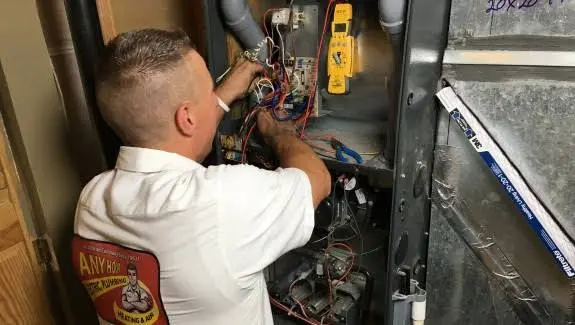

When a furnace quits during a cold snap, most homeowners face the same question: is this a quick fix or the start of a full shutdown? Responding to the right clues can protect the heat exchanger, prevent blower motor damage, and keep your home safe. This guide covers early warning signs, what they often mean inside the equipment, a few safe checks you can do, and when it is smarter to turn the system off and book a professional visit. The goal is simple: help you respond quickly and avoid a longer outage on the next cold night.
Early Warning Signs You Should Not Ignore
Short cycling, where the furnace starts and stops every few minutes, is one of the most telling symptoms. So is a burner that lights and then immediately shuts down, a blower that runs but pushes cool air, or a thermostat that never quite reaches the setpoint. Unusual sounds, like a high-pitched squeal from the inducer motor or a metal-on-metal rattle from loose panels, are also red flags. If these show up as the weather turns colder, scheduling furnace repair in Franklin before the next temperature drop can keep a manageable issue from becoming a full no-heat call.
Smells matter too. A brief dusty odor on the first heat cycle of the season can be normal as dust burns off the heat exchanger. Still, a persistent burning smell, a strong chemical odor, or any hint of rotten eggs suggests a condition that needs immediate attention. Finally, treat a chirping or alarm from a carbon monoxide detector as urgent. Venting problems at the flue or a cracked exchanger can allow combustion gases into indoor air, and that is never a wait-and-see situation.
What Those Symptoms Often Mean Inside the Furnace
Many shutdowns start with airflow and ignition. A clogged air filter raises static pressure, overheats the heat exchanger, and trips the high-limit switch, which stops the burners and can cause short cycling. A flame sensor coated in oxidation will not see the flame, prompting the control board to cut gas seconds after ignition. Hot surface igniters can crack and glow weakly, failing to light the burners. These issues are common in high-efficiency furnaces as the heating season progresses.
On condensing units, a blocked condensate drain or a full trap can prevent the pressure switch from closing, keeping the system in a pre-ignition state with the inducer fan running but no flame. Outside, a flue or intake pipe blocked by leaves or wind-blown debris can starve combustion air and cause lockouts. Inside, a weak blower capacitor may let the draft inducer start but keep the main blower from reaching speed, which also trips the limit switch. These internal relationships explain why small maintenance lapses often show up as puzzling on-and-off behavior.
Safe Checks You Can Do Before Calling
Start at the thermostat. Confirm it is set to Heat, that the fan is in Auto (not On) if the air is cold, and replace the batteries if the display is dim or blank. Next, check power: verify the furnace switch on or near the unit is on, confirm the breaker is not tripped, and make sure the front panel is fully latched so the door safety switch is depressed. Then inspect the air filter. If it looks gray and matted or the date is months old, replace it with the correct size and orientation arrow pointing toward the furnace.
Walk outside and check the PVC intake and exhaust terminations if you have a high-efficiency model. Clear away leaves and nests, and brush off any frost buildup. Inside, open return vents and avoid closing supply registers to push air to colder rooms. That strategy raises system pressure, which can overheat the heat exchanger and cause limit trips. One trade-off to consider is filtration level versus airflow. An ultra-high MERV filter captures more particles but can restrict air if the ductwork is marginal. If frequent limit trips occur after a filter upgrade, stepping down one MERV rating can improve stable operation.
When to Power Down and Call a Technician
Turn the furnace off at the switch and leave it off if you smell gas, your carbon monoxide alarm sounds, you see scorch marks near the burners, or the blower runs, but no heat ever arrives. Repeatedly cycling power or pressing reset buttons is a common mistake that can make matters worse by stressing the igniter and gas valve, and it can clear diagnostic codes a technician needs to see. Water around the base of a condensing furnace, especially near the condensate pump or trap, also calls for immediate shutdown because backed-up water can reach electrical components.
Consider two realistic scenarios. Late at night with temperatures dropping, the furnace lights, runs for ninety seconds, then shuts down, and the blower keeps pushing cool air. That pattern often points to a dirty filter or a limit switch reacting to poor airflow. Replace the filter and try a single restart; if the symptom repeats, power down and schedule service. In the morning, your thermostat is lit, you hear the inducer motor, but the burners never light. That often relates to the flame sensor, igniter, or pressure switch circuit. Those parts require testing with a meter and safe handling around gas, so leave the system off and call a professional.
How to Prevent the Next Mid-Season Breakdown
Plan a pre-season test run. On the first cool day, set the thermostat a few degrees higher and let the furnace complete a full cycle. Listen for new noises, sniff for lingering odors, and confirm warm air reaches the far rooms. Replace the filter at the start of the heating season and mark the date. Most homes do well with a 60- to 90-day cadence, but houses with pets or ongoing renovations may need monthly changes. Vacuum return grilles and keep at least a few feet of open space around the furnace for proper combustion air and easy service access.
Keep the condensate line clear on high-efficiency units. Make sure the drain tube has no kinks, the trap is seated, and the outlet isn’t submerged or blocked. Check outdoor intake and exhaust pipes a few times each winter after windy storms. Indoors, avoid blocking return air with furniture, and keep supply registers open to maintain design airflow. Finally, if past repairs identified marginal components like a weak blower capacitor or a pitted igniter, consider replacing them proactively during shoulder season rather than waiting for a frigid night.
A furnace rarely fails without sending a few clear signals first. Short cycling, repeated flame dropouts, or a blower that runs without heat each point to specific components such as the filter, flame sensor, pressure switch, or condensate drain. A handful of safe checks can restore heat when the issue is simple, and they can also help you communicate better with a technician when the issue is more complex. If the system shows safety-related symptoms, shut it down and get help. Quick, informed action protects your equipment and makes the next cold front far less stressful.
Also Read-
- Why Automotive Business need a China Car Parts Supplier?
- Pendeja Meaning in English: Definition, Usage, Cultural Context, and Real-Life Examples







Leave a Comment