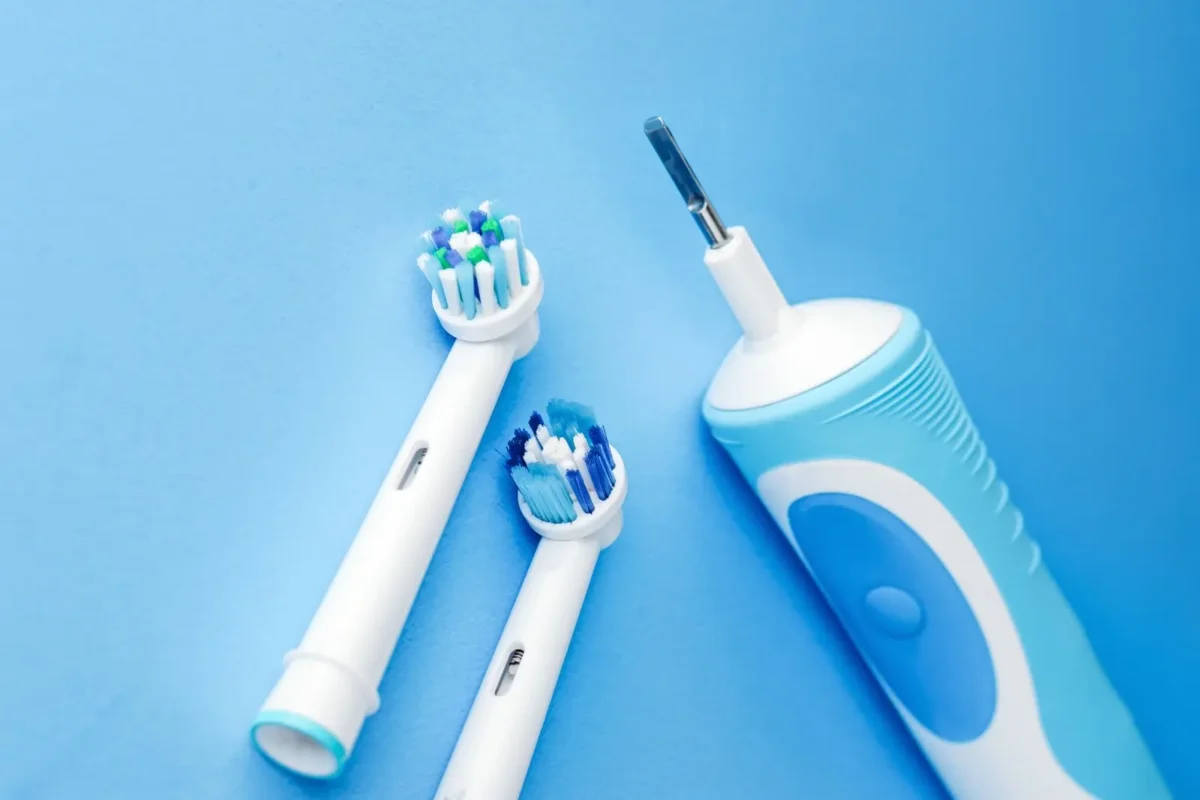

Choosing the right toothbrush for a child can be surprisingly challenging. Parents often wonder whether a children’s electric toothbrush offers meaningful benefits over a traditional manual toothbrush. SuperMouth makes it easy to find the perfect children’s electric toothbrush for your little one, visit https://supermouth.com/collections/kids-electric-toothbrushes. Both options can support good oral hygiene when used correctly, but electric toothbrushes may offer some advantages for certain children.
The most important factor is not simply whether a toothbrush is electric or manual. Consistent, thorough brushing with fluoride toothpaste and appropriate supervision matters most. A child’s age, coordination, preferences, and brushing habits can all influence which option works best.
How Do Children’s Electric Toothbrushes Work?
Children’s electric toothbrushes use powered movements to help clean the teeth. Depending on the model, the brush head may rotate, oscillate, or vibrate.
Many children’s models are designed with features that make brushing easier or more engaging. These can include:
- Small brush heads designed for children’s mouths
- Soft bristles
- Built-in brushing timers
- Easy-to-grip handles
- Simple controls
- Fun colors and child-friendly designs
These features can help make brushing a more structured part of a child’s daily routine.
How Does Manual Brushing Compare?
A manual toothbrush relies entirely on the child or parent to make the brushing movements. It is inexpensive, widely available, and doesn’t require batteries or charging.
For children who have developed good brushing skills, a manual toothbrush can be perfectly effective. However, younger children may have difficulty making consistent movements or reaching every surface of every tooth.
Parents often need to assist young children because having the coordination to hold a toothbrush doesn’t necessarily mean a child can brush thoroughly.
Are Electric Toothbrushes More Effective?
Electric toothbrushes can provide an advantage in plaque removal in some circumstances, particularly when children have difficulty using a manual toothbrush effectively. However, this doesn’t mean every child needs an electric toothbrush.
The effectiveness of either type depends on factors such as:
- Brushing technique: Teeth need to be cleaned systematically rather than simply moving the brush around the mouth.
- Brushing duration: Children who tend to rush may benefit from a timer.
- Consistency: Brushing regularly is essential regardless of the toothbrush used.
- Supervision: Younger children often need help from a parent or caregiver.
- Brush design: A child-sized brush head and soft bristles are important considerations.
Benefits of Children’s Electric Toothbrushes
There are several reasons parents may choose an electric toothbrush for their child.
1. Timers Can Encourage Longer Brushing
Some electric toothbrushes include built-in timers that encourage children to brush for the recommended amount of time. This can be particularly helpful for children who tend to finish brushing too quickly.
2. They Can Make Brushing More Fun
Bright colors, characters, sounds, and interactive features can make brushing feel less like a chore. When a child enjoys using their toothbrush, they may be more willing to maintain a regular routine.
3. They May Help Children with Limited Coordination
Young children are still developing fine motor skills. The powered movement of an electric toothbrush can assist with the cleaning process when a child struggles to perform consistent brushing motions manually.
4. They Can Provide Consistent Brush Movement
A powered toothbrush produces repeated movements without requiring the child to make every brushing motion themselves. This can be useful for children who find manual brushing difficult.
Benefits of Manual Toothbrushes
Manual toothbrushes also have several advantages.
- Simple to Use: There are no buttons, charging stations, batteries, or electronic components. A child can simply apply toothpaste and begin brushing.
- Affordable: Manual toothbrushes are generally inexpensive, making it easy to replace them when the bristles become worn.
- Easy to Travel With: A manual toothbrush is lightweight and doesn’t need to be charged, making it convenient for family trips and sleepovers.
- Helps Children Learn Brushing Skills: Learning to control a manual toothbrush can help children develop the coordination needed to brush independently.
Which Is Better for Younger Children?
For younger children, the focus should be on establishing good brushing habits rather than choosing the most technologically advanced toothbrush.
Parents should select a toothbrush appropriate for the child’s age, with a small head and soft bristles. Whether it is manual or electric, adults should supervise and assist with brushing as needed.
A child may enjoy using an electric toothbrush but still need a parent to guide the brush or finish areas that were missed.
Can Children Use Electric Toothbrushes Independently?
Independence develops gradually. Some older children may be able to use an electric toothbrush effectively on their own, while younger children usually require more assistance.
Parents can encourage independence by allowing the child to brush first and then checking or finishing the brushing themselves. As the child’s coordination and brushing skills improve, parental involvement can gradually decrease.
What Should Parents Look For?
If you decide to purchase a children’s electric toothbrush, consider the following features:
- Age-appropriate design: Follow the manufacturer’s recommended age range.
- Soft bristles: Gentle bristles can help avoid unnecessary irritation.
- Small brush head: It should comfortably fit in the child’s mouth.
- Comfortable handle: The child should be able to hold it securely.
- Timer: Useful for children who rush through brushing.
- Simple controls: Younger children may benefit from fewer settings.
- Replacement brush heads: Check how easily replacement heads are available.
Parents should also follow the manufacturer’s instructions for cleaning, charging, and replacing brush heads.
How Can Parents Encourage Better Brushing?
Regardless of the toothbrush type, parents can help children establish good habits by brushing at consistent times each day. Demonstrating proper brushing, supervising younger children, and making brushing part of a predictable morning and bedtime routine can all help.
Children should also use fluoride toothpaste in an amount appropriate for their age and follow guidance from their dentist or other qualified dental professional.
So, are children’s electric toothbrushes better than manual brushing? They can be beneficial, but they aren’t automatically better for every child.
An electric toothbrush may be especially useful for children who rush while brushing, have difficulty with manual brushing movements, or find traditional brushing uninteresting. A manual toothbrush can work just as well for a child who has developed effective brushing habits and uses proper technique.
Ultimately, the best toothbrush is one that is age-appropriate, comfortable, and used consistently and correctly. Parents should focus on helping children develop lifelong brushing habits rather than treating an electric toothbrush as a replacement for proper technique and supervision.
Also Read-Innovative Technologies in Metalworking Equipment







Leave a Comment