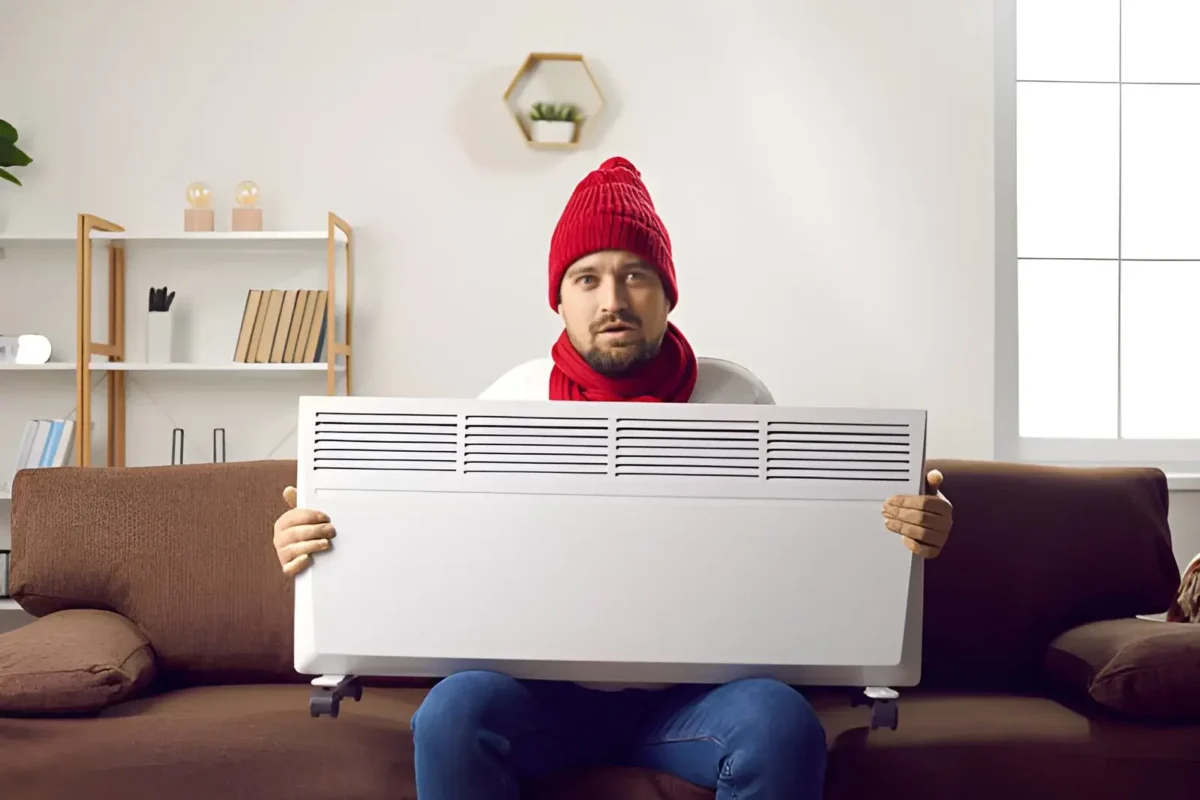

Winter has a way of arriving earlier than expected. One night you’re sleeping with the windows open, and the next you’re reaching for a heavy blanket because the house feels cold. That’s usually the moment people remember the heater hasn’t been touched since last February. Scheduling heater maintenance services before the first real cold snap is one of the simplest ways to avoid a mid-January breakdown, but a lot of homeowners aren’t sure what to look for between tune-ups.
The good news is that heaters rarely fail without warning. They tend to send signals for weeks or even months before they quit entirely. The trick is knowing which signals matter. Here are seven of the most common ones, and what they usually mean.
1. Your Energy Bills Are Creeping Up Without Explanation
If your heating bill keeps climbing but your usage habits haven’t changed, your heater may be working harder than it should. Dirty filters, clogged burners, and worn components all force the system to run longer to hit the same temperature. That extra runtime shows up on your utility bill, sometimes months before anything actually breaks.
A well-maintained heater can run noticeably more efficiently than a neglected one. If you’re comparing this year’s bills to last year’s and the numbers don’t add up, it’s worth having someone inspect the system before the cold weather locks in.
2. Strange Noises Coming From the Unit
Heaters aren’t silent, but there’s a difference between the low hum of normal operation and sounds that make you stop and listen. Banging, clanking, screeching, and rattling usually point to something loose, worn, or out of balance inside the unit.
A rattling sound might be as simple as a loose panel. A screech could mean a blower motor bearing is wearing out. Banging can indicate ignition problems in gas systems, which is not something to ignore. Noises tend to get worse, not better, and what starts as a minor repair can turn into a full component replacement if it’s left alone.
3. Uneven Heating From Room to Room
Walk from one room to another and notice a big temperature difference? You’re not imagining it. Uneven heating often means the system is struggling to distribute air properly. Common causes include a failing blower, ductwork leaks, a dirty filter restricting airflow, or a thermostat that isn’t reading temperatures accurately.
Some rooms being cold while others are warm isn’t just a comfort issue. It usually means the system is running longer to compensate, which adds wear and drives up costs. A technician can pinpoint whether the problem lives in the heater itself or somewhere in the ducts.
4. The Heater Runs in Short Bursts
Short cycling is the term for a heater that kicks on, runs for a minute or two, and shuts back down before the house warms up. It’s one of the most telling signs that something is off. Possible culprits include an oversized unit, a clogged filter, a faulty thermostat, or an overheating issue that’s tripping the limit switch.
Short cycling is rough on a system. Every start-up puts stress on the components, so a heater that cycles constantly can rack up years’ worth of wear in a single season. If you notice the system starting and stopping frequently, get it checked before winter puts it under a heavier load.
5. A Yellow or Flickering Pilot Light
If you have a gas heater, take a look at the pilot light or burner flame. A healthy flame burns blue. A yellow or orange flame suggests incomplete combustion, which can happen when the burner is dirty or the gas-to-air mixture is off.
This one deserves attention for reasons beyond efficiency. Incomplete combustion produces carbon monoxide, and while a properly functioning system vents it safely outside, a compromised system may not. If you ever smell gas or suspect a combustion problem, shut the unit down and call a professional right away. Even without an immediate safety concern, a yellow flame is a clear sign the burner needs cleaning and adjustment.
6. The Air Smells Dusty, Burnt, or Just Off
The first few times you run a heater after a long break, a faint dusty smell is normal. Dust settles on the heat exchanger and burns off. But if the smell persists, or if you notice a burnt or metallic odor, something deeper is going on. Persistent odors can point to overheating components, wiring issues, or a buildup that a filter change won’t fix.
Any smell resembling burning plastic or electrical components is worth treating as urgent. Overheated wiring is one of the leading causes of heating equipment fires, and it’s much cheaper to catch early.
7. The Unit Is More Than 10 to 15 Years Old
Even if your heater seems fine, age alone is a reason to book an inspection. Most furnaces and heating systems last somewhere in the range of 15 to 20 years, and the final stretch of that lifespan is when small problems multiply. Seals dry out, heat exchangers crack, and efficiency drops even when everything technically still works.
An older system that gets regular attention can often squeeze out several more good years. One that gets ignored tends to fail on the coldest night of the year, when every repair company in town is booked solid.
Why Fall Is the Best Time to Act
There’s a practical reason heating professionals push for pre-season maintenance. Once the first cold front arrives, demand spikes and appointment availability shrinks. Booking an inspection in early fall means flexible scheduling, faster service, and a better chance of catching small issues before they become emergencies.
A typical maintenance visit covers the things most homeowners can’t safely do themselves: checking the heat exchanger, testing ignition and safety controls, cleaning the burners, inspecting the flue, measuring airflow, and verifying that the thermostat communicates properly with the unit. It usually takes an hour or two, and it can meaningfully extend the life of the equipment.
A Few Things You Can Do Yourself
While the deeper work belongs to a professional, there are simple steps that help between visits. Check the filter monthly during heavy use and replace it when it looks dirty. Keep vents and return grilles clear of furniture and rugs. Listen to your system when it runs so you notice changes early. And test your carbon monoxide detectors, especially if you have a gas heater.
The Bottom Line
Your heater spends months sitting idle and then gets asked to run around the clock. That’s a demanding job, and the signs above are how the equipment tells you it needs help. Strange noises, rising bills, uneven warmth, short cycling, and odd smells are all early warnings, not background noise. Acting on them in the fall means a warmer, safer, and cheaper winter. Ignore them, and you’re betting the coldest months of the year on equipment nobody has looked at since last season. A little attention now goes a long way when the temperature drops.
Also Read
- why-you-need-a-police-report-after-a-car-accident/
- /steps-to-take-for-comprehensive-fire-damage-restoration/
- /benefits-of-choosing-wood-flooring-for-everyday-living/







Leave a Comment