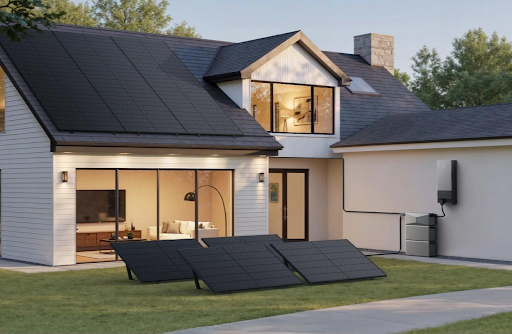

A solar generator can recharge during a long outage as long as its panels can collect enough sunlight to replace the energy you use. That is the key difference between a battery-only backup and a solar-charged system: the battery is not limited to one reserve. During a multi-day blackout, daily recovery depends on solar input, battery size, weather, and how carefully you manage essential loads. If your daytime production meets or exceeds your household’s critical energy demand, a solar generator can keep important appliances running far beyond the first day.
How Solar Recharging Works When the Grid Is Down
Solar Panels Restore Battery Energy During Daylight
When the grid is down, solar panels continue producing DC electricity whenever sunlight is available. That energy flows through the system’s charge controller or MPPT input and is used to recharge the battery, power active loads, or do both at the same time. In practical terms, midday sun often does the heaviest recovery work because panel output is strongest then. A well-sized system can replace overnight battery use during the day and rebuild reserve capacity for the next evening. Good panel placement, clean modules, and minimal shading all improve charging performance.
Stored Energy Covers Nighttime and Low-Sun Periods
Once sunlight drops, the battery becomes the main power source for connected essentials. It supplies energy overnight, during storms, and in the early morning before solar production ramps up again. This stored reserve bridges the gap between charging windows and keeps refrigeration, lighting, communications, and other priority devices operating. The goal during a long outage is not just to fill the battery once, but to repeat a daily cycle of discharge and recharge. If nighttime use stays reasonable, the battery can carry loads until the next solar charging period begins.
What Determines How Much Energy You Can Recover?
Available Sunlight and Weather Conditions
Sunlight is the first limit on how much energy a solar generator can recover during an outage. Clear days with long sun hours allow far more charging than overcast weather, heavy smoke, snow cover, or panels shaded by trees and nearby structures. Seasonal sun angle also affects output, especially in winter when daylight is shorter and the sun sits lower in the sky. Temperature can matter too: panels need sun to generate power, but very high heat can reduce efficiency somewhat. For outage planning, estimate charging based on realistic local weather, not ideal laboratory conditions.
Solar Array Size and Maximum Solar Input
Panel wattage and the generator’s maximum solar input largely determine how quickly the battery can recover. A larger array can harvest more energy across the day, especially during weaker morning and afternoon light. The charging electronics also matter because they set how much solar power the system can actually accept. For example, the Anker SOLIX E10 uses dual 30V-450V MPPT and delivers up to 9kW of solar per unit for daily savings and longer backup. With CT, E10 also works with your existing solar system, combining both for maximum solar input during extended outages.
Household Consumption While the Battery Recharges
Recovery is never just about how much solar comes in; it also depends on how much energy leaves the battery while charging is happening. If your refrigerator, well pump, internet equipment, lights, and cooking devices are all running at once, a large share of daytime solar production may go straight to those loads instead of rebuilding stored energy. That reduces how much reserve you carry into the evening. The most resilient setups match solar input to critical demand and limit discretionary use. Lower daytime consumption usually translates directly into faster battery recovery and stronger overnight backup.
Plan Solar Charging for a Multi-Day Outage
Prioritize Loads to Reduce Daily Energy Demand
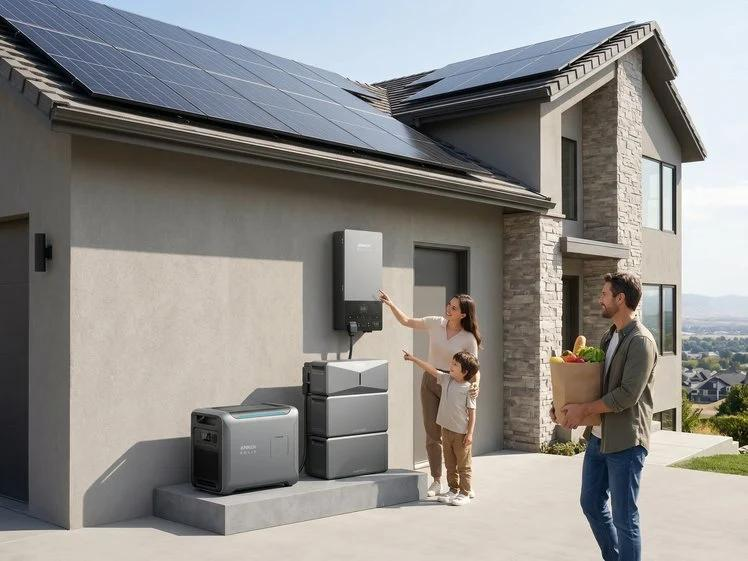
Start outage planning by separating essential loads from optional ones. Refrigeration, medical devices, phones, internet gear, a few lights, and possibly a small fan or sump pump usually belong on the priority list. Space heaters, electric ovens, clothes dryers, and other high-draw appliances can quickly overwhelm daily solar recovery. During a long blackout, every watt-hour saved during the day improves your odds of reaching a full or near-full battery by sunset. Use appliance labels or a monitor to estimate energy use, then create a simple load plan that protects comfort while preserving backup endurance.
Balance Battery Capacity With Daily Solar Production
Battery capacity and daily solar harvest should support each other. Choosing the best solar generator for home backup requires matching storage size with expected energy use and available solar input. A large battery helps you ride through the night and cloudy intervals, but it still needs enough daytime production to refill a meaningful portion of what you used. If the battery is oversized relative to the array, recharging can be slow after several low-sun days. If the array is strong but storage is too small, valuable midday solar may go unused once the battery fills. For multi-day outages, aim for a system that can cover essential overnight loads and recover most of that energy during the following daylight window.
Conclusion
A solar generator can recharge during a long outage, and that recharging ability is what makes it useful beyond the first day of a blackout. The practical result depends on four factors working together: sunlight, weather, solar input, and the amount of energy your home uses while the battery is recovering. Strong daylight and disciplined load management can let a well-matched system repeat a reliable daily charge-discharge cycle. If you plan around critical appliances, realistic local sun conditions, and adequate battery capacity, a solar generator can provide dependable backup power through a prolonged grid interruption.
Read more: https://grammerway.com/top-10-character-generator-and-animation-tools-for-creative-projects/
https://grammerway.com/a-practical-look-at-long-term-outdoor-readiness/
https://grammerway.com/how-to-turn-a-simple-idea-into-a-great-camp/

Leave a Comment