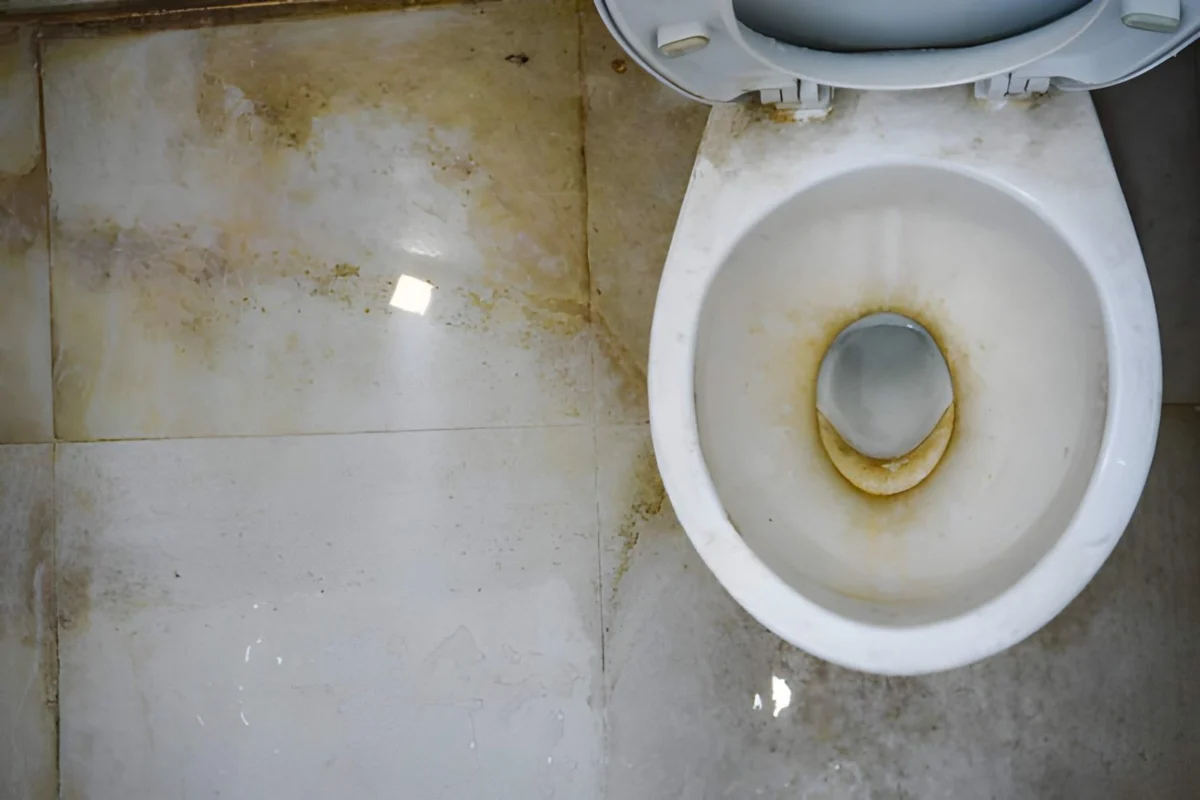

Hard water causes problems in millions of homes. It leaves white buildup on faucets. It creates cloudy spots on shower doors. It also stains toilets much faster than most people expect.
Many homeowners scrub their toilet every week but still see brown, orange, or white rings return within days. The problem is not always poor cleaning habits. In many cases, hard water is the real cause.
Products like krazy klean are designed to help reduce the mineral buildup that makes toilets look dirty even after they’ve been cleaned. Understanding why hard water creates stains is the first step toward keeping your toilet cleaner for longer.
What Is Hard Water?
Hard water contains high levels of dissolved minerals.
The two most common minerals are:
- Calcium
- Magnesium
Water picks up these minerals as it travels through underground rock formations before reaching your home.
The water is completely safe to drink in most cases. However, those minerals remain behind every time water evaporates.
That leftover mineral residue slowly builds up on every surface it touches.
Why Toilets Are Especially Vulnerable
Your toilet is exposed to water all day.
Unlike a sink or bathtub, there is always standing water inside the bowl.
Every flush introduces another batch of mineral-rich water.
Tiny amounts of calcium and magnesium stay behind after each flush.
Over time, those minerals:
- Stick to porcelain
- Form rough deposits
- Trap dirt
- Hold bacteria
- Create visible stains
The process happens slowly at first.
Then it speeds up.
Once minerals create a rough surface, future minerals attach even more easily.
The Different Types of Toilet Stains
Not every stain has the same cause.
Knowing the difference helps you choose the right cleaning approach.
White Chalky Deposits
These are usually calcium deposits.
They often appear:
- Around the waterline
- Under the rim
- Near the flush holes
The deposits feel rough when touched.
They become harder over time.
Brown Stains
Brown stains often come from mineral deposits mixed with dirt or sediment.
Homes with especially hard water usually notice these stains returning quickly after cleaning.
Orange or Rust-Colored Rings
These stains are commonly linked to iron in the water supply.
Even small amounts of iron can create noticeable discoloration.
The stains usually appear:
- Around the waterline
- Inside the bowl
- Near the bottom of the toilet
Why Scrubbing Alone Doesn’t Solve the Problem
Many people think they simply need to clean harder.
That usually isn’t true.
Scrubbing removes visible stains.
It does not remove the reason they keep returning.
Minerals continue entering the toilet every day.
As long as they keep attaching to the porcelain, new stains continue forming.
This explains why some toilets look dirty only a few days after a deep cleaning.
Mineral Buildup Creates More Than Cosmetic Problems
The stains are only part of the issue.
Heavy mineral deposits can also:
- Reduce water flow through rim jets
- Make flushing less effective
- Create rough surfaces that trap bacteria
- Increase cleaning time
- Cause unpleasant odors to linger
A smooth porcelain surface is much easier to keep clean.
A rough mineral-coated surface collects dirt much faster.
Areas Where Buildup Happens First
Most homeowners only notice the bowl.
Minerals actually collect throughout the toilet.
Watch these areas carefully.
Under the Rim
Water exits through small rim holes.
Minerals slowly clog these openings.
Reduced flow makes flushing less effective.
Around the Waterline
This is where evaporation happens constantly.
Minerals accumulate quickly here.
The familiar toilet ring usually begins in this area.
Inside the Trapway
Mineral buildup can also occur inside areas you cannot easily see.
Large deposits may eventually affect flushing performance.
Around Moving Parts
Minerals can accumulate inside the tank as well.
Over time they may affect:
- Fill valves
- Flappers
- Flush mechanisms
How Hard Water Makes Cleaning More Difficult
Mineral deposits create a rough texture.
That rough texture acts almost like sandpaper.
Dirt sticks more easily.
Bacteria attach more easily.
New minerals attach more easily.
This creates a frustrating cycle.
You clean the toilet.
Fresh minerals arrive.
New buildup forms.
The stains return.
The cycle repeats.
Signs Your Home Has Hard Water
Your toilet is only one clue.
Other signs often appear throughout the house.
You may notice:
- White spots on drinking glasses
- Soap that doesn’t lather well
- Dry skin after showers
- Mineral buildup on faucets
- Showerheads clogging over time
- Stiff laundry
- White residue inside kettles
- Dishwasher spots
If several of these problems happen together, hard water is probably the cause.
How Often Should You Clean a Toilet With Hard Water?
Frequency depends on your water quality.
Homes with moderate hard water often benefit from cleaning once each week.
Homes with very hard water may need more frequent attention.
Regular maintenance prevents thick deposits from forming.
Small deposits are much easier to remove than large ones.
Prevention Is Easier Than Removal
Removing years of mineral buildup takes work.
Preventing it takes much less effort.
Good habits include:
- Brushing the bowl regularly
- Wiping surfaces often
- Cleaning under the rim
- Monitoring the waterline
- Addressing stains while they’re still light
Consistency makes a noticeable difference.
Why Some Toilets Stay Cleaner Longer
People often assume newer toilets simply resist stains better.
Age is only one factor.
Other factors include:
- Local water hardness
- Toilet usage
- Water pressure
- Mineral concentration
- Cleaning habits
Two identical toilets can look completely different after one year if they’re supplied by different water sources.
The Importance of Keeping Porcelain Smooth
Smooth porcelain resists buildup better.
Minerals have fewer places to grab.
Dirt washes away more easily.
Routine cleaning becomes faster.
Once thick mineral deposits develop, the surface becomes increasingly rough.
That’s why preventing buildup early often saves significant cleaning time later.
Common Cleaning Mistakes
Many homeowners accidentally make the problem worse.
Here are several mistakes to avoid.
Waiting Too Long
Heavy mineral deposits become much harder to remove.
Address stains while they’re still small.
Ignoring Under the Rim
This hidden area collects minerals continuously.
Cleaning only the visible bowl leaves much of the buildup untouched.
Using Excessive Force
Aggressive scrubbing can damage some cleaning tools without solving the mineral problem.
Regular maintenance usually works better than occasional deep scrubbing.
Forgetting the Tank
Minerals inside the tank can affect toilet performance over time.
Occasional inspection helps catch buildup early.
Can Water Softeners Help?
Whole-home water softeners reduce calcium and magnesium before the water reaches your plumbing.
Many homeowners notice:
- Fewer toilet stains
- Less faucet buildup
- Cleaner shower doors
- Better soap performance
However, installing a water softener isn’t always practical.
Some homeowners rent.
Others don’t want the installation cost.
Others simply want a solution focused on keeping the toilet cleaner.
Building a Simple Maintenance Routine
You don’t need to spend hours cleaning.
A consistent routine works better than occasional deep cleaning sessions.
Try this schedule:
Once a week
- Brush the bowl.
- Wipe the seat.
- Clean around the waterline.
Every month
- Inspect under the rim.
- Check for new mineral deposits.
- Clean any visible buildup before it hardens.
Every few months
- Inspect the tank.
- Check moving parts.
- Look for mineral accumulation around valves.
Small maintenance sessions usually require much less effort than removing months of accumulated scale.
Final Thoughts
Hard water stains are frustrating because they return so quickly.
The good news is that the stains are usually a mineral problem, not a cleanliness problem.
Every flush leaves behind tiny amounts of calcium, magnesium, or other dissolved minerals. Those minerals gradually create rough deposits that trap dirt and discoloration. Once that cycle begins, ordinary scrubbing alone often isn’t enough to keep the bowl looking clean for long.
Understanding how hard water affects your toilet helps you make smarter maintenance decisions. Regular cleaning, early stain removal, and products designed to reduce mineral buildup can all help keep porcelain cleaner and reduce the amount of time you spend scrubbing. A consistent approach is usually the most effective way to maintain a cleaner-looking toilet, even in homes with very hard water.
Read more: Exploring Effective Hair Transplant Solutions in Brisbane
The Ultimate Guide to Personalised Gifts: Unique Ideas That Impress
Everything You Need to Know About Vasectomy in Melbourne: A Comprehensive Guide

Leave a Comment