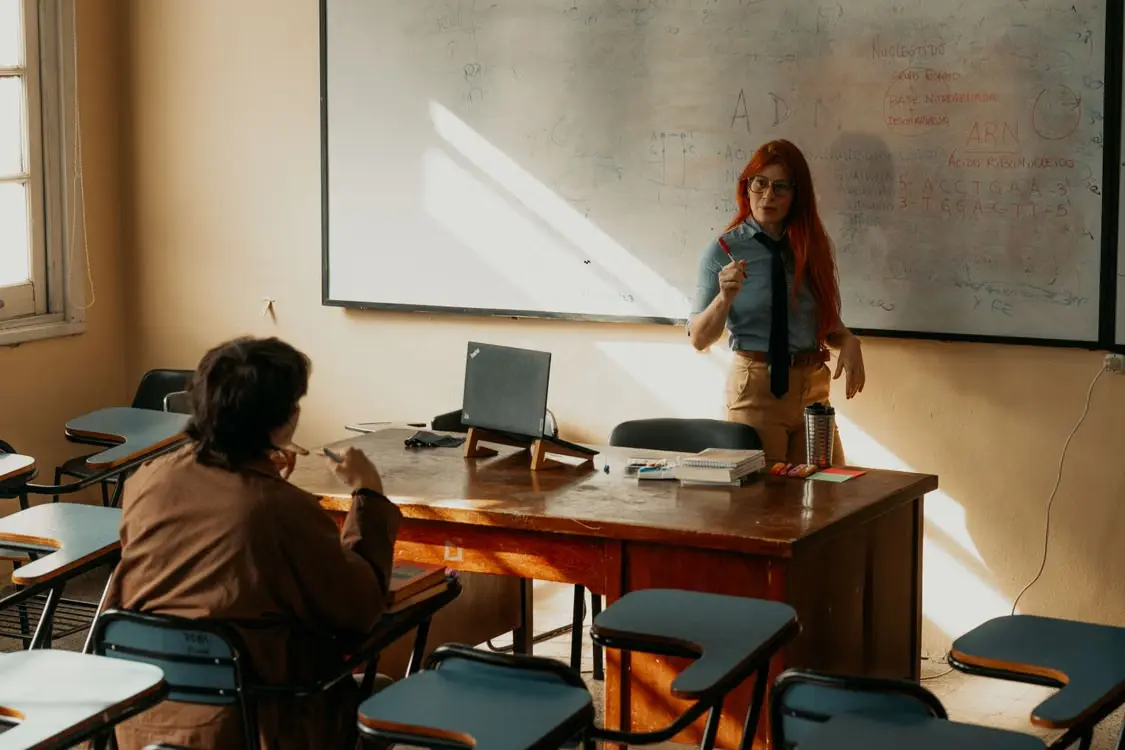

The classroom is changing. Fast.
Listening to lectures for hours and memorizing info for exams used to guarantee a good job after college. No longer true.
Today’s students want more. And employers want more too.
They want real skills. Real experience. Real results.
Which is why experiential learning is rapidly becoming the foundation of contemporary post-secondary education. Universities who fail to recognize this will be left in the dust.
Here’s why it matters:
Students who learn through experiential education graduate with job-ready skills.
Let’s jump in…
Here’s what’s inside:
- What Hands-On Learning Actually Looks Like
- Why Career-Focused Degrees Are Winning
- Why Employers Are Demanding Practical Experience
- Real Benefits For Today’s Students
- What To Look For In A Programme
What Hands-On Learning Actually Looks Like
Hands-on learning is exactly what it sounds like…
Students learn by doing. Not just reading. Not just watching.
Actually doing.
Rather than cramming theory in hope that it will stick, students work on actual projects, solve actual problems and gain actual experience long before graduation.
This can look like:
- Internships with local businesses
- Clinical rotations in hospitals
- Capstone projects tied to industry needs
- Simulations that mimic the real workplace
- Co-op programmes with paid work terms
The idea is simple. Get out of the lecture hall. Get into the field.
Why Career-Focused Degrees Are Winning
The old fashioned four year programmes were theory based. Completely theory. This is not true anymore.
Degrees designed around careers. Not the other way around. Classes and hands-on training that align with employment needs.
Programs such as Husson university majors often incorporate hands-on learning experiences into their curriculum from the very beginning. That is one of the many reasons career-oriented degrees are attractive to students who want to hit the ground running after graduation. Career-oriented degrees focus on training students to meet employers’ needs.
The demand is clear:
A new NACE poll revealed that 65% of employers hire college graduates based on skills. GPA is out the door. Skills you can prove you have are in.
That’s a huge shift.
Employers are interested in what students know how to do. They are less concerned about grades.
Why Employers Are Demanding Practical Experience
Let’s talk about what employers actually want…
The prestige/grades hiring model is outmoded. Employers are seeking grads who can perform immediately.
Why the change?
Training new employees from scratch can take months. Employers don’t have that kind of time. The workplace is becoming increasingly fast-paced.
Latest data from NACE indicates that over 40% of employers report new grads’ skills closely match hiring needs. The gap remains. Employers are seeking out graduates who narrow that gap with hands-on experience.
Here’s what employers are looking for:
- Communication skills built through group projects
- Problem-solving from real client work
- Professionalism gained through internships
- Teamwork developed in labs and studios
Degrees based purely on lectures seldom meet most of these criteria. That’s reflected in employment statistics.
Real Benefits For Today’s Students
So what does the student actually get out of hands-on learning?
A lot.
Let’s break it down…
Better Job Placement
Students who complete internships and co-ops land jobs faster. It’s that simple.
Why? Because guess what? They already have inside contacts. Many will receive job offers from the company they interned with before they even get their diploma. Now that’s a great leap over the new grad who is still drafting his first cover letter.
Higher Starting Salaries
Real experience translates to real dollars.
Graduates of experiential programs often make thousands more than their lecture-bound classmates in their first position. They are worth more to employers because they can produce from day one.
More Confidence
There’s something magical about walking into your first job and knowing what you’re doing.
Students that have experience working on real projects aren’t intimidated when challenged. They know they’ve been there before. This confidence reflects during reviews, promotions and moving up in your career.
Clear Career Direction
A hidden advantage? Hands-on learning allows students to discover what they truly want to do.
Some find their calling they never knew existed. Others learn a career they thought they wanted wasn’t for them. Either way, they walk across stage knowing where they want to go.
Pretty powerful, right?
What Makes A Great Hands-On Programme
Not every “hands-on” programme is equal.
Some universities tack one internship onto a four-year degree program and try to pass it off as experiential learning. That won’t cut it.
A strong hands-on programme includes:
- Industry partnerships that lead to real placements
- Faculty with actual work experience in the field
- Simulation labs or clinical spaces on campus
- Small class sizes so students get real feedback
- Career services that connect students with employers
The most effective programmes integrate internships throughout the duration of your course of study. Not just during the last semester.
How Colleges Are Adapting
Colleges are catching on to what students and employers want.
Degrees are being restructured wholesale to include hands-on components. Partnerships with local businesses are being formed. Facilities that replicate real-world work environments are popping up on campuses.
The schools that adapt will thrive. The ones that don’t…
Well, they’ll struggle to fill seats.
Today’s learners are consumers. They want to know how a degree leads to a job before they buy. Institutions that can’t articulate this are swiftly losing market share.
Another reason for the shift exists as well. Prices are rising and students are more conscious than ever about their return on investment. A degree with a clear path into a career is much more appealing than one that leaves students wondering.
Final Thoughts On The Shift
Hands-on learning isn’t a trend. It’s the future of higher education.
Applied degrees that offer both classroom theory and hands-on experience are graduating students who are employable on day one. Employers are thrilled. Students are thrilled. It’s a win-win.
If you’re weighing your options, look for a programme that offers:
- Real workplace experience during the degree
- Strong industry partnerships
- Faculty with practical expertise
- A track record of solid job placements
Choose the right programme. Your career for life depends on it. Invest in yourself.
Higher education is transforming right in front of everyone. Colleges that focus on experiential learning are developing tomorrow’s leaders. Everyone else is scrambling to catch up.
Also Read
- Innovative Technologies in Metalworking Equipment
- Life Fitness: Revolutionizing Wellness and Exercise Solutions





Leave a Comment