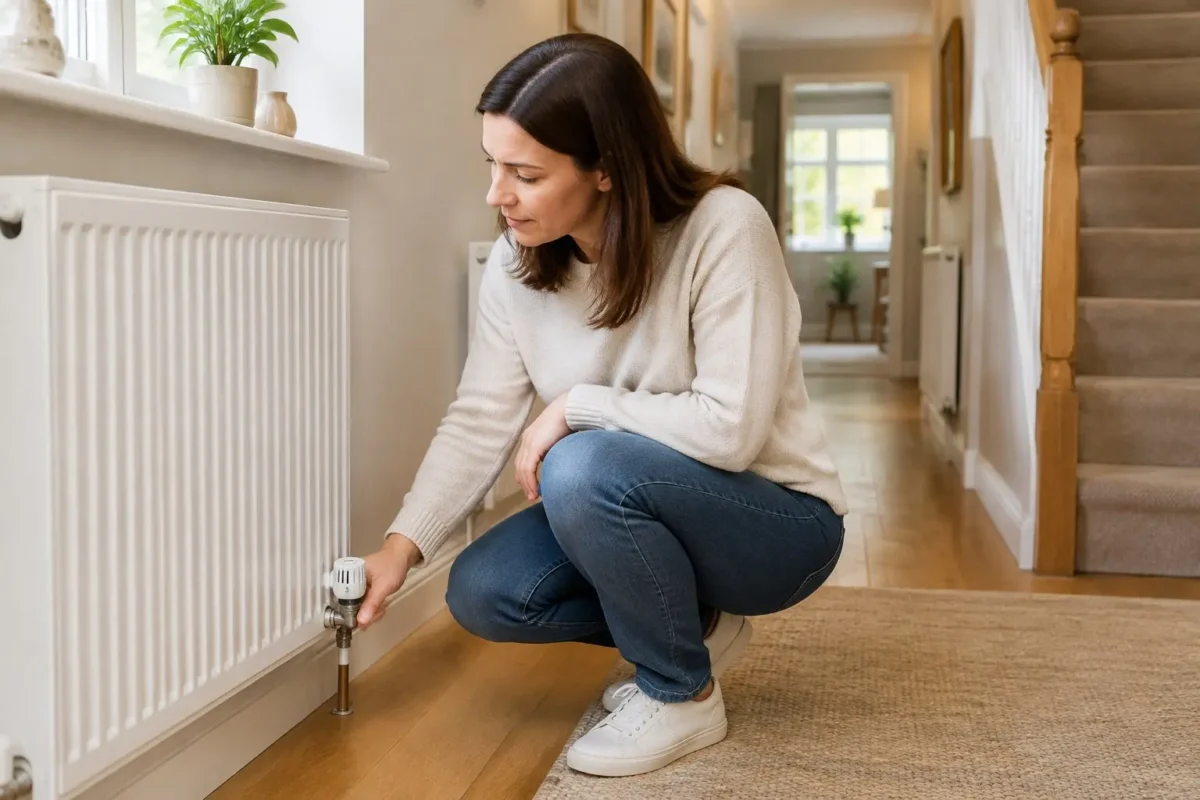

A common frustration for homeowners with hydronic heating systems is when the boiler seems to work perfectly for the downstairs rooms, but the upstairs baseboards remain stubbornly cold. This uneven heating can make living spaces uncomfortable and may even lead to concerns about energy efficiency and rising utility bills. Understanding why this happens is crucial for maintaining a comfortable home environment and ensuring your heating system operates as intended. Several factors can contribute to this issue, ranging from air trapped in the pipes to problems with water flow or system design. Addressing these causes can restore warmth to every room in your house.
What to Expect from This Guide
How Your Boiler System Circulates Heat
Boiler systems rely on a network of pipes to circulate hot water from the boiler to radiators or baseboards throughout the house. The process begins when the boiler heats water, which is then pushed through the pipes by a circulator pump. As the hot water travels, it releases heat into each room through the baseboards or radiators before returning to the boiler to be reheated. Ideally, this closed-loop system should deliver consistent warmth to every area of your home. However, the physical layout of your house, the placement of the boiler, and the design of the piping can all influence how effectively heat is distributed. In multi-story homes, gravity and water pressure play significant roles in determining whether hot water reaches the upper floors as efficiently as the lower ones. If the system is not properly balanced or if there are obstructions in the pipes, the upstairs baseboards may not receive enough hot water to warm up, leaving those rooms colder than the rest of the house.
Common Causes of Uneven Heating
One of the most frequent reasons for cold upstairs baseboards is trapped air within the heating system. Air can enter the pipes during maintenance, repairs, or even normal operation, and it tends to rise to the highest points in the system—often the upstairs radiators or baseboards. When air pockets form, they block the flow of hot water, preventing heat from reaching the upper floors. Another potential cause is an imbalance in the system’s water pressure. If the pressure is too low, the hot water may not have enough force to travel all the way upstairs. Additionally, issues with the circulator pump, such as wear and tear or improper sizing, can reduce the flow rate and contribute to uneven heating. Sometimes, the problem lies in the design or installation of the piping itself. If the pipes are not properly sloped or if there are too many sharp turns, it can impede water flow and cause certain areas to remain cold. Homeowners often notice that the downstairs heats up quickly while the upstairs lags behind, prompting them to seek more information about how to resolve this frustrating issue.
The Role of Zoning and Valves
Many modern hydronic heating systems are divided into zones, each controlled by its own thermostat and zone valve. Zoning allows for greater control over the temperature in different parts of the house, but it can also introduce complications if not set up correctly. If the upstairs and downstairs are on separate zones, a malfunctioning zone valve could prevent hot water from reaching the upstairs baseboards. Even if the valves are working, incorrect thermostat settings or wiring issues can cause one zone to receive more heat than the other. In some cases, the system may have manual balancing valves that need to be adjusted to ensure an even distribution of hot water. If these valves are not properly calibrated, the downstairs may receive the majority of the heat, leaving the upstairs cold. Regular maintenance and periodic checks of the zoning system can help identify and correct these issues before they lead to significant discomfort.
Importance of Regular Maintenance
Routine maintenance is essential for keeping your boiler system running smoothly and efficiently. Over time, sediment and mineral deposits can build up inside the pipes and baseboards, restricting the flow of hot water and reducing the system’s overall effectiveness. Flushing the system periodically helps remove these deposits and ensures that water can circulate freely to all areas of the house. Bleeding the radiators or baseboards to remove trapped air is another important maintenance task that can restore heat to cold rooms. Additionally, checking the pressure gauge on your boiler and topping up the system as needed can prevent low-pressure issues that might affect upstairs heating. Scheduling annual inspections with a qualified technician can help catch potential problems early and extend the lifespan of your heating system.
When to Call a Professional
If you have tried basic troubleshooting steps like bleeding the radiators and checking the pressure but still experience cold upstairs baseboards, it may be time to consult a professional. Persistent issues could indicate more complex problems such as a failing circulator pump, faulty zone valves, or improper system design. A professional can perform a thorough assessment of your heating system, identify the root cause of the problem, and recommend appropriate solutions. Addressing these issues promptly not only restores comfort to your home but also helps prevent further damage to your boiler and piping.
Quick Fixes for Immediate Comfort
Sometimes, simple adjustments can provide temporary relief while you arrange for a more permanent solution. Raising the thermostat setting slightly may encourage more hot water to circulate upstairs, though this can increase energy usage. Ensuring that furniture or curtains are not blocking the baseboards can also help maximize heat output. These quick fixes can make a noticeable difference in comfort while you work on resolving the underlying issue.
Conclusion
Uneven heating between floors is a common challenge for homeowners with boiler systems, but it is not an insurmountable one. By understanding how your system works and recognizing the potential causes of cold upstairs baseboards, you can take proactive steps to restore balanced warmth throughout your home. Regular maintenance, attention to zoning and valves, and timely professional assistance are all key to ensuring your boiler operates efficiently and keeps every room comfortable. Addressing these issues not only improves your daily comfort but also helps maintain the value and efficiency of your home’s heating system for years to come.
Also Read
- https://grammerway.com/is-chiropractic-care-effective-for-back-pain-what-to-know-before-your-first-visit/
https://grammerway.com/5-signs-its-time-to-build-a-custom-home-instead-of-buying/
https://grammerway.com/top-8-billing-platforms-for-orthotics-and-prosthetics-providers/







Leave a Comment