
A furnace that pushes air through the vents can make it seem like the heating system is doing its job, yet the house may still feel cold, uneven, or slow to warm up. That mismatch often confuses homeowners because strong airflow usually sounds like proof that the furnace is working. In reality, air movement and heat production are not the same thing. A furnace can circulate air while still struggling to generate enough warmth, transfer heat effectively, or deliver it evenly throughout the home. When that happens, the system may look active from the outside while comfort indoors continues to fall short of what the thermostat is calling for.
Where the heat gets lost
The Blower Can Work Even When Heat Production Falls Short
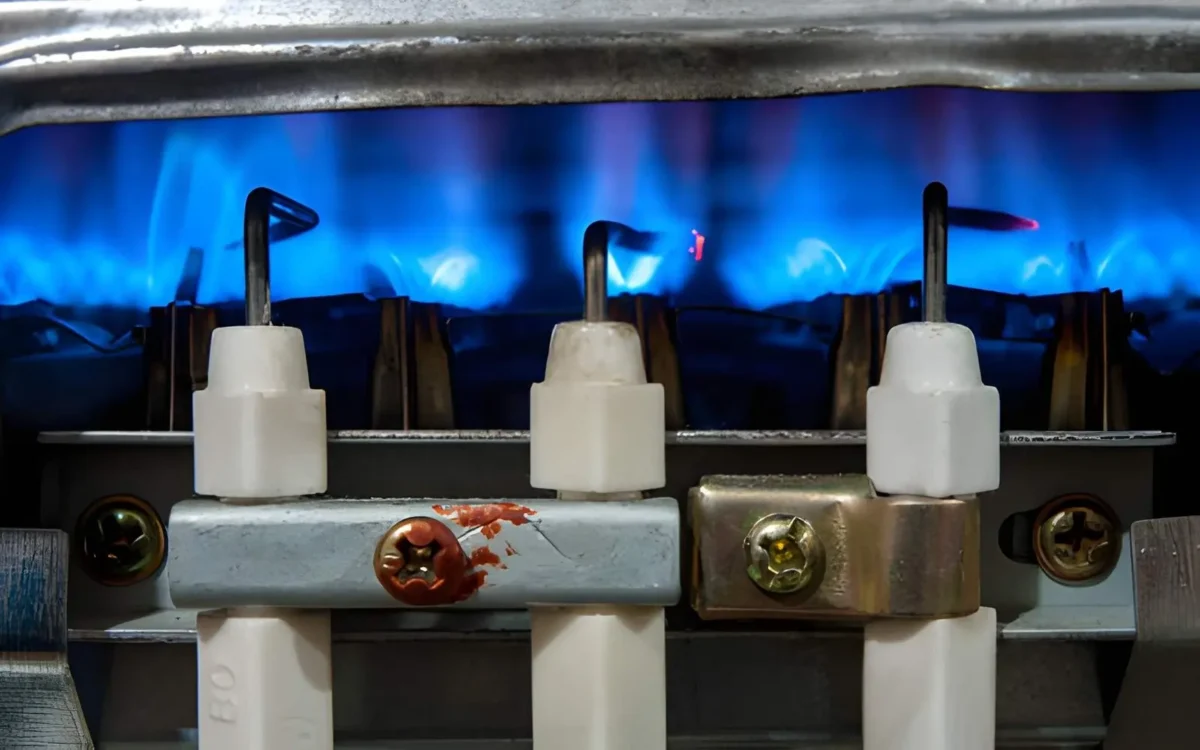
One of the most common reasons a furnace blows air normally but fails to heat properly is that the blower and the heating side of the system rely on different components. The blower motor can keep pushing air through the ducts even if the burners are not staying on long enough, the ignition process is failing intermittently, or the heat exchanger is not warming the air as expected. This means a homeowner may feel steady airflow at the vents and assume the furnace is operating normally, when the real issue is that the air passing through the system is not being heated enough before it enters the rooms. In some cases, the burners light briefly and shut off too soon due to flame sensor issues, limit switch problems, or a dirty burner assembly. In other cases, the heating cycle starts, but the temperature rise inside the furnace remains too low to create the warmth people expect at the registers. The system is still moving air, so it does not feel completely dead, but the component responsible for producing usable heat is no longer keeping pace with the airflow.
Short Heating Cycles Can Make the Air Feel Weak
A furnace can also blow air normally and still fail to heat the home if the heating cycle is being interrupted too early. When a furnace starts, the blower often comes on after the burners begin warming the system. If something causes the burners to shut off early, the blower may continue circulating air that quickly feels less warm than expected. From the homeowner’s point of view, the vents still seem active, but the house never becomes comfortable because the heat source is not staying engaged long enough to raise the indoor temperature properly. This can happen when the furnace overheats due to restricted airflow, when sensors fail to detect flame correctly, or when controls interrupt the cycle for safety reasons. Many calls for Furnace repair service begin when homeowners notice that the system sounds busy and the vents feel active, yet the air never seems warm enough to make a real difference in the rooms. The problem is not always a total failure to start. Often, it is a failure to sustain the heating process long enough for the blower to carry truly warmed air through the ductwork and into the living space.
Duct Losses and Heat Escape Can Undermine Good Airflow
Sometimes the furnace produces heat, but the warmth is weakened before it reaches the rooms where people expect to feel it. Duct leaks, poor duct insulation, and long runs through attics, crawlspaces, or basements can all cause heated air to cool as it travels. As a result, the airflow at the register may still feel steady and normal in volume, but not warm enough to satisfy the thermostat or keep the room comfortable. This is especially common in homes where part of the duct system runs through cold spaces that were never properly sealed or insulated. The furnace may be doing more work than the homeowner realizes, but that effort is being wasted before the heat reaches the living area. The house itself can worsen the problem as well. Drafty windows, attic air leaks, poor wall insulation, and unsealed doors can allow heat to leave the home faster than the furnace can replace it. In that situation, the air may be warm when it leaves the furnace, yet the overall indoor environment still feels underheated because too much of that warmth is being lost in transit or escaping from the house too quickly.
Why Airflow Alone Does Not Mean Good Heating
A furnace can blow air normally and still fail to heat properly because airflow only tells part of the story. The system may have burner problems, short cycling, duct heat loss, uneven distribution, or gradual internal wear that reduces the amount of heat reaching the home. From the outside, the vents still feel active, which makes the issue easy to misunderstand. But comfort depends on more than air moving through ducts. It depends on how much heat is created, how long that heat stays available, and how effectively it reaches the rooms. When any of those steps fall short, the furnace can sound normal while the house still feels colder than it should.
Also Read-Innovative Technologies in Metalworking Equipment







Leave a Comment