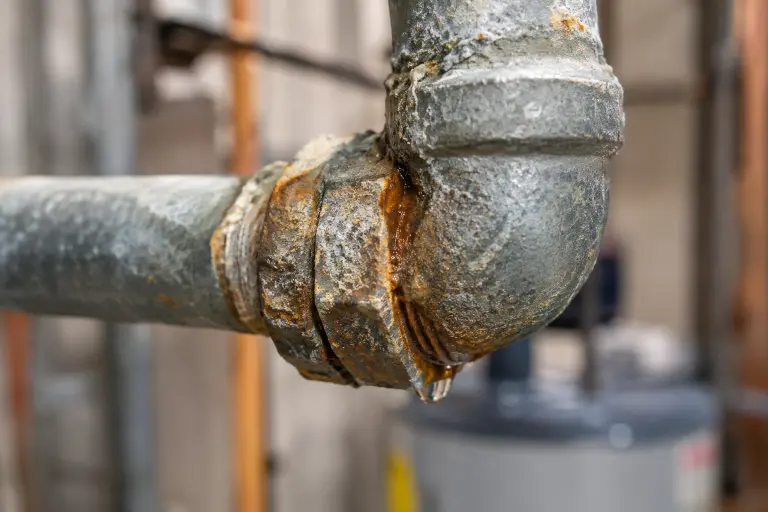

Ogden has a wide range of older homes, from historic properties near downtown to mid-century houses throughout Weber County. Many have plumbing that has been repaired in stages over several decades. Understanding when a repair is enough and when to consider whole home repiping in Ogden Utah can help homeowners protect their property, plan their budget, and avoid waiting for a small leak to become a major water-damage event.
Pipe age matters, but it is not the only factor. The material, repair history, water flow, visible corrosion, and number of recurring issues all provide a clearer picture of the system’s condition. In an older Ogden home, it is also common to find multiple pipe materials because previous owners may have replaced only accessible sections.
Key Takeaways
- An older home does not automatically need all-new plumbing.
- Repeated leaks, low flow, corrosion, and persistent discoloration can indicate larger pipe issues.
- Galvanized steel, copper, polybutylene, and PEX have different strengths and potential failure patterns.
- A thorough inspection helps separate an isolated repair from a broader replacement decision.
- Possible lead-related concerns require water testing, not guesses based on taste, smell, or appearance.
Why Older Plumbing Deserves a Closer Look
Most supply pipes are hidden behind walls, under floors, above ceilings, and inside cabinets. That means deterioration can progress quietly for years before it becomes obvious. Mineral deposits, internal corrosion, water chemistry, freezing conditions, and normal wear can all affect how well pipes carry water.
In Northern Utah, a house may show its plumbing age through small changes rather than one dramatic failure. A shower that has gradually lost pressure, a kitchen faucet that occasionally runs rusty, or a recurring patch of moisture in a cabinet can all deserve attention. The goal is not to assume the worst. It is to identify the cause before the next repair becomes more expensive.
Seven Signs Your Pipes May Be Near the End of Their Service Life
- Repeated leaks in different areas: One failed fitting can be isolated. Leaks appearing in separate rooms may indicate broader deterioration.
- Low water pressure throughout the home: Interior corrosion or mineral scale can restrict flow in older metal pipes.
- Brown, yellow, or rust-colored water: Temporary discoloration can have several causes, but persistent or recurring changes should be investigated.
- Metallic-tasting water: Taste alone cannot identify a contaminant or a pipe problem; testing is the appropriate next step.
- Visible corrosion: Rust, green staining, flaking metal, and damaged fittings near accessible pipes deserve a professional review.
- Banging or rattling pipes: Pipe noise can result from movement, water pressure changes, or loose supports, and it should not be ignored if it is new or worsening.
- Water damage: Ceiling stains, swollen cabinets, damp drywall, or peeling finishes can reveal leaks that are not directly visible.
Know What Type of Pipes Your Home Has
Pipe identification is an important starting point. The material can affect expected maintenance needs, replacement options, and the meaning of visible symptoms. A homeowner plumbing guide explains that pipe size and material can affect water quality and pressure, particularly where older galvanized lines have corroded internally.
| Pipe Material | Common Consideration in Older Homes | What to Watch For |
| Galvanized steel | Often found in older construction | Rust, restricted flow, leaks |
| Copper | Long-used residential material | Corrosion, pinhole leaks, aging fittings |
| Polybutylene | Gray plastic supply piping in some late twentieth-century homes | Condition of pipe and connections |
| PEX | Common modern replacement option | Proper installation and code approval |
Lead is a separate concern. It cannot be confirmed by looking at water or judging its taste. The EPA explains that testing is the only sure way to determine whether lead is present in drinking water. Homeowners with older plumbing, uncertain service-line materials, or concerns about fixtures and solder should contact their water provider or a certified laboratory for guidance.
Repair or Replace? A Simple Decision Guide
A Repair May Be Enough When
- There is one isolated leak with an identifiable cause.
- Nearby piping is in good condition and easily accessible.
- Water pressure is normal at other fixtures.
- The home has no pattern of corrosion, staining, or repeat failures.
Replacement May Be Worth Discussing When
- Leaks continue to appear in different rooms or on different pipe runs.
- Weak pressure affects multiple fixtures despite clean aerators and open valves.
- Accessible lines show widespread rust, scaling, or corrosion.
- The system contains pipe materials with a known history of problems.
- Repeated repairs are addressing symptoms without resolving the underlying condition.
How a Plumbing Inspection Should Work
A useful inspection begins with the home’s age, renovation history, leak history, and water concerns. Accessible pipes around the water heater, crawl space, basement, utility room, and under sinks can be checked for corrosion, damaged valves, and active moisture. Pressure may be assessed at more than one fixture, and past water-damage areas should be reviewed.
The inspection should end with plain-language options. A homeowner should understand whether the recommended work addresses a single failed section, a group of aging lines, indoor supply piping, or the service line connecting the house to the water main.
Questions to Ask Before Replacing Plumbing
- Which pipe sections are included, and which will remain?
- What pipe material is recommended for this Ogden home, and why?
- Will permits and required inspections be handled as part of the project?
- How long will water service be interrupted?
- How will walls, ceilings, cabinets, and flooring be protected?
- Will the system be flushed and tested before normal use resumes?
- What labor and material warranties apply?
Planning for the Work and Avoiding Common Mistakes
Before a larger pipe project begins, move valuables from likely access areas, protect furniture and stored belongings, and plan for periods without running water. Keep copies of permits, inspection records, product information, and warranties for future maintenance or resale discussions. Schedule cosmetic wall or ceiling repairs after plumbing work is complete.
Do not assume clean-looking water proves pipes are healthy, or that every low-pressure problem requires repiping. A closed valve, a clogged fixture screen, a pressure regulator issue, or a utility-side concern can also affect flow. At the same time, waiting for a pipe to burst can turn a manageable decision into an emergency.
When to Seek Immediate Help
Act quickly when a pipe is actively spraying water, a ceiling is sagging after a leak, water is near electrical equipment, the main shutoff valve will not work, or there is sewage contamination or a strong sewage odor. Shut off water when it is safe to do so, keep people away from affected electrical areas, and arrange prompt professional assistance.
Conclusion
Older plumbing in Ogden does not always need complete replacement. However, recurring leaks, persistent low pressure, visible corrosion, and unexplained water changes should not be treated as normal. By identifying the pipe material, documenting the pattern of problems, considering local water conditions, and requesting a thorough inspection, homeowners can make a practical decision about whether to pursue a targeted repair or a longer-term plumbing upgrade.
Also Read
- Lucky Mate Casino AU: AU$1,000 Bonus & 150 Free Spins
- What Makes an Australian Casino Payout Fast
- GetKine.com: Why Sublingual Cannabinoid Absorption May Matter



Leave a Comment