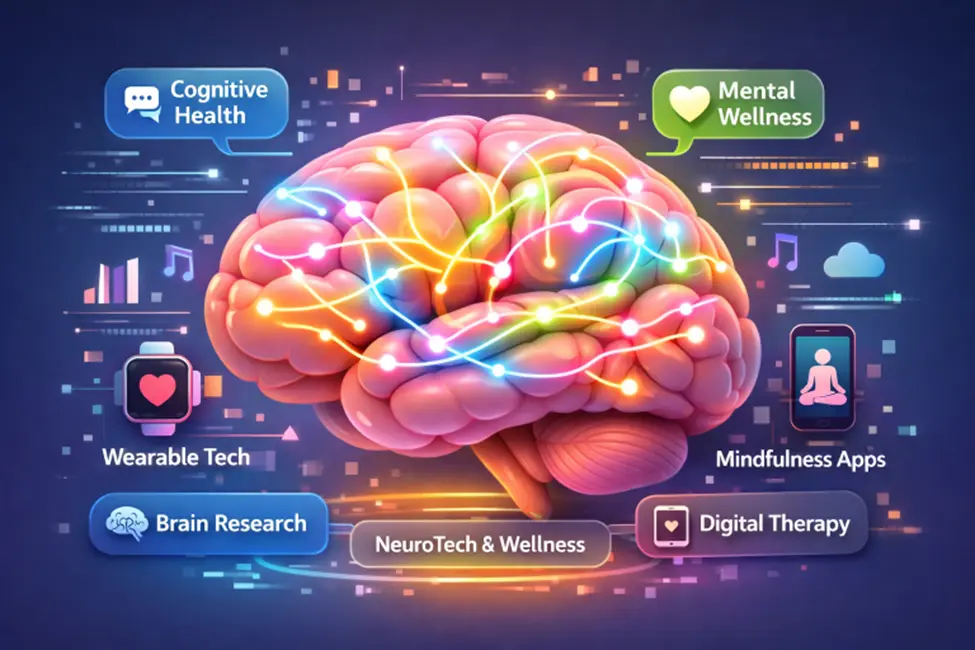

Breakthroughs in neuroscience are transforming how we approach mental health, unlocking new pathways to understanding and treating complex conditions. By delving into the brain’s structure and function, scientists have developed approaches that go far beyond traditional methods of care. These innovations are opening doors for people worldwide, whether they are seeking conventional therapy or considering options like traveling for TMS therapy in Utah.
With mental health concerns on the rise globally, the intersection of neuroscience and therapy is becoming increasingly relevant. Neuroscience brings clarity to previously misunderstood or misdiagnosed conditions by examining brain networks, neurotransmitter systems, and the impact of genetics. This progress is positioning mental wellness care for significant improvement.
Many barriers previously faced by individuals in seeking quality care are being gradually dismantled as ongoing research and awareness campaigns shine a light on the science behind mental illness. Increasingly, people are exploring advanced interventions sooner, knowing they are grounded in a solid understanding of brain function. This has led to a culture shift promoting proactive support and preventive care rather than only crisis management.
The Intersection of Neuroscience and Mental Health
Neuroscience investigates how the nervous system affects emotions, cognition, and behavior, offering critical insights into mental health disorders. Through advanced imaging and biochemical analysis, researchers now recognize biomarkers and neural circuit disruptions linked to depression, anxiety, and other common conditions. These discoveries enable mental health professionals to develop more accurate, effective, and comprehensive treatment plans that address specific neurological abnormalities instead of only managing symptoms.
The collaboration between psychiatrists, neurologists, and psychologists is essential here. Understanding the neural basis of mood and behavior helps refine diagnoses and explain symptoms previously deemed inexplicable. This knowledge paves the way for both preventative care and advanced intervention for mental wellness challenges.
Modern neuroscience has also fostered the development of interdisciplinary teams, integrating expertise from diverse specialties. Collaborative research has expedited the pace at which findings in the lab translate into new clinical practices, shortening the gap between discovery and real-world application. As a result, more clinicians are now trained to recognize and apply these advances for the benefit of their patients.
Personalized Therapies: A New Era
Modern neuroscience is ushering in a new era of personalized medicine. Today, clinicians use genetic mapping and brain imaging to refine their understanding of each patient’s needs. Genetic testing provides clues about neurotransmitter imbalances or metabolic differences that may require custom treatment protocols. Neural data from scans further narrow down the most effective therapies, reducing trial and error in mental health care.
For example, medications or interventions can be adjusted based on a patient’s metabolic profile, lessening side effects and boosting the likelihood of improvement. Personalized approaches bolster patient confidence and engagement, delivering hope for those who have not responded well to standard treatments.
Furthermore, these tailored therapies have created space for conversations around individual preferences and life circumstances in the planning and monitoring of care. By involving patients as active partners in their treatment journey, clinicians can more effectively measure progress, build trust, and modify strategies in response to changes and feedback over time.
Technological Innovations in Mental Health Care
Technology is propelling mental health care forward at a rapid pace. Functional MRI, PET scans, and EEGs allow for real-time mapping of brain regions involved in mood and cognition. These advances have made diagnosis more objective, improving early detection and customizing care strategies. Outside the clinic, digital therapeutics and smartphone applications can deliver guided therapy, mindfulness exercises, or cognitive behavioral tools to users in remote or underserved areas. These digital solutions lower barriers to accessing care, especially for populations that previously had limited options.
For patients seeking the latest noninvasive brain interventions, transcranial magnetic stimulation (TMS) represents a breakthrough. TMS uses targeted magnetic pulses to adjust neural activity, providing relief for certain mood disorders when traditional treatments have not delivered results. The American Psychiatric Association offers resources about emerging technologies for mental wellness (APA Blog).
Virtual reality and artificial intelligence are also gaining traction, helping clinicians create immersive therapeutic scenarios and generate real-time feedback for patients. As wearables and home monitoring become more common, patients and providers are equipped with valuable, continuous data that can drive better-informed decisions and allow for earlier interventions.
Understanding Neuroplasticity
Central to many new therapeutic approaches is the idea of neuroplasticity. The brain’s laborious but remarkable capacity to form new pathways, adapt to new experiences, and recover from injury or prolonged stress. Therapeutic practices that encourage neuroplasticity, including cognitive behavioral therapy, physical activities, and meditative techniques, can create lasting improvements in emotional resilience and cognitive function. Research now shows that with the right engagement, even those living with chronic mental health conditions can see meaningful changes in their brain structure and function.
This hopeful perspective is built upon decades of research and is shifting public perception of mental health. Interventions rooted in neuroplasticity prove that it is possible for patients to regain stability and achieve healthier outcomes, regardless of age or diagnosis. To read about some of the scientific foundations behind neuroplasticity and mental health, visit the Neuropsychopharmacology journal.
The recognition of neuroplasticity’s role is especially vital in rehabilitation from trauma or life transitions. Programs emphasizing consistent practice, supportive social networks, and positive feedback have been shown to catalyze changes once thought unattainable, giving new optimism to both clinicians and individuals pursuing mental wellness.
Future Directions in Neuroscience and Mental Wellness
The landscape of mental health care continues to evolve. Techniques such as transcranial magnetic stimulation and neurofeedback are under ongoing investigation to optimize their impact. Artificial intelligence and machine learning are also entering the field, giving providers the ability to analyze vast amounts of patient data to predict responses to specific interventions, identify at-risk individuals early, and design entirely individualized care plans.
Research into the gut-brain axis, novel pharmacologic agents, and advanced neuroimaging techniques is expanding what is possible for mental wellness. As scientists uncover more about how thought patterns, life experience, and biology interact, the prospect of holistic, long-lasting wellness outcomes becomes increasingly realistic.
The coming years are expected to see a surge in cross-disciplinary research, policy changes, and educational initiatives designed to destigmatize mental illness and integrate neuroscience advances into mainstream health systems. As innovation accelerates, society will benefit from better mental health infrastructure and improved well-being at both the individual and community levels.
Conclusion
The fusion of neuroscience and mental health is revolutionizing not just the understanding of the brain but entire avenues for healing and personal growth. Fueled by new insights and technological breakthroughs, mental health care is more precise, actionable, and accessible than ever before. As research pushes forward and awareness grows, individuals everywhere benefit from deeper hope and more tailored support on their journey to well-being.
With ongoing discoveries and greater collaboration, the future offers extraordinary promise for advancing mental wellness, reducing stigma, and empowering individuals to lead healthier, more fulfilled lives. The continued application of neuroscience in practical settings heralds a new age of compassionate, scientifically grounded mental health care for people of all backgrounds.
Also Read
- Innovative Technologies in Metalworking Equipment
- The Professional Caregiving Solutions are Designed to Improve Quality of Life
- The Hidden Costs of Break-Fix IT: Why Allentown Businesses Are Switching to Managed Services




Leave a Comment